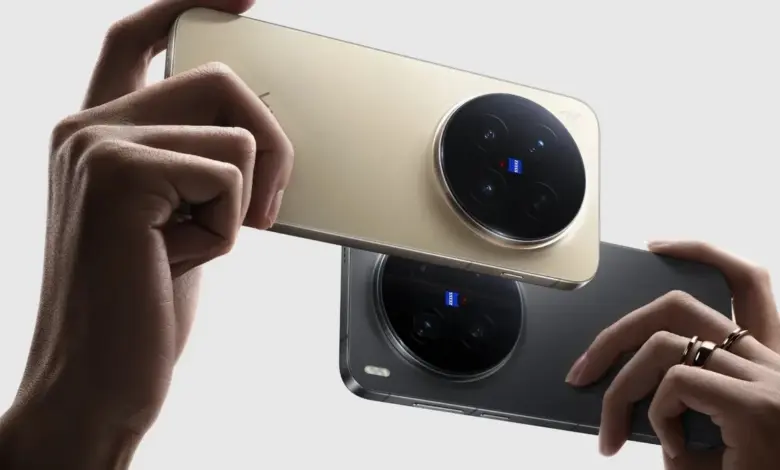
Sony has introduced the LYTIA L910, the first smartphone camera sensor to use LOFIC technology. The move puts a new focus on how mobile cameras handle bright highlights, shadow detail, and low-light noise.
The sensor is built around a 50MP design, but Sony is positioning its real advantage elsewhere. By combining LOFIC with a dedicated processing system, the company aims to reduce blown-out highlights while preserving more detail in difficult lighting.
What LOFIC is designed to do
LOFIC stands for Lateral Overflow Integration Capacitor. In simple terms, it helps absorb excess electrical charge from pixels when the incoming light is too strong.
That matters because camera sensors can struggle when light levels rise sharply. If too much charge builds up, bright areas lose detail and images can appear overexposed, which is exactly the problem LOFIC is meant to address.
The LYTIA L910 uses a 1/1.28-inch sensor with 1.22 μm pixels. That size is smaller than a 1-inch sensor such as the IMX989, but Sony is treating LOFIC as the feature that can help close the gap in demanding scenes.
HDR and low-light performance take center stage
Sony pairs LOFIC with Triple Conversion Gain HDR on the LYTIA L910. The system reads three gain conversion points separately within a single exposure.
The goal is to minimize noise, reduce highlight clipping, and limit flicker and other artifacts during low-light video capture. Sony also says the sensor’s noise is 30% lower than that of the LYTIA 828.
For future phones using the sensor, Sony says the LYTIA L910 can record 4K HDR video at 60 FPS. The company adds that performance remains efficient without placing excessive strain on battery life.
Early candidates are expected from Android brands
The first phones expected to use the LYTIA L910 are not likely to come from Apple or Samsung. Rumors point to the Vivo X500 series and the OPPO Find X10 series as early adopters.
Both lineups are expected to arrive this year and could serve as the first real test for Sony’s new sensor. If they launch with the LYTIA L910, they will show whether the technology’s promises hold up in daily use.
That early Android rollout would also fit the premium camera market’s current pattern. Xiaomi, OPPO, Vivo, and several other brands have long relied on Sony sensors for their flagship phones.
Why the sensor matters for mobile photography
Sony says the LYTIA L910 offers up to 100 dB of dynamic range from a single exposure. That figure is important because smartphone cameras often struggle in scenes with extreme contrast, such as sunset skies, city lights, or night views packed with light sources.
With LOFIC, the sensor is expected to better control overexposure in highlights and underexposure in shadows. Dark areas should retain more detail, while transitions between bright and dim zones may look more natural.
For users who often shoot at night, that could make a visible difference. Mobile photography has long been limited by dynamic range, especially when a small sensor has to handle many light levels at once.
What about iPhone?
The sensor is also expected to reach iPhone models eventually, since Apple uses Sony silicon for its flagship cameras. However, the timing remains unclear and no launch schedule has been confirmed.
That means the first wave of LOFIC technology is likely to appear on Android phones first. If implementation proves successful, the LYTIA L910 could help set a new standard for premium smartphone cameras and push wider adoption in the future.