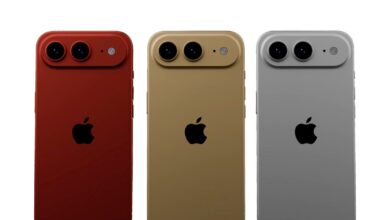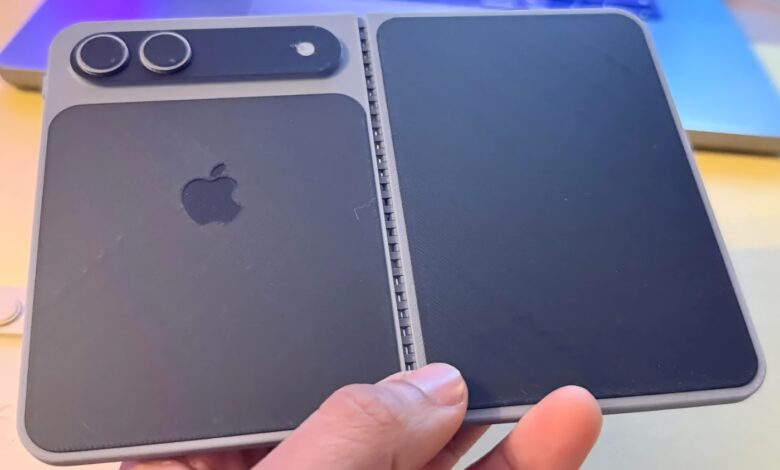
The iPhone Fold is emerging as one of the most expensive products Apple has ever considered, with rumored pricing in the range of USD 2,000 to USD 2,600. For the highest-capacity version, that would translate to roughly Rp 35 million to Rp 50 million before taxes.
That price talk is being sharpened by a broader warning that Apple’s next iPhone generation could become even more expensive. The pressure comes from rising memory costs, driven by strong demand from AI systems and large server deployments.
A premium device entering a costly market
Reports suggest the iPhone Fold could arrive at the end of this year. It is described as a foldable phone that opens like a book, revealing a tablet-style display inside.
If Apple does launch such a device, the combination of a new form factor and rising component costs could push it into an even higher tier than existing iPhone models. At the rumored price range, it would sit firmly in Apple’s ultra-premium segment.
Why component costs are climbing
The memory market is facing unusual pressure because RAM has become essential to the expansion of AI and server infrastructure. Production capacity has increasingly shifted toward memory products tied to those sectors.
According to Mirror, that shift has reduced the supply available for consumer electronics, including laptops, tablets, and smartphones. The result is tighter availability at a time when demand remains strong.
When supply tightens and demand stays high, prices for components tend to move upward. That creates direct pressure on the final retail price of devices built with those parts.
The problem is not limited to memory alone. The ongoing war in Iran is also said to be disrupting helium supply, and helium is important in semiconductor manufacturing.
Any disruption to a material used in chip production adds another layer of difficulty for electronics makers. In practical terms, it can increase manufacturing costs and complicate the supply chain further.
Apple is already signaling strain
Apple has acknowledged that the situation is difficult to avoid. Tim Cook said the company is trying to limit the large price increases being passed on to Apple and protect customers, but the environment has become unsustainable.
Cook also said supply is declining while consumers still want devices, and memory producers are raising prices significantly. In his view, Apple needs memory prices and supply to return to levels that are reasonable for consumer products.
Why the iPhone Fold stands out
That context matters because foldable phones typically cost more to build than standard models. If component prices are also rising, a product like the iPhone Fold becomes even more likely to land at the top end of the market.
The rumored USD 2,000 to USD 2,600 range would place it among the most exclusive phones available. In Indonesia, that is described as roughly Rp 35 million to Rp 50 million for the highest-capacity model, before import taxes are added.
That means the final local price could exceed the rough conversion, since tax and import costs would come on top. For buyers, the gap between the rumored global price and the retail price in Indonesia could be significant.
Still a rumor, but the pressure is real
For now, the iPhone Fold remains unconfirmed. Even so, the industry backdrop makes the pricing discussion credible, especially as Apple is already warning about memory-related cost pressure.
Apple has not officially announced a foldable device. But with component costs rising and supply conditions under strain, the possibility of an exceptionally expensive first-generation foldable iPhone is easy to understand.
The market is now watching two things at once: whether the iPhone Fold appears by the end of this year, and how far memory shortages and supply disruptions could push the final price. If current pressures persist, Apple’s foldable could become a symbol of how expensive premium devices can get in the AI era.