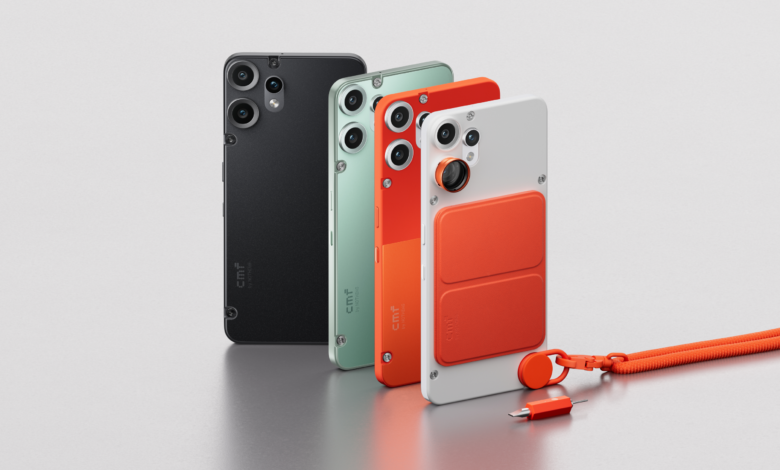
Nothing has reportedly stopped work on a new CMF smartphone after rising component costs made the project hard to justify. The biggest pressure point is the sharp increase in RAM and storage prices, which has narrowed the room for affordable phones to improve without lifting retail prices.
That matters because the affected product line is not a premium flagship series. It is the budget-friendly CMF range, where even a small cost jump can quickly alter the final price a buyer sees.
A budget phone that no longer pencils out
According to Nothing co-founder Akis Evangelidis, the company had been developing a successor to the CMF Phone 2 Pro before deciding to stop the project. He shared the update on X on Friday, June 19, 2026.
Evangelidis said Nothing could not find a sensible way to make a successor that felt meaningfully better while still keeping the CMF price point intact. In his view, current memory pricing makes that goal difficult to reach.
The CMF Phone 2 Pro itself launched at around 279 US dollars, which places it firmly in a price band where component inflation quickly compresses margins. In that segment, manufacturers often have to choose between holding the price steady or accepting a thinner hardware upgrade.
RAM and storage prices are reshaping the market
The strain is not limited to one device. Over roughly the past 18 months, prices for several types of memory have climbed sharply, including RAM and flash storage commonly used in smartphones.
That trend leaves low-cost phone makers with fewer options. They can raise prices, or they can hold the line and reduce the scale of upgrades, but both choices make product planning harder.
AI demand is part of the pressure
The surge in memory prices is widely linked to the rapid expansion of artificial intelligence infrastructure. Major technology companies are racing to build data centers and AI systems that require huge amounts of memory capacity.
Amazon, Microsoft, Meta, Alphabet, and other large players are part of that investment wave. Their demand is helping reshape the global market for chip supply and memory allocation.
As AI buyers push deeper into the market, memory suppliers tend to prioritize products with stronger margins for servers. Consumer devices such as smartphones then have to compete harder for the same parts.
What this means for low-cost phones
The cancellation is a warning sign for the affordable smartphone segment. For years, that category has relied on the ability to deliver noticeable upgrades at prices that still feel competitive.
When RAM and storage become more expensive, that formula becomes harder to sustain. Brands cannot simply add more memory or improve hardware across the board without passing part of the cost to consumers.
The pressure may also extend beyond phones. Some analysts believe tablets and personal computers could face higher prices over the next few years if component costs remain elevated.
Nothing has not yet said whether it will replace the canceled project with another device. The company has also not indicated when, or whether, it will wait for the memory market to cool before trying again.
For now, the decision shows how quickly memory inflation has moved from a back-end supply issue to a direct force shaping which smartphones reach the market.