Samsung’s Galaxy S26 is gaining momentum at a time when the global smartphone market is expected to cool sharply. The contrast is striking, with premium demand holding up even as broader industry conditions point in the opposite direction.
Counterpoint projected in June 2026 that global smartphone shipments would reach only 1.08 billion units, down 13.9 percent from the previous year. If that forecast is realized, it would mark the lowest level since 2013, underscoring how severe the slowdown could become.
Cost Pressure Is Hitting the Wider Market
One of the main pressures comes from rising chip memory demand tied to artificial intelligence development. Tighter supply is pushing component prices higher, which in turn may raise the cost of new devices and weaken consumer purchasing power.
Geopolitical uncertainty is adding more strain to the industry. That combination is especially harsh for brands competing in price-sensitive segments, where even small increases in production costs can have a large impact on sales.
| Indicator | Data | Context |
|---|---|---|
| Global shipments in 2026 | 1.08 billion units | Forecast to fall 13.9 percent |
| Projected market level | Lowest since 2013 | If Counterpoint’s estimate comes true |
| Main pressure points | Component costs and the global economy | Also influenced by geopolitical uncertainty |
Galaxy S26 Is Finding Buyers in the Premium Tier
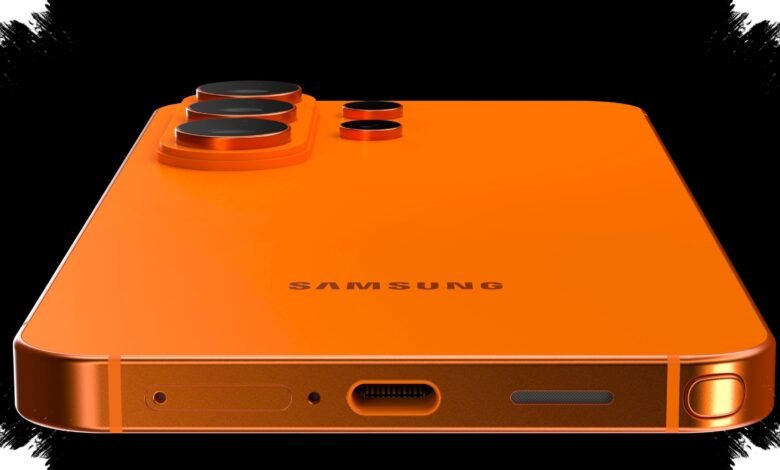
Against that backdrop, Samsung has posted a notably strong start for the Galaxy S26 series in South Korea. According to EInfoMax, as cited by techno.viva.co.id, Samsung sold 3 million Galaxy S26 units in just 117 days in its home market.
That pace makes the Galaxy S26 the fastest-selling Galaxy S series in South Korea so far. Roughly 70 percent of early orders came from the Galaxy S26 Ultra, which remains the top-tier model in the lineup.
Demand has also been described as very strong in the United States. The pattern suggests that the premium segment still has room to grow, even while the overall smartphone market faces broad weakness.
| Model | Achievement | Note |
|---|---|---|
| Galaxy S26 | 3 million units in 117 days | Fastest Galaxy S sales pace in South Korea |
| Galaxy S25 | 3 million units in about 6 months | Slower than the Galaxy S26 |
| Galaxy S26 Ultra | 70 percent of early orders | Largest contributor to early sales |
AI and Privacy Are Helping Samsung Stand Out
Analysts say the Galaxy S26’s strength is not driven by brand recognition alone. Samsung has positioned the device as the third generation of its Galaxy AI smartphone experience, with a more mature feature set than earlier models.
A major shift is the growing use of on-device AI rather than cloud-based processing. That approach can improve response speed while reducing dependence on an internet connection when AI features are used.
Samsung has also added Privacy Display, which has become another selling point. In a crowded flagship market, the combination of AI capability and privacy protection gives the Galaxy S26 a clearer identity.
Industry observers also note that Samsung has kept the Galaxy S26 competitively priced relative to the technology it offers. That matters in the flagship category, where buyers often look beyond raw specifications and focus on long-term value and ecosystem benefits.
Entry-Level Phones Face the Greatest Risk
Counterpoint expects the sharpest pressure to fall on entry-level smartphones. These devices depend on high volume and thin margins, making them far more vulnerable to rising component costs.
Flagship phones have more flexibility to absorb higher production expenses. They typically sell innovation, premium experience, and ecosystem strength rather than low pricing alone.
That helps explain why Samsung and Apple can still defend demand at the high end while the broader smartphone market weakens. Even so, the Galaxy S26’s momentum will remain under close watch through the rest of the year.