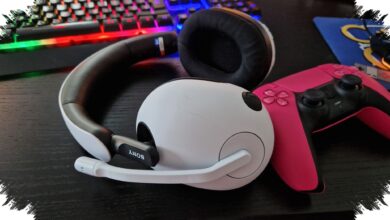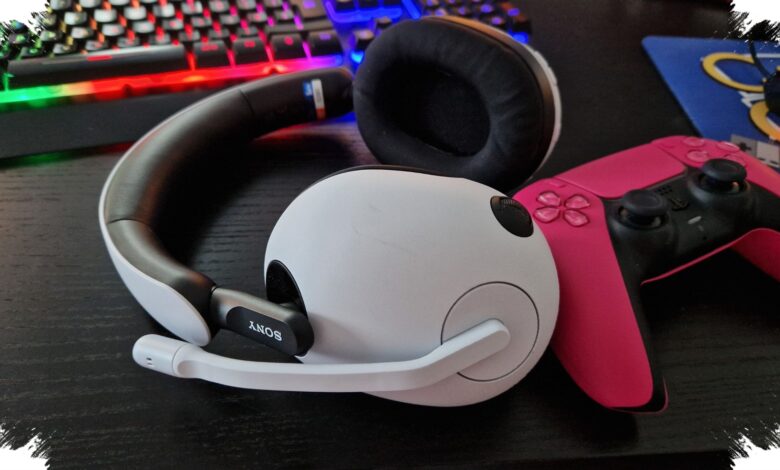
What was designed for spatial audio in Sony headphones has found a new role in PC gaming. A project called Sony Head Tracker turns built-in motion sensors into a head-tracking tool for simulator games.
The idea comes from developer Nicholas Slattery, who used the accelerometer and gyroscope already embedded in certain Sony headphones. Windows does not read the Android Head Tracker protocol in the firmware directly, so the project acts as a bridge to make the hardware useful on a PC.
How the system works
Sony Head Tracker connects the headphone sensors with OpenTrack, a motion-tracking program that supports more than 200 PC games. OpenTrack was originally built for phones, webcams, eye trackers, and infrared trackers, which makes it flexible enough for this unusual setup.
With that connection in place, the headphones can handle head tracking in titles such as Microsoft Flight Simulator and Assetto Corsa. For simulator players, it creates a control method that is more immersive without adding a separate tracking accessory.
| Supported Sony Devices | Model | Notes |
|---|---|---|
| WH-1000XM6 and WF-1000XM6 | Latest flagship series | Already includes spatial audio capability |
| WH-1000XM5 and WF-1000XM5 | Previous flagship series | Already includes spatial audio capability |
| ULT WEAR | WH-ULT900N | Included on the supported device list |
The supported models are all devices that already offer spatial audio. That means users do not need to add special hardware before trying head tracking on a Windows PC.
Video demos circulating around the project suggest the tracking response is strong enough to feel close to VR-style control, according to detikINET citing GSM Arena on Thursday, July 9, 2026. The appeal is straightforward: existing headphone hardware gains a second life through software.
Not every brand can follow the same path. Apple headphones and earbuds are said to use a closed proprietary protocol, which prevents them from working with Windows for this purpose.
For Sony owners who already have one of the supported models, the project offers a practical entry point into simulator gaming. It also shows how sensors hidden inside consumer audio products can be repurposed far beyond their original job.