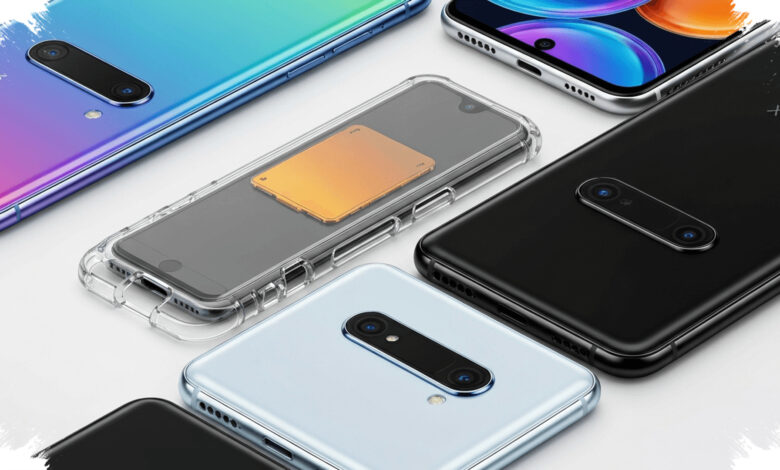
A flagship phone can use the fastest processor available and still feel disappointing during long gaming sessions. Its real advantage often depends on less visible choices, including cooling hardware, software tuning, storage, display quality, and haptic components.
Those elements explain why two phones with the same chipset may not deliver identical sustained performance. They also help explain why a premium device can remain comfortable and responsive over several years of use.
1. Sustained Performance Is a Cooling Matter
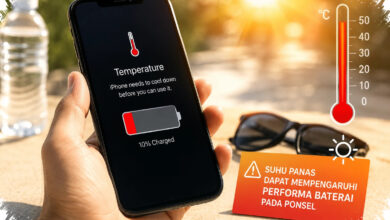
A flagship chipset is not necessarily operated at its maximum speed at all times. When temperature rises, the system can reduce CPU and GPU frequencies through a mechanism known as thermal throttling.
This measure is intended to keep the device safe and comfortable rather than to diminish the chipset’s capability. The system continuously monitors temperature during demanding tasks such as gaming and video rendering.
A larger vapor chamber can spread heat more evenly across the device. This allows performance to remain more stable during extended workloads.
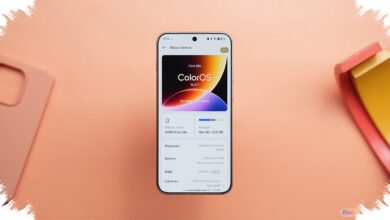
Cooling hardware is not the only variable in this process. Software optimization and each manufacturer’s operating policy can also create different results from phones that use the same processor.
2. Premium Hardware Includes More Than the Main Chip
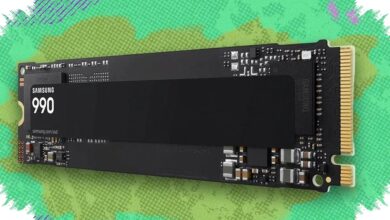
The internal storage used in flagship phones is often based on the latest UFS generation. It provides higher read and write speeds and is designed for longer-term use.
Display panels also receive greater attention in premium models. They can offer high brightness, more accurate colour, and stronger glass protection for outdoor use.
| Component | Advantage | User Impact |
|---|---|---|
| Latest-generation UFS | Faster read and write speeds | Quicker data access and longer-lasting storage |
| Vapor chamber | More even heat distribution | More stable performance under heavy loads |
| Premium display panel | High brightness and accurate colour | Greater comfort in varied conditions |
| X-axis Linear Motor | More precise haptic response | More natural typing, gaming, and notifications |
| Stereo speakers | Balanced and louder sound | Improved audio experience |
| Aluminium or titanium frame | Strength with lower weight | A solid feel in the hand |
An X-axis Linear Motor can provide more precise haptic feedback than a conventional vibration motor. That difference affects the feel of typing, games, and notifications.
Many flagship devices also use high-quality stereo speakers for more balanced and louder audio. Some manufacturers additionally tune their audio systems with specialist sound companies.
3. Camera Results Depend on Computational Processing
High resolution and a large camera sensor are important, but they do not alone determine the final photograph. A modern flagship camera relies heavily on software processing after the shutter is pressed.
Raw sensor data passes through an Image Signal Processor, or ISP, before AI processing recognises objects and adjusts the image. The process can improve lighting, reduce noise, enhance detail, and maintain natural colour.
HDR is more than an additional camera option because it combines several images taken at different exposure levels within milliseconds. Night Mode helps produce brighter images in low-light conditions.
As a result, phones using sensors from the same manufacturer can still produce noticeably different photos. Each maker’s image-processing algorithm affects sharpness, dynamic range, colour, and final detail.
Gadget.viva.co.id noted that flagship buyers are not only paying for the main specifications. They are also paying for more mature software optimization, stronger materials, and internal technology prepared for longer-lasting use.