
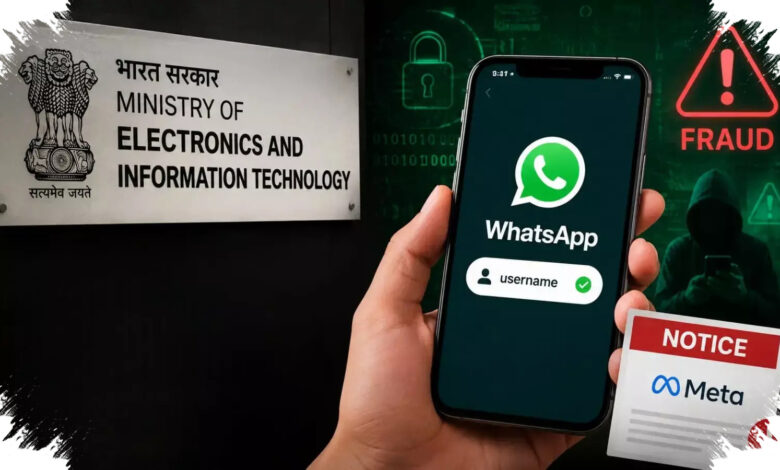
Names that appear to belong to public authorities or financial institutions are at the centre of India’s objection to WhatsApp usernames. The concern is that a fraudulent account could gain a victim’s trust before attempting to obtain money or personal information.
TechCrunch found that rbi_verify, a name resembling the Reserve Bank of India, could still be reserved during the early stage of the feature. Other available names reportedly included IndianCrimeOffice, IndianOfficerCyberCriminal, and RBI_Inspector, although none are official government names.
India has asked Meta to pause the rollout of WhatsApp usernames in the country while it examines the safeguards behind the feature. The government gave Meta until July 9 to respond on risk mitigation, according to information compiled by Beritasatu.com.
The feature is intended to let people contact one another without revealing a private phone number. Username reservations have been opened gradually in several countries ahead of a broader rollout later this year.
Fraud Concerns in WhatsApp’s Largest Market
India’s scrutiny comes as cyber fraud has imposed substantial losses on the public. The country is expected to have about 853.8 million WhatsApp users in 2026, according to World Population Review.
| Indicator | Figure | Details |
|---|---|---|
| WhatsApp users in India | 853.8 million | 2026 estimate by World Population Review |
| Cyber fraud losses | 224.95 billion rupees | Reported throughout 2025 |
| Cyber fraud reports | 2.4 million cases | About 24% higher than the prior year |
Data from India’s Ministry of Home Affairs show that investment scams were the largest source of public losses. The digital arrest scheme, in which criminals impersonate officers or officials to pressure victims into transferring money, also caused significant losses.
Vikas Kundu, a threat intelligence researcher at CloudSEK, said usernames could be made to resemble government bodies or public figures. That resemblance may make fraudulent messages look more credible to people who do not have time to verify the sender’s identity.
“At present, suspicious phone numbers are often the first warning sign for victims,” Kundu said. “By hiding that number in the first interaction, users lose one of the easiest ways to verify who is contacting them.”
Reserved Names and Enforcement Issues
Kundu said usernames do not create a new fraud technique, but could make existing scams more effective. He also highlighted namespace squatting, where a party reserves names similar to banks, public institutions, or well-known figures before the legitimate owner can claim them.
Manish Sisodia, a former deputy chief minister of Delhi and a leader of the Aam Aadmi Party, said several username combinations containing his name and AAP had already been reserved by other parties. In a post on X, he called for verification and a complaint mechanism to prevent misuse of public identities.
Meta has prepared username reservations for public figures, government institutions, and verified Meta accounts. The company has also outlined new contact limits, protections against attempts to guess usernames, and automated systems to detect impersonation and service abuse.
India has nevertheless sought further detail on whether those measures are sufficient. It has also requested explanations from Telegram and Signal about their username systems, Reuters reported, indicating that the concern extends beyond one platform.
Andrei Skorobogatov, Global Anti-Scam Alliance director of communications, said usernames could add another step for law enforcement. Authorities can still seek account identities through formal procedures, but investigators must first ask WhatsApp to identify an account through the username in use.
The dispute places WhatsApp’s privacy-focused design against the need to make digital identities easier to verify. India’s response to Meta’s safeguards will determine whether the username rollout can proceed in a market of exceptional scale.