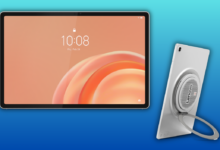
Xiaomi has officially rolled out the stable update of HyperOS 3 to 12 of its latest smartphones and tablets, signaling a major expansion of its software ecosystem. This release brings the advanced features of HyperOS 3, based on Android 16, to a broad array of Xiaomi, Redmi, and POCO devices, enhancing user experience across mid-range and flagship models.
The update is currently being distributed primarily to the China variants of selected devices through a phased rollout. Users are advised that it might take some time before the notification appears on their phones. Xiaomi’s commitment to updating these devices aligns with its goal to deliver the Android 16-based HyperOS experience widely before the end of 2025.
Devices Receiving HyperOS 3
This latest stable version of HyperOS 3 is available for a diverse lineup consisting of mid-range smartphones and tablets, demonstrating Xiaomi’s strategy of unifying its devices under a consistent software platform. The full list of eligible devices includes:
- Redmi K60 Ultra
- Redmi K60 — OS3.0.2.0.VMNCNXM
- Redmi K60 Pro — OS3.0.3.0.VMKCNXM
- Redmi K60 Ultimate Edition — OS3.0.3.0.WMLCNXM
- Redmi Turbo 3 — OS3.0.4.0.WNPCNXM
- Redmi Note 15 — OS3.0.2.0.WPQCNXM
- Redmi Note 14 5G — OS3.0.3.0.WOQCNXM
- Redmi Note 13R Pro — OS3.0.1.0.VNQCNXM
- Redmi Note 13 5G — OS3.0.1.0.VNQCNXM
- Redmi Note 13R — OS3.0.1.0.WNUCNXM
- Redmi Note 13 Pro — OS3.0.4.0.WNFMIXM
- POCO M6 Pro — OS3.0.4.0.WNFMIXM
- Xiaomi Pad 6 Max 14 — OS3.0.1.0.VMHCNXM
- Xiaomi Pad 6 Pro — OS3.0.3.0.VMYCNXM
This list highlights the importance Xiaomi places on its mid-tier Redmi series, which are key sellers in many markets. Including the Xiaomi Pad models in this update reflects their growing role in Xiaomi’s integrated product ecosystem.
Key Features and Enhancements
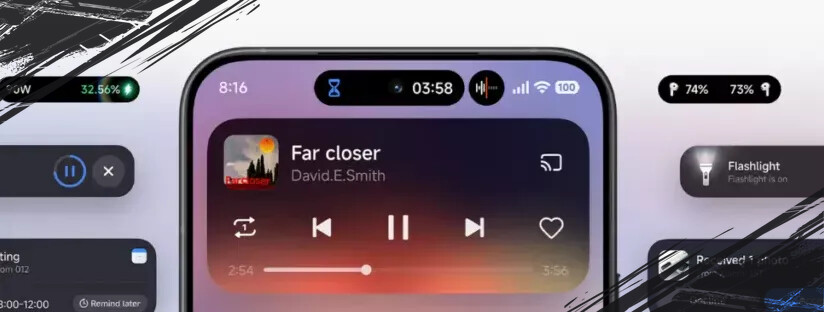
HyperOS 3 brings substantial improvements beyond routine bug fixes. The system includes the innovative HyperIsland interface, a floating UI element that delivers quick access to notifications and essential controls without navigating through multiple apps. This feature streamlines interactions and improves multitasking efficiency.
Visual aspects have also been refreshed significantly. Lockscreen designs and system UI now offer more informative notification displays and smoother animations, creating a polished user interface. These changes reflect a focus on both utility and aesthetic appeal.
Another hallmark of HyperOS 3 is the integration of generative AI tools. These built-in features empower users with AI-enhanced photo editing, text generation, and creative functions directly on their devices. This move follows industry trends that leverage AI to enhance smartphone capabilities beyond traditional software.
For users managing multiple Xiaomi devices, the Cross-Device Mirroring feature strengthens ecosystem cohesiveness. It allows seamless app mirroring and transfers between compatible smartphones, tablets, and laptops, boosting productivity and convenience.
The homescreen experience is improved with cleaner layouts and more intuitive widget interactions. Such refinements ensure that daily usage feels modern and responsive.
Availability for Global Users
Currently, HyperOS 3 is mostly available for China variants of the supported devices. Xiaomi plans to release the global version progressively, expected to start in early 2026. Users outside China should monitor the system update section on their devices for availability under Settings > About phone > System update.
To ensure a smooth transition to HyperOS 3, it is recommended that users install any pending minor updates based on HyperOS 2 beforehand. Xiaomi’s broader update strategy previously covered older device models as well, underscoring its long-term software support philosophy.
Strategic Implications for Xiaomi
By expanding HyperOS 3 to a wider range of devices, Xiaomi not only promotes feature parity across its diverse product line but also extends the functional lifespan of its phones and tablets. This supports the growing importance of continuous software updates as a competitive advantage in the smartphone industry.
With newer POCO models like M6 Pro included while others like POCO F5 remain in testing, Xiaomi carefully calibrates its rollout. This gradual approach ensures stability and quality control before mass deployment.
Ultimately, this update campaign emphasizes that Xiaomi’s value proposition now encompasses both cutting-edge hardware and evolving software solutions. For consumers, this means their investment in Xiaomi devices carries ongoing benefits through feature enhancements and AI-powered tools delivered over time.