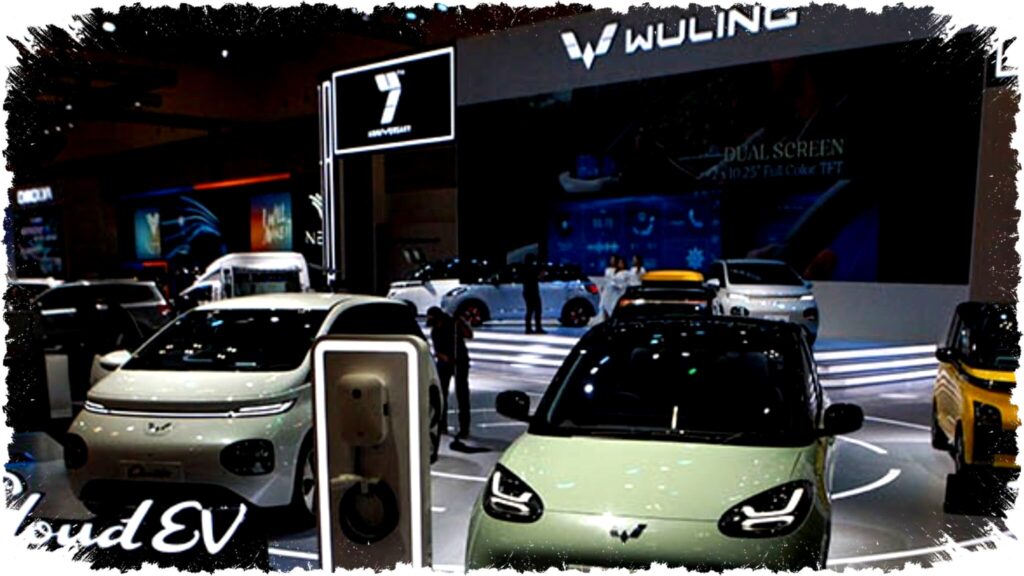
The Indonesian government is redesigning its automotive tax incentives for 2026, shifting focus from exclusively electric vehicles (BEV) to a broader policy that includes gasoline and hybrid cars. This revamped scheme plans to offer tax exemptions, including PPnBM and VAT waivers up to 100%, for gasoline cars priced below IDR 275 million (approximately $18,000) and hybrid or electric vehicles below IDR 375 million (about $24,500).
This policy shift comes amid pressure on the automotive industry, as several incentive programs for electric vehicles are set to expire in 2026. Industry players now await clear guidelines from the government, as uncertainty around the incentive structure threatens pricing stability and consumer demand.
Three Possible Scenarios for Automotive Tax Incentives in 2026
Economic analyst Josua Pardede outlined three potential outcomes regarding the expiration of BEV incentives, discussed during the National Automotive Industry Dialogue at IIMS 2026.
Complete Termination of Incentives
If all incentives end, normal tax rates such as PPnBM and import duties will resume. This will likely increase electric vehicle prices significantly. Higher prices could suppress automotive sales in a year already forecasted to see weakening domestic demand. Josua emphasized, “If these incentives do not continue, it will substantially affect automotive sales performance in 2026.”Extension of All Current Incentives
Extending incentives could ease market pressures and support sales stability. However, Josua warned that this scenario is unlikely, given fiscal constraints. Indonesia’s budget deficit in the previous year approached 3% of GDP, limiting government spending capacity. Additionally, the 2026 fiscal plan targets tax revenue growth of around 13% while maintaining high priority expenditure commitments.- Partial or Targeted Incentives
The most feasible approach could be partial continuation or more selective incentives. For example, support may focus on first-time buyers or manufacturers meeting local content requirements (Tingkat Komponen Dalam Negeri, TKDN). This strategy aims to maximize economic impact and promote domestic industry growth, reflecting a more tailored fiscal policy approach.
Domestic Market Conditions and Production Dynamics
The domestic vehicle market contracted by roughly 7.2% year-on-year, signaling softness in consumer demand. Despite this, vehicle production in 2025 remained relatively stable, supported in part by steady export volumes. Export sales serve as a critical buffer for the industry amid declines in the local market.
While production of electric vehicles in Indonesia remains smaller compared to conventional models, investments by several manufacturers in local assembly facilities indicate potential capacity growth. This expansion could enhance Indonesia’s position as a regional EV production hub and boost export opportunities.
Fiscal and Economic Considerations
The government faces a delicate balancing act between supporting industrial growth and maintaining fiscal discipline. Incentive programs require budget allocations that must be weighed against other national priorities. Kementerian Keuangan (Ministry of Finance) continues evaluating the productivity and real economic impact of fiscal incentives.
Josua advises policymakers to adopt a comprehensive perspective, stating, “From a fiscal incentive viewpoint, continuous evaluation is vital to understand both economic returns and long-term sustainability.” This outlook reflects a broader global trend of recalibrating tax policies to balance stimulus with fiscal responsibility.
Implications for Consumers and Industry
For consumers, the uncertainty over tax incentives complicates decisions on vehicle purchases, especially for electric and hybrid options. Price increases from expired subsidies may dampen demand, slowing the transition toward greener mobility.
Industry stakeholders must prepare for various outcomes, including potential price adjustments and shifts in demand patterns. Manufacturers with strong local supplier networks and compliance with TKDN may benefit from targeted incentives.
Potential Government Measures Moving Forward
The government may consider implementing the following steps to support the automotive sector in 2026:
- Maintain partial PPnBM and VAT exemptions for selected vehicle categories.
- Prioritize incentives for first-time car buyers or low-income groups to stimulate domestic consumption.
- Enforce TKDN thresholds to encourage local content in production and promote domestic industry.
- Strengthen policies facilitating EV infrastructure to boost market readiness.
- Monitor market responses closely to adjust incentives dynamically and efficiently.
Conclusion
The future of Indonesia’s automotive tax incentives in 2026 remains in flux, with significant implications for market stability and industry development. The government’s approach to balancing economic growth, fiscal health, and industrial competitiveness will shape the sector’s trajectory. Stakeholders eagerly await formal announcements to align strategies with emerging policies.
As Indonesia navigates this transition, the direction of tax incentives will be a key determinant for automotive market performance and the country’s ambitions as a regional electric vehicle manufacturing base.