


The evolution of Android smartphones marks a significant chapter in modern technology. Since the commercial debut of Android in 2008, several devices have become landmarks that shaped the industry’s future.
These legendary Android phones not only achieved commercial success but also introduced innovations that redefined smartphone design, performance, and user experience. Their influence extends beyond sales, impacting global trends that define today’s mobile landscape.
1. HTC Dream (2008)
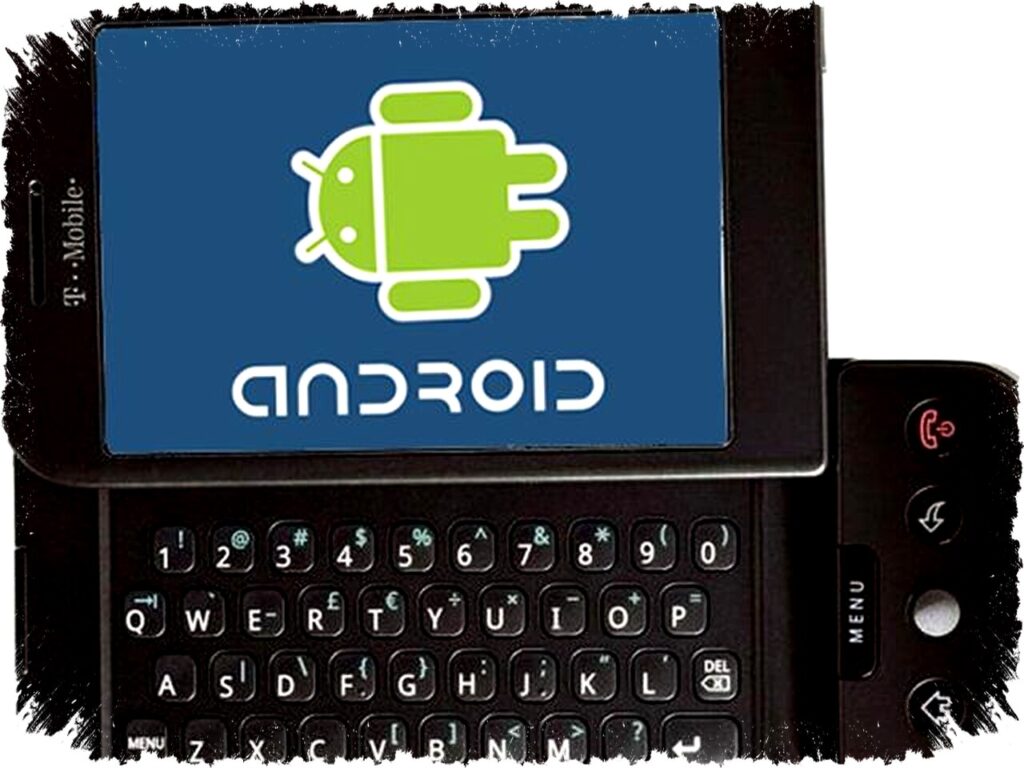
HTC Dream, also known as the T-Mobile G1, was the world’s first commercial Android phone. It introduced an Android interface with a sliding physical keyboard, setting the foundation for Android’s global ecosystem. Despite modest specifications by today’s standards, HTC Dream proved that open-source Android could compete with established platforms.
2. Motorola Droid (2009)
The Motorola Droid helped boost Android’s popularity in the U.S. market. It reinforced Android’s position as a serious competitor against other mobile operating systems by offering powerful hardware combined with Android’s flexibility.
3. Samsung Galaxy S (2010)
The original Galaxy S marked the start of Samsung’s dominance in the Android flagship category. Featuring a Super AMOLED screen and competitive performance, it established Samsung’s commitment to quality and innovation in premium smartphones.
4. Samsung Galaxy Note (2011)
Samsung Galaxy Note pioneered the phablet concept with its large 5.3-inch display and the stylus-enabled S Pen. Initially doubted, this device created a new smartphone segment and influenced industry standards for screen size and input methods.
5. Google Nexus 4 (2012)
Google Nexus 4, built by LG, delivered a pure Android experience at an aggressive price point. It paired stock Android software with premium design elements such as a glass back, making high-performance smartphones more accessible.
6. OnePlus One (2014)
Dubbed the "flagship killer," OnePlus One disrupted the market by offering high-spec hardware at nearly half the price of competitors. This device started a trend toward more affordable flagship-quality Android phones.
7. Samsung Galaxy S6 (2015)
Samsung Galaxy S6 introduced a premium build using glass and metal rather than plastic. It also provided significant camera and performance improvements, setting a new design direction for Samsung’s flagships.
8. Google Pixel (2016)
The first Google Pixel emphasized the integration of hardware and software, especially in computational photography. It raised the bar for smartphone camera quality on Android, influencing subsequent models widely.
9. Huawei P20 Pro (2018)
Huawei P20 Pro popularized the triple-camera setup with Leica optics and impressive low-light photography capabilities. Its night mode feature sparked widespread innovation in mobile photography among Android vendors.
10. Samsung Galaxy S10 (2019)
Samsung Galaxy S10 featured the Infinity-O display with a punch-hole camera design, reducing bezels significantly. This design trend was quickly adopted across the industry before the emergence of under-display cameras.
The Dawn of Android and the Pioneer Era
HTC Dream’s launch introduced the public to Android’s capability. It combined touchscreen navigation with a physical keyboard, offering a glimpse of the platform’s potential. This device validated Android as a viable alternative in a market dominated by established competitors.
Samsung’s early Galaxy S series propelled Android into mainstream attention. The use of Super AMOLED technology and sleek designs demonstrated Samsung’s serious investment in high-end Android devices. The series’ success positioned Samsung as a leading global smartphone brand.
Design Revolution and the Rise of Large Screens
The Galaxy Note blurred the lines between phone and tablet, creating the phablet category with its sizable display and stylus features. Despite initial skepticism, large screens became the new normal, altering consumer expectations.
The Nexus 4 showed that high-spec Android phones could be affordable. It combined quality materials and pure Android software, encouraging openness and customization. Nexus devices served as a reference point for developers and users seeking a clean Android experience.
Era of High Performance and Premium Builds
Mid-2010s flagship competition surged with Samsung Galaxy S6 showcasing a leap in design through premium materials. This trend continued shaping modern smartphone aesthetics and build quality.
OnePlus One’s entry disrupted pricing models by providing flagship performance at accessible prices. This strategy forced competitors to reconsider their market approach, benefiting consumers with better value.
Google Pixel underscored the importance of close hardware-software synergy. Its computational photography advancements set a new photography benchmark on Android, influencing camera development extensively.
Camera Innovation and Mobile Photography
Camera technology became a key battleground in smartphone evolution. Huawei P20 Pro’s triple-camera system and night mode feature revolutionized mobile photography, prompting a race for better cameras among Android manufacturers.
Samsung Galaxy S10’s punch-hole display design minimized bezels, optimizing screen real estate while maintaining camera functionality. This design innovation was widely emulated across brands before under-display cameras began appearing.
Milestones Shaping the Android Ecosystem
These legendary Android phones catalyzed change, establishing new industry standards such as:
- Large screen preference for better media and productivity.
- Use of premium materials like glass and metal in flagship phones.
- Multi-camera systems to enhance photography capabilities.
- Stock Android experience as a benchmark for software purity.
Today, Android is the world’s most dominant mobile operating system. Its growth traces back to these groundbreaking devices that dared to innovate in design and technology.
Impact on Indonesia’s Smartphone Market
Many of these devices gained popularity in Indonesia, influencing local consumer preferences. Trends such as large screens, advanced camera features, and premium designs shaped purchasing decisions.
The competitive Indonesian market pushes vendors to offer feature-rich smartphones at competitive prices. This dynamic aligns with global developments sparked by these legendary Android phones.
Looking ahead, Android innovation is expected to focus on AI integration, battery efficiency, and ecosystem connectivity. History shows that major technological leaps often come from devices that challenge norms and inspire the industry to evolve.
From the trailblazing HTC Dream to today’s flagship powerhouses, these ten Android phones represent milestones. Their contributions have built a strong foundation for future smartphone generations.