


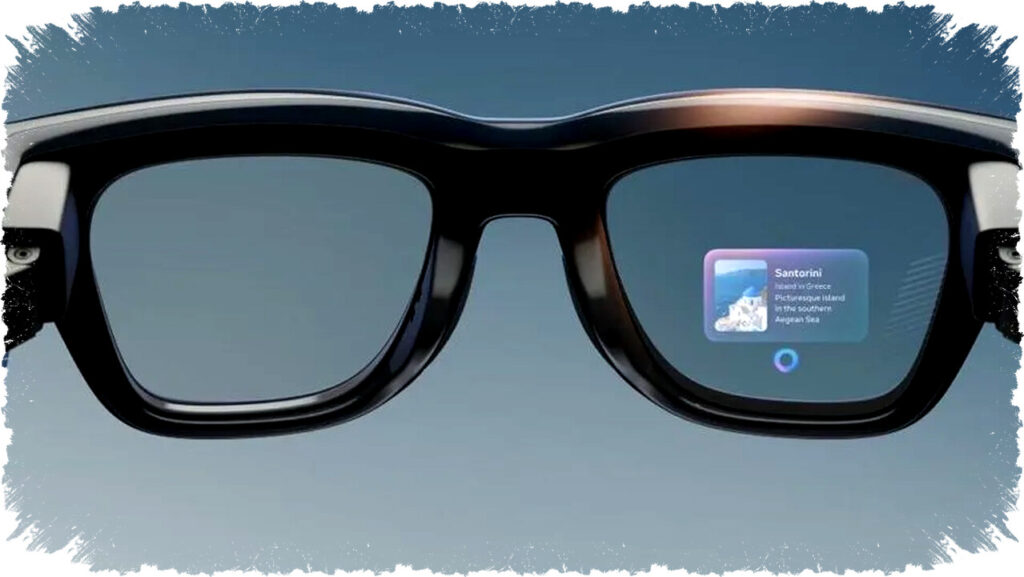
Meta is reportedly developing a new facial recognition feature for its smart glasses. According to a report by The New York Times, this technology, internally called "Name Tag," could launch as early as this year, although plans remain subject to change.
The "Name Tag" feature aims to identify people simply by looking at them through the smart glasses. This would allow users to receive relevant information about individuals via Meta’s AI assistant. Essentially, the device would serve not only as a visual display but also as an AI-powered identification tool.
How "Name Tag" Works
The smart glasses are expected to use built-in cameras to scan faces in the user’s environment. Advanced AI algorithms would then compare the captured faces against a database to provide identity details. Similar facial recognition technology is already common in sectors such as airport security and employee attendance tracking.
However, applying this technology in consumer wearables introduces new challenges. Unlike tightly regulated official systems, these smart glasses could be used in public spaces without oversight. This raises complex questions about how and when the technology should be used, as well as what safeguards are needed to prevent misuse.
Privacy and Security Concerns
Meta has reportedly considered various scenarios to mitigate privacy risks. Internal memoranda reveal that the company explored trials targeting visually impaired users, who might benefit greatly from enhanced identification capabilities. Early plans even included testing “Name Tag” at a conference for people with vision disabilities.
Despite the potential benefits, Meta shelved these early trials due to privacy and safety concerns. Facial recognition technology often faces public scrutiny because it may enable unauthorized tracking or data collection without consent. Activists and civil rights groups frequently warn against the misuse of such systems.
Furthermore, leaked internal documents indicate that political factors in the United States have influenced Meta’s timing decisions. The company is cautious amid a charged political climate, which could amplify public backlash against AI-based innovations.
Previous Abandoned Attempts
This is not Meta’s first attempt at integrating facial recognition with smart glasses. In 2021, the company collaborated with Ray-Ban to develop early-generation smart eyewear embedding similar features. Yet, this initiative was halted due to technical hurdles and ethical considerations.
The revival of this idea corresponds with growing market interest in wearable tech. Meta’s increasing foothold in this segment and easing tensions with regulatory bodies under recent government administrations appear to encourage further innovation.
Balancing Innovation and Ethical Issues
The "Name Tag" feature could revolutionize wearables by simplifying social interactions. Users might instantly recall names at business meetings, recognize acquaintances at crowded events, or assist visually impaired individuals in navigating social spaces. This instant accessibility appeals to consumers desiring seamless, real-time knowledge.
Conversely, concerns over privacy boundaries remain urgent. Without clear legal frameworks and strict data protection protocols, there is a significant risk of unauthorized facial data capture. This distrust highlights the necessity for transparent policies and robust cybersecurity measures accompanying technological advances.
The Future of AI-Powered Smart Glasses
Artificial intelligence continues to drive the evolution of wearable devices, designed to interpret the user’s surroundings intelligently. If launched, Meta’s “Name Tag” might set a precedent for integrating facial recognition directly into everyday gadgets.
Still, Meta has not confirmed a fixed release date. Multiple sources suggest the company is carefully weighing technical readiness alongside anticipated public reaction. Consequently, despite promising prospects, the success of this feature will depend on how effectively Meta addresses privacy and ethical concerns.
The introduction of facial recognition in Meta’s smart glasses exemplifies the wearable industry’s shift toward smarter, more personalized experiences. However, like many groundbreaking technologies, it faces the challenge of aligning innovation with user trust and responsible data handling. Public attention now focuses on whether Meta can deliver this balance and pioneer a privacy-conscious future for AI wearables.