


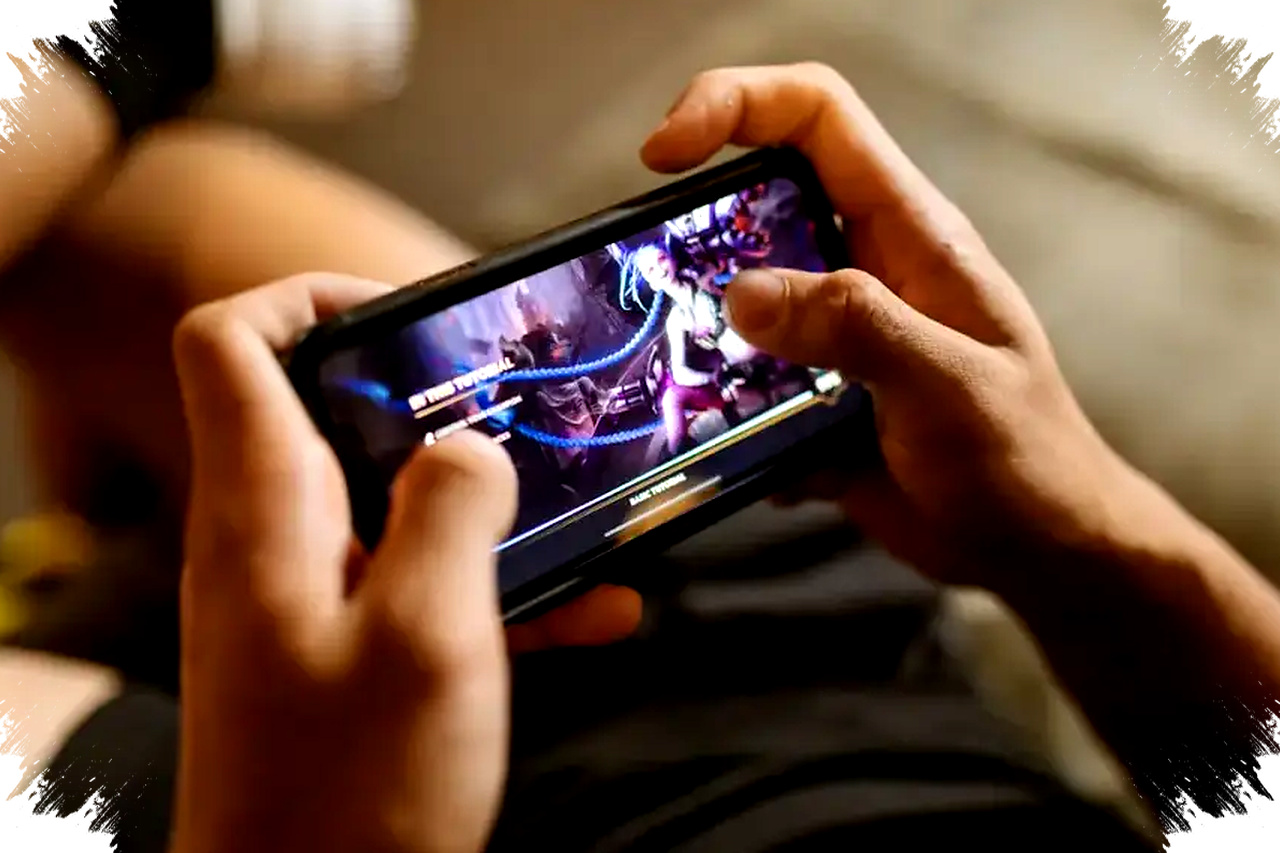
In March 2026, the global smartphone gaming market is witnessing strong competition fueled by Qualcomm’s latest flagship and mid-range chipsets. Gamers now have access to devices specifically engineered for intense gaming sessions, combining powerful processors, advanced cooling systems, and high-quality displays.
Leading the pack is the Red Magic 11 Pro, equipped with the Qualcomm Snapdragon 8 Elite Gen 5 SoC. This model offers up to 24 GB of RAM and a massive 1 TB of UFS 4.1 Pro storage, making it ideal for performance-hungry gamers. The device sports a 6.85-inch OLED screen with a 144 Hz refresh rate and peak brightness reaching 2000 nits, delivering vivid visuals even in bright environments.
Its dual liquid-air cooling system integrates a high-speed 24,000 RPM fan alongside Liquid Metal 3.0 technology. This combination effectively manages heat during long gaming marathons, preventing thermal throttling and ensuring stable performance. According to Selular.ID, this advanced cooling solution sets it apart from many competitors.
Close behind, the OnePlus 15 features the same flagship Snapdragon 8 Elite Gen 5 chipset with up to 16 GB RAM. It boasts a 6.78-inch AMOLED LTPO display capable of 165 Hz refresh rate, paired with a 360° Cryo-Velocity Cooling System. This innovative design uses a large vapor chamber to maintain optimal operating temperatures during heavy gaming loads.
In terms of battery capacity, the OnePlus 15 houses a robust 7300 mAh cell with fast charging at 120 W. This offers extended playtime, meeting gamers’ demand for fewer interruptions and rapid recharge cycles.
For users seeking great performance with a more affordable price tag, the Red Magic 11 Air offers a compelling balance. It utilizes the Snapdragon 8 Elite processor, up to 16 GB RAM, and a 6.85-inch display with a 144 Hz refresh rate. The phone also incorporates an active cooling system that notably reduces heat compared to earlier models.
Its 7000 mAh battery and 80 W fast charging capability provide sufficient endurance for longer gaming sessions at a competitive price point, making it a popular choice among mid-range gaming phones.
Other notable contenders in the mid-range category include the iQoo 15R and OnePlus 15R. Both devices leverage the Snapdragon 8 Gen 5 SoC, alongside AMOLED screens with 144 Hz refresh rates.
The iQoo 15R stands out with its IceCore VC cooling system, capable of dropping device temperature by up to 15°C. It also offers a sizable 7600 mAh battery coupled with 100 W fast charging, ideal for gamers looking for a balance between price and performance.
Meanwhile, the OnePlus 15R features a 6.83-inch display optimized for touch responsiveness, supported by a 7400 mAh battery and 80 W fast charging. These specifications cater well to gamers who require smooth gameplay and minimal downtime.
Modern gaming smartphones emphasize more than raw processing power. High refresh rate displays ranging from 120 Hz to 165 Hz ensure fluid visuals during competitive gameplay. Advanced cooling technologies—such as active fans, vapor chambers, and liquid metal cooling—help maintain system stability over extended playtime.
These innovations prevent performance throttling, which can occur when devices overheat under heavy processing loads. The success of models like the Red Magic 11 Pro and OnePlus 15 lies in their ability to combine these elements harmoniously.
Battery longevity and fast recharge features address a crucial market need. Gamers demand longer sessions without frequent recharging, and OEMs respond with larger batteries and rapid charging solutions reaching up to 120 W.
Performance benchmarking platforms such as AnTuTu confirm that devices like the Red Magic 11 Pro+ and iQoo 15 lead global rankings in early 2026. This illustrates the ongoing trend where flagship smartphones push the envelope in overall performance, including gaming capacities.
The competitive landscape for gaming smartphones in March 2026 reflects deeper strategies from manufacturers. They prioritize seamless integration of powerful processors, advanced cooling, high-refresh-rate displays, and substantial batteries.
This multifaceted approach ensures devices deliver excellent gaming experiences and robust daily usability. As mobile esports and gaming demand continue rising, the pressure on OEMs to innovate intensifies accordingly.
Consequently, this generation of gaming phones caters to users expecting peak performance without compromise on visual quality or operational consistency throughout extended gaming periods.
With these advances, smartphone gaming reaches new heights, creating opportunities for enthusiasts and professionals alike to enjoy immersive gameplay on handheld devices.