


Samsung’s Exynos chipsets cover a broad spectrum of mobile devices, from entry-level smartphones to premium flagship models. Each series is designed with distinct features and performance levels to cater to different market segments. This article explores five key Exynos chipset series, examining their capabilities and competitiveness.
Entry-Level Efficiency: Exynos 800 Series
The Exynos 800 series targets budget-friendly smartphones. Key models in this series include the Exynos 850 and Exynos 880. Both are octa-core processors with clock speeds up to 2.0 GHz. The Exynos 850 relies on the Mali-G52 GPU and supports 4G LTE connectivity with eMMC 5.1 storage. Meanwhile, the Exynos 880 steps up performance with a Mali-G76 MP5 GPU and 5G network compatibility. It also supports 4K video recording, making it a viable option for affordable devices needing modern features. Samsung Galaxy A13 and A14 incorporate these chipsets, providing decent performance for basic usage at an accessible price point.
Stepping into Flagship Territory: Exynos 900 Series
Samsung’s Exynos 900 series marks the brand’s initial foray into integrating 5G connectivity within more powerful processors. Noteworthy are the Exynos 980 and 990, introduced in late 2019. Both combine clock speeds nearing 2.7 GHz with UFS 3.0 storage support to deliver faster data handling. Importantly, they include Neural Processing Units (NPU) for enhanced AI tasks such as object recognition and real-time image processing. Video capabilities reach up to 8K at 30 frames per second. Devices like the Galaxy S20 Ultra and Galaxy Note 20 employed these chipsets, helping Samsung compete with other flagship processors.
Mid-Range Powerhouses: Exynos 1000 Series
The Exynos 1000 series is tailored for mid-range smartphones, offering a balance between performance and efficiency. Variants such as the Exynos 1280, 1380, 1480, and 1580 power popular models including Galaxy A35, A54, and A56. All variants in this series support 5G and 4K video capture. Benchmarks show strong performance, with AnTuTu scores around 900,000 and Geekbench single-core scores exceeding 1,300 points. These chipsets utilize advanced fabrication processes between 4nm and 5nm, contributing to improved power efficiency and stable performance during demanding tasks. Such specifications make the 1000 series competitive in the crowded mid-tier market.
Top-Tier Power: Exynos 2000 Series
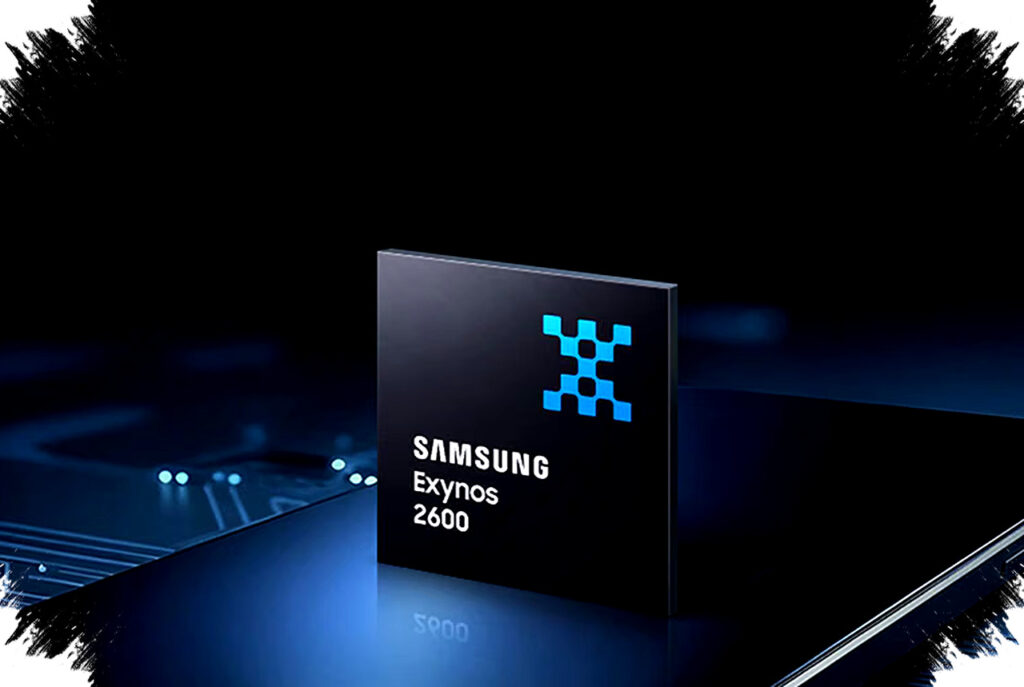
At the high end, the Exynos 2000 series features the most advanced technology Samsung offers. The Exynos 2500 and Exynos 2600 represent the cutting edge, with clock speeds up to 3.3 GHz and fabrication processes as small as 2nm. These chipsets introduce the Xclipse 960 GPU, enhancing graphics performance during gaming and graphic-intensive applications. Benchmark results indicate exceptional power, with AnTuTu scores close to 2 million and Geekbench single-core results over 900 points. Flagship devices such as the Galaxy S21, S22 Ultra, and S23 Plus rely on this series to deliver premium user experiences.
Legacy Models: The Phasing Out of Older Exynos Chips
Samsung’s earlier Exynos models, including the Exynos 3110, 7904, 8895, and 9825, supported iconic smartphones like the Galaxy S8 and Note 10. These chips predominantly focused on 4G connectivity and older fabrication technologies. As semiconductor processes evolved, Samsung retired these older models in favor of newer, more power-efficient designs that offer better performance and support for 5G. The ongoing evolution reflects Samsung’s commitment to maintain competitiveness in the mobile chipset market.
Samsung’s Commitment to Innovation and Competition
The Exynos lineup showcases Samsung’s versatile approach to mobile processors, covering multiple market segments with distinct priorities. While the Exynos 800 series emphasizes affordability and basic functionality, the 2000 series pushes hardware limits for flagship devices. Performance gains across generations are not only due to higher clock speeds but also improvements in AI integration, graphics capabilities, and fabrication technology. Despite facing criticism in the past about efficiency and thermal performance, Samsung continues to invest heavily in refining its chipsets.
Looking ahead, advancements such as smaller semiconductor fabrication nodes and enhanced AI processing capabilities are expected to bolster Exynos competitiveness. This will be critical as Samsung positions itself against dominant rivals like Qualcomm’s Snapdragon and MediaTek’s Dimensity series. Consumers can anticipate future Exynos processors delivering higher efficiency, better thermal management, and improved multimedia features. The breadth of the Exynos portfolio ensures Samsung can offer tailored solutions from entry-level phones to flagship devices, making the chipset a crucial component in the Galaxy ecosystem.