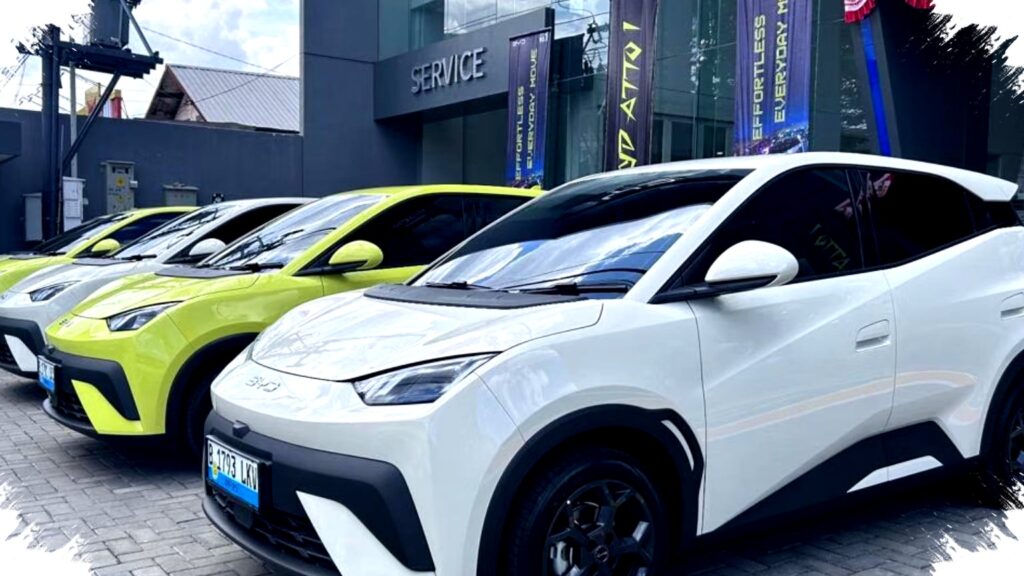
Electric vehicles with Vehicle-to-Load (V2L) technology offer new practical functions beyond transportation. This feature allows the electric car’s battery to act as a massive portable power bank. Drivers can use it to power external AC devices at 220V, much like plugging into a household electrical outlet.
During long trips such as the mudik (homecoming travel), V2L becomes a lifesaver for emergency needs. It enables users to charge smartphones, laptops, or even power kitchen appliances like electric kettles to boil water or cook rice. This convenience enhances safety and comfort on the road.
Understanding Vehicle-to-Load (V2L) Technology
V2L is a technology that lets an electric vehicle supply power to external electrical devices. Rather than solely using the battery for propulsion, the car’s stored energy can be accessed for daily electricity needs. It works when the car is parked or stationary, provided the battery charge is above 80%.
Most V2L setups come with a special socket or adapter, making it easy to plug in household appliances or chargers. For example, users can connect their phone chargers, small refrigerators, or emergency lighting directly to the vehicle. The system turns the car into a mobile power source suitable for various situations.
Practical Uses of V2L During Travel and Emergencies
• Portable energy source for outdoor activities such as camping or picnics.
• Charging electronic devices like phones, tablets, and laptops during rest stops.
• Operating small household appliances when power outages occur.
• Boiling water or cooking simple meals on the road without external electricity.
• Powering essential devices during emergency stops or prolonged breaks.
This flexibility adds peace of mind to travelers, especially when conventional power access may be limited. It also promotes energy efficiency by utilizing the vehicle’s battery for multiple purposes.
Step-by-Step Guide to Using External V2L Mode
- Park your electric vehicle safely and turn off the engine.
- Open the vehicle’s charging port where the power output adapter connects.
- Insert the V2L adapter into the charging port securely until it locks in place.
- Press the power button on the V2L adapter to activate the electricity supply; indicator lights confirm the connection.
- Plug your external device—such as an electric kettle, mobile phone charger, or other appliances—into the adapter’s AC socket.
- Monitor the vehicle’s dashboard or infotainment screen to ensure the power discharge is active.
This procedure ensures safe and efficient use of the car’s battery power to support external electrical needs without risking battery depletion below critical levels.
How to Use Internal V2L Ports Inside the Car
Some electric vehicles, like the Hyundai Ioniq 5, offer built-in AC outlets inside the cabin, typically under the rear seats. To use:
- Activate Utility Mode or Camping Mode via the vehicle’s multimedia interface. This allows the battery to supply power without turning on the drivetrain.
- Open the protective cover of the internal outlet and plug in your device.
This feature is ideal for indoor or shaded situations, where powering devices inside the car is more practical and safer.
Battery Care and Safe Usage Tips for V2L
• Set a battery limit for V2L discharge in the vehicle settings, such as 20-30%, to prevent full battery depletion and reserve enough charge to reach a charging station.
• Avoid using high-wattage heaters or electric cookers inside the vehicle cabin to eliminate fire hazards.
• Regularly check the battery status and discharge information on the car’s screen to monitor remaining power.
These simple precautions help maintain battery health and ensure V2L functionality remains reliable when needed.
Having V2L functionality in electric vehicles transforms them into versatile energy hubs. Travelers on long journeys find reassurance in such portable power solutions, enabling emergency phone charging, cooking, or lighting without dependence on traditional electricity sources.
By integrating V2L capability, electric cars advance from mere vehicles into smart, multi-functional companions that enhance safety, convenience, and sustainability during travel and emergencies. This innovation highlights how electric vehicle technology can be optimized for diverse real-world uses beyond eco-friendly driving.