The budget tablet market in 2026 is getting more aggressive, especially in the $120 to $170 range where brands now compete not only on specs but also on software support and everyday usability. For buyers who want a device for light work, classes, reading, streaming, or kids’ learning, the best value often comes from tablets that balance display quality, battery life, and long-term software reliability.
This is why the current wave of $2 million rupiah-class tablets has become so interesting. Based on real-world daily use and the reference data you provided, these five models stand out as the strongest picks in 2026, with Samsung, Huawei, Redmi, Infinix, and Tecno each bringing a different advantage to the table.
1. Samsung Galaxy Tab A11 Plus: the most balanced option
Samsung’s Galaxy Tab A11 Plus positions itself as the safest all-rounder in this segment. It is not the cheapest or the most powerful, but it combines polished hardware with a software experience that feels more mature than most rivals.
The biggest highlight is One UI 8 based on Android 16, along with a promised update window of up to seven years. That kind of commitment is rare in this price class, and it matters for users who do not want to replace their device anytime soon.
Samsung also includes Samsung DeX, which makes multitasking feel closer to a laptop workflow. The display can play YouTube up to 2160p, which is the highest resolution support among the tablets listed in the reference data.
Its weakness is the battery, which is the smallest in this group even though it supports 25W fast charging. For students and office users who care about split-screen stability and long-term software support, it remains one of the most sensible picks.
2. Redmi Pad 2: the best for entertainment and drawing
Redmi Pad 2 is the clearest choice for users who want a tablet mainly for movies, YouTube, and casual digital art. Its 2.5K display delivers sharp visuals and strong color reproduction, which gives it an immediate advantage for media consumption.
Audio is another strong point. The tablet uses quad speakers with Dolby Atmos, creating a fuller sound experience that feels impressive for its class.
For note-taking and sketching, Redmi Pen support is responsive enough for beginners who want to draw or write on screen. The large 9,100 mAh battery also helps it last up to two days in light to moderate use, making it a practical travel or dorm-room device.
The main compromise is its 4GB RAM configuration, which can make app switching feel slow at times. It is also not the best choice for heavy video editing, but for streaming and casual creativity, it delivers strong value.
3. Tecno Megapad 11: the new performance king
Tecno’s Megapad 11 is one of the more surprising entries in this class. As Tecno’s first serious tablet push, it does not feel like a trial product, because its benchmark and daily performance are among the strongest in the price segment.
The reference data says it delivers one of the highest AnTuTu scores in the $2 million rupiah category, and that lines up with its smooth feel in gaming and light video editing. It also comes with up to 256GB storage, which is a major plus for users who keep many apps, files, or offline video content.
The in-box case is another practical bonus, especially because it includes three viewing angles. That kind of bundle makes the purchase feel more complete without forcing buyers to spend more on accessories.
Its weak spot is software maturity. Tecno’s OS still trails Samsung and Huawei in refinement, and it lacks official stylus support, which limits advanced handwritten note use. Still, for budget gamers and performance-focused users, it is arguably the “speed-first” choice in the lineup.
4. Infinix XPAD 20 Pro: the big-screen mobile work option
Infinix XPAD 20 Pro targets users who want a large display and cellular connectivity on a budget. Its 12-inch screen is the biggest in this list, and that size makes a real difference for multitasking, online meetings, and reading documents.
One of its most practical strengths is LTE support with a SIM card slot. That makes it the only model in this roundup that can stay connected without relying on Wi-Fi, which is useful for mobile workers, freelancers, or students who move between locations.
Infinix also offers official keyboard and pen accessories, although availability can be inconsistent. The front camera flashlight feature is an unusual but helpful touch for video calls in low-light conditions.
The downside is software polish. The device still has some limitations, including split-screen issues in certain apps such as YouTube. It also lacks a headphone jack, which may matter for users who still prefer wired audio.
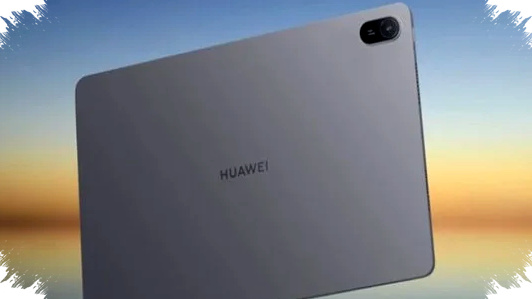
5. Huawei MatePad SE 11: the best for kids and handwriting
Huawei remains relevant in the tablet market because it still delivers excellent build quality and strong native note-taking tools. The MatePad SE 11 stands out for users who need a tablet for children, handwritten notes, or simple family use.
Huawei Notes is one of the strongest handwriting apps in the segment, especially for users who like to write naturally with a stylus or use the tablet for meetings and lectures. The Kids Corner feature is also highly developed, giving parents better control over content and screen habits.
The limitation is clear: Huawei does not include Google Play Store natively, so users often need GBox for some Google-based apps. Video resolution is also capped at 1080p on YouTube, while Netflix quality drops to SD under L3 certification, based on the source data.
Even so, for parents who prioritize safety, durability, and child-friendly software, the MatePad SE 11 still has a distinct place in this segment.
Quick comparison of the five best budget tablets in 2026
- Samsung Galaxy Tab A11 Plus: Best overall software and long-term support.
- Redmi Pad 2: Best screen and audio for entertainment.
- Tecno Megapad 11: Best performance and gaming value.
- Infinix XPAD 20 Pro: Best for large-screen mobile use with LTE.
- Huawei MatePad SE 11: Best for kids and handwriting-focused users.
The right choice depends on use case, not just price. Samsung is the safest pick for buyers who want a tablet that will stay relevant for years, while Redmi is ideal for media lovers who care about display quality and sound.
Tecno now looks like the strongest budget-performance challenger, and Infinix brings a rare mix of big screen and cellular access. Huawei, meanwhile, remains one of the most compelling options for families and users who value note-taking, as long as they are comfortable working around its Google ecosystem limits.