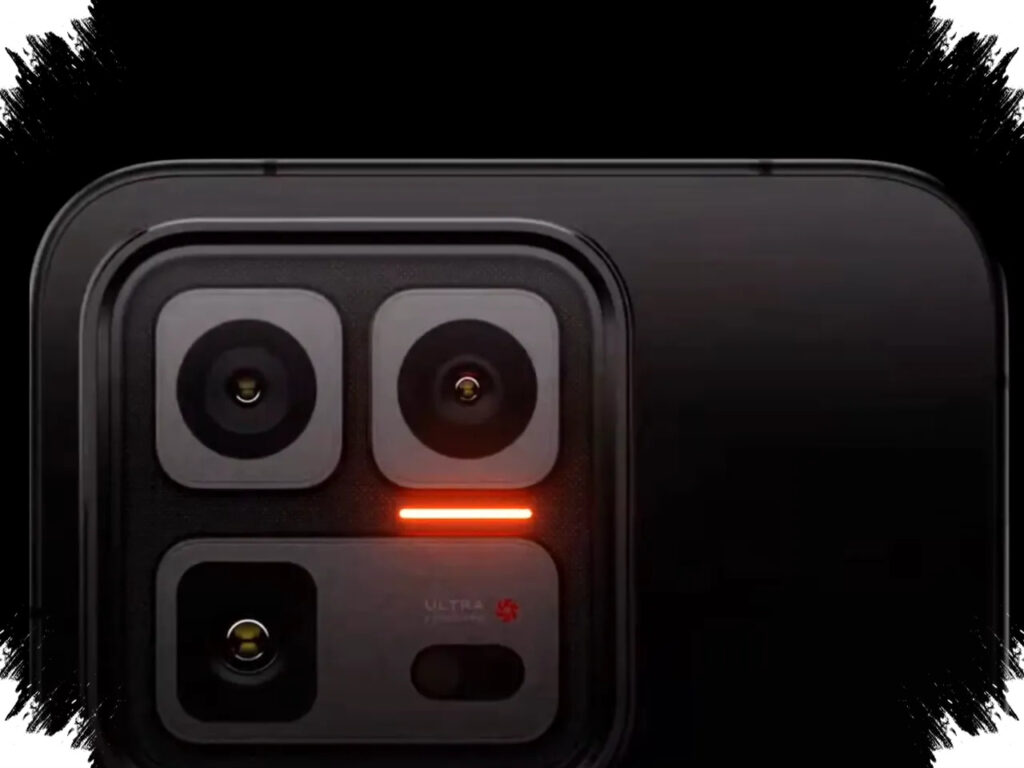
iQoo and Vivo have both surfaced in the GSMA IMEI database, with devices believed to be the iQoo 16 and Vivo V80 now appearing in early registration records. This development suggests that both phones are moving through the initial global approval pipeline, a step that often comes before a formal launch.
The listing does not reveal full hardware details, but it gives a strong signal that the two brands are preparing new models for multiple markets. For smartphone watchers, GSMA database appearances often matter because they can confirm that a product is real, progressing through internal certification, and likely nearing release.
Why the GSMA IMEI listing matters
GSMA’s IMEI database is used worldwide to record device identities for mobile network recognition. When a smartphone shows up there, it usually means the manufacturer has started the paperwork needed to bring the device to market.
That does not guarantee an immediate launch, but it does show progress beyond rumor. In the smartphone industry, this kind of early trace often becomes the first concrete sign that a new lineup is on the way.
The reference report said the devices were registered under different model numbers, which points to regional variants. That is common for global smartphone brands, since the same phone can ship with different identifiers depending on the country or carrier requirements.
What the listings suggest about iQoo 16
The iQoo 16 name fits naturally into iQoo’s flagship line, which has built a reputation around performance-first hardware. The brand has typically focused on fast processors, strong cooling systems, and features aimed at gaming and heavy multitasking.
While GSMA data does not confirm specifications, earlier market expectations around the iQoo 16 already point to a premium direction. That matters because iQoo often uses its main numbered series to compete in the upper tier of Android phones.
If the iQoo 16 follows the pattern of past releases, the device may target users who want high frame rates, sustained performance, and advanced thermal control. Those are the kinds of features that separate a standard upper-midrange device from a true flagship.
What the Vivo V80 could represent
The Vivo V-series has usually taken a different path, with a stronger focus on design, camera quality, and lifestyle appeal. Vivo has consistently invested in imaging improvements, software tuning, and camera partnerships to build that identity.
The appearance of the Vivo V80 in the GSMA database suggests the company is preparing the next stage of that series. Even without official specs, the naming pattern alone indicates a successor to the V line, which often aims to balance aesthetics, portrait photography, and slim design.
For consumers, that makes the V80 a device to watch if Vivo keeps its usual formula. The series has often been associated with camera-led marketing, especially in markets where mobile photography is a major selling point.
What is known right now
At this stage, the confirmed information remains limited. The GSMA listing supports the existence of both devices, but it does not include technical sheets, pricing, or launch timing.
Here is a simple breakdown of what the current evidence does and does not tell us:
| Item | What is known | What is not known |
|---|---|---|
| iQoo 16 | Appeared in GSMA IMEI database | Final specs, launch date, price |
| Vivo V80 | Appeared in GSMA IMEI database | Final specs, launch date, price |
| Model numbers | Different regional identifiers were reported | Exact market allocation |
| Product stage | Early registration / certification phase | Whether launch is imminent |
This kind of database entry usually means product development is advancing, but it still leaves plenty of room for changes. Companies often refine hardware, software, and market plans before they make an official announcement.
Why brands register phones early
Early registration helps manufacturers prepare for wider distribution. Once a device is listed in certification databases, the company can move faster when it is ready to announce and ship the phone.
That matters for supply chain planning, carrier approvals, and retail coordination. It also helps reduce the lag between announcement and availability, something consumers increasingly expect in today’s fast-moving smartphone market.
The practice also gives industry observers a useful early signal. Alongside regional certification bodies and telecom regulators, GSMA records often become one of the first reliable sources for spotting a new phone before the launch event.
How iQoo 16 and Vivo V80 fit the broader market
The timing is important because the smartphone market continues to split into distinct buyer groups. Some users want raw power and gaming performance, while others care more about cameras, build quality, and everyday usability.
The iQoo 16 appears positioned for the first group, at least based on the brand’s history. The Vivo V80 seems more likely to appeal to buyers who want a polished design and strong imaging features.
That contrast could help both brands cover different segments without stepping too heavily on each other’s territory. Since iQoo and Vivo operate under the same parent ecosystem, this kind of product separation makes commercial sense.
What to watch next
The next meaningful updates will likely come from certification bodies, retail listings, or official teasers. Those sources usually reveal more than GSMA data, including battery capacity, chipset family, display type, and camera setup.
Until then, the GSMA appearance remains the most credible early signal that both devices are real and in active preparation. It also suggests that iQoo and Vivo are continuing their product cycle with new models that could arrive in different markets over the coming months.
For now, the market will be watching for the first official disclosures from both brands, especially details that explain how the iQoo 16 and Vivo V80 will be positioned against competing Android phones.