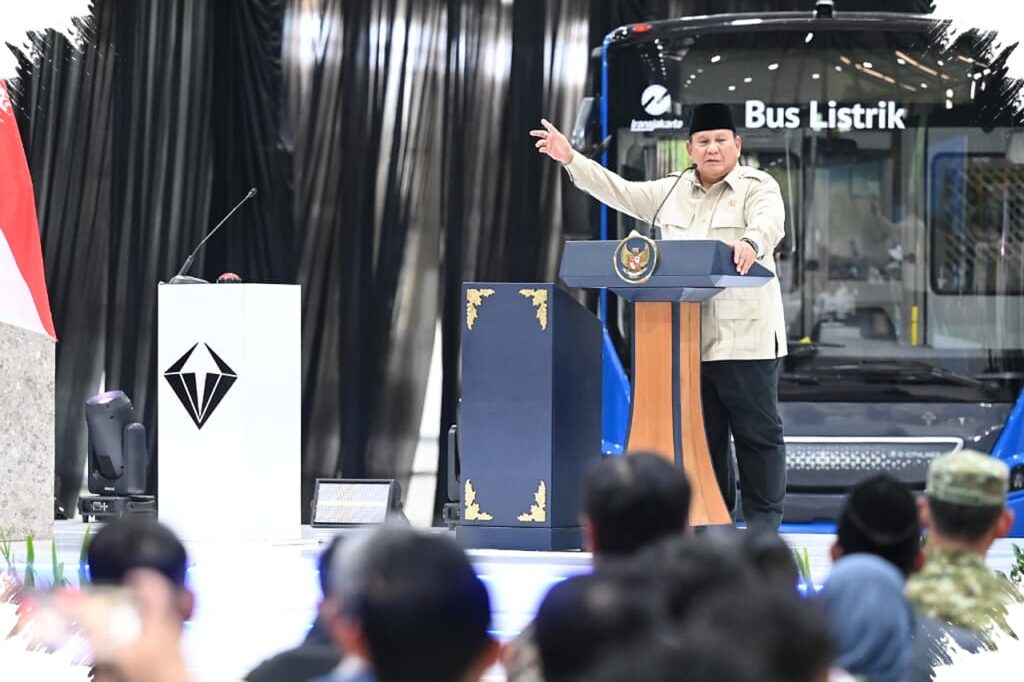
Prabowo Subianto inaugurated VKTR’s electric commercial vehicle assembly plant in Magelang, Central Java, on Thursday, April 9, 2026, in a move that adds new momentum to Indonesia’s electric mobility push. The facility is designed to produce up to 3,000 units per year and gives VKTR a stronger industrial foothold in the country’s growing EV ecosystem.
What drew extra attention at the launch was not only the factory capacity, but also the naming concept behind VKTR’s electric trucks and buses. The company uses names inspired by Indonesia’s rivers and mountains, turning local geography into part of its product identity.
A factory built for electric commercial vehicles
VKTR’s new plant focuses on commercial EV assembly, a segment that matters for public transport and logistics. During the inauguration, Prabowo reviewed the production line and also inspected electric buses that have already been used by TransJakarta and Suroboyo Bus.
The factory launch matters because commercial vehicles often set the pace for broader EV adoption. Buses and trucks travel long distances, consume large amounts of fuel, and can create major emissions in urban and industrial corridors.
By shifting this segment toward electric power, Indonesia can reduce fuel dependence while supporting local manufacturing. That is why the Magelang plant is seen as more than a ceremonial opening, but as part of a wider industrial transition.
Why VKTR uses river and mountain names
VKTR has built a distinctive naming system for its lineup by drawing from Indonesia’s natural landscape. The company appears to want each model to carry a local identity that feels familiar to domestic buyers while still looking marketable for future export potential.
On the truck side, the names include Musi HDT 64 L, Progo HDT 64 S, Ombilin LDT 42 M, Indragiri LDT 42 S, Kapuas, and Sambas. Each name comes from a river or region strongly associated with Indonesia’s geography and economic life.
On the bus side, VKTR uses mountain names such as Tidar HF 12, Cartensz LF12, Arjuno HF 8, Ijen LF 8, and Lokon Transporter. The naming scheme gives the lineup a narrative that connects mobility technology with national identity.
Examples of VKTR’s local model names
| Vehicle segment | Model name | Local reference |
|---|---|---|
| Truck | Musi HDT 64 L | Musi River, South Sumatra |
| Truck | Progo HDT 64 S | Progo River, Central Java |
| Truck | Ombilin LDT 42 M | Ombilin River, West Sumatra |
| Truck | Indragiri LDT 42 S | Indragiri River, Riau |
| Truck | Kapuas | Kapuas River, West Kalimantan |
| Truck | Sambas | Sambas, West Kalimantan |
| Bus | Tidar HF 12 | Mount Tidar, Magelang |
| Bus | Cartensz LF12 | Puncak Jaya / Carstensz area |
| Bus | Arjuno HF 8 | Mount Arjuno, East Java |
| Bus | Ijen LF 8 | Mount Ijen, East Java |
| Bus | Lokon Transporter | Mount Lokon, North Sulawesi |
This naming strategy also works as a branding tool. It makes the product line easier to remember while giving VKTR a national flavor that foreign competitors usually lack.
Prabowo’s response and the strategic message
Prabowo welcomed the use of local names and called it a positive example of how industry can reflect Indonesian wisdom. He also linked the EV push to national energy independence, saying the country must reduce reliance on imported fuel.
That message fits a broader policy direction that many governments are now pursuing. Electric mobility can help cut oil consumption, lower emissions, and strengthen domestic supply chains if local production scales up successfully.
His remarks also suggest that EV development is no longer treated only as a climate issue. It is increasingly framed as an industrial strategy, an energy-security policy, and a way to build stronger national competitiveness.
What the plant launch means for Indonesia’s EV industry
The new VKTR plant adds local manufacturing capacity at a time when Indonesia is trying to deepen its EV ecosystem. If the company can sustain production and expand demand, it may help create jobs, attract suppliers, and improve technical know-how in the commercial vehicle segment.
The use of Indonesian geographic names also adds a cultural layer to that industrial story. It shows that EV products do not need to rely only on global-tech branding, because they can also carry a distinctly local identity.
For customers and fleet operators, that identity may not be the main reason to buy. Still, it can strengthen recognition and help VKTR position itself as a homegrown player in a market where trust, durability, and service support matter greatly.
Anindya Bakrie, VKTR’s president commissioner, said the local naming approach is part of a strategy to build a national product identity and introduce Indonesia’s richness to the global stage. That positioning matters as the company tries to compete in a segment where practical performance must align with brand credibility.
The inauguration in Magelang therefore marked two things at once: a new industrial facility for electric commercial vehicles and a branding move that ties mobility to Indonesia’s rivers and mountains. For VKTR, names like Musi, Indragiri, Tidar, and Lokon are not just labels, but part of a larger effort to make electric transport feel rooted in Indonesia’s landscape and future.