Motorola has officially expanded its tablet lineup in the U.S. with the Moto Pad 2026, a 5G-enabled Android tablet sold exclusively through T-Mobile and Metro by T-Mobile. The device stands out because Motorola rarely launches tablets in the U.S. market, and this model appears aimed at buyers who want modern features without paying premium prices.
The timing is also notable because demand for affordable connected tablets remains strong. Motorola is positioning the Moto Pad 2026 as a practical device for streaming, online learning, light productivity, and everyday browsing, with 5G support adding mobility that many budget tablets still lack.
A budget tablet with a sharper display
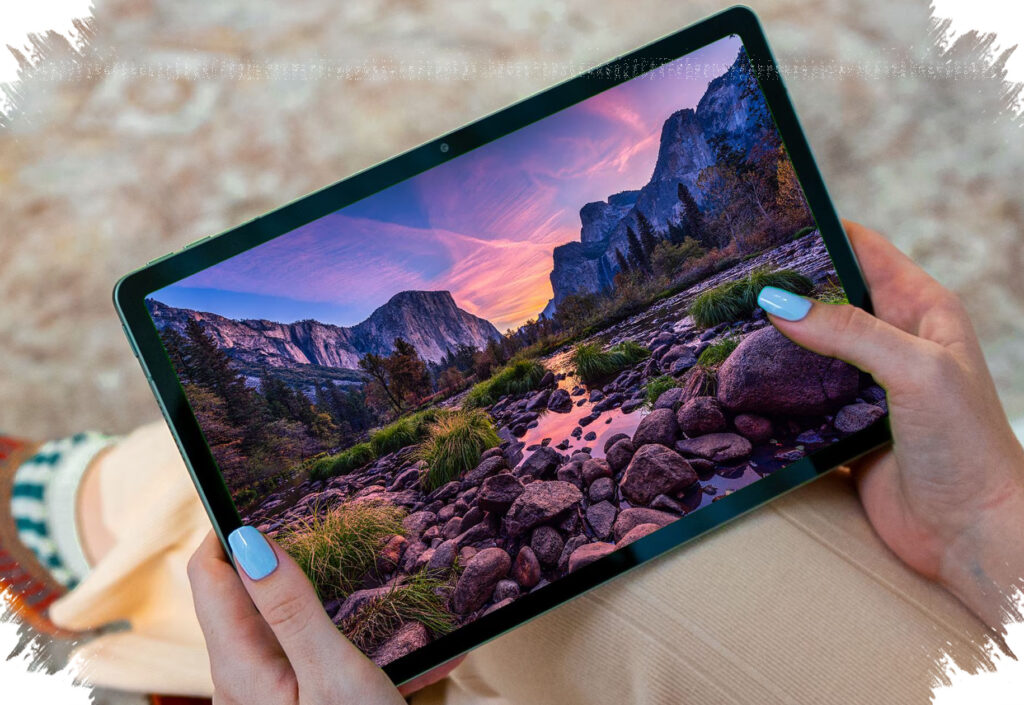
Moto Pad 2026 comes with an 11-inch LCD display and 2.5K resolution, which should give it an advantage over many entry-level tablets that still use lower-resolution panels. The screen also supports a 90Hz refresh rate, a feature that can make scrolling, app switching, and casual entertainment feel smoother.
That combination makes the tablet more appealing for users who spend a lot of time watching videos, reading documents, or browsing the web. In the budget segment, a larger and sharper display often becomes one of the biggest selling points, especially for families and students.
The tablet is also equipped with quad stereo speakers and Dolby Atmos support. For a device in this class, that audio setup could improve movie playback and video calls, two use cases that matter a lot for affordable tablets.
Key specifications at a glance
Here is a simplified look at the main hardware Motorola has confirmed:
- 11-inch LCD display
- 2.5K resolution
- 90Hz refresh rate
- MediaTek Dimensity 6300 chipset
- 8GB RAM
- 128GB internal storage, expandable
- 7,020mAh battery
- 20W charging
- 8MP rear camera
- 5MP front camera
- 5G connectivity
- Smart Connect support
The Dimensity 6300 places the Moto Pad 2026 in the midrange category rather than the premium one. Motorola is not trying to compete with flagship tablets here, and the rest of the configuration confirms that this is a device designed for efficiency and value.
Performance aimed at everyday tasks
With 8GB of RAM and 128GB of storage, the Moto Pad 2026 should handle typical daily tasks with little trouble. That includes web browsing, note-taking, streaming, email, and running multiple light apps at the same time.
The chipset choice also suggests solid enough performance for casual users, but not for demanding workloads. Video editing, advanced gaming, and heavy creative work will likely push the tablet beyond its comfort zone, which is normal for a device expected to land in the lower price tier.
Motorola has seen success using the MediaTek Dimensity 6300 in other products too, including the Moto G Power 2026. That decision may help the company keep costs down while still offering a familiar and proven platform.
Battery life and charging are part of the trade-off
One of the strongest parts of the Moto Pad 2026 is its 7,020mAh battery. That capacity should support long viewing sessions and all-day light use, which is important for a tablet built around portability and affordability.
The downside is its 20W charging speed. That is not particularly fast by 2026 standards, so users may need to spend more time plugged in compared with tablets that support higher-wattage charging.
Still, for many buyers in this category, long battery life matters more than rapid charging. A tablet that can last through classes, travel, or a full evening of streaming is often more valuable than one that refills quickly but drains faster.
Design and software convenience
Motorola is also giving the tablet a more refined appearance with a dual-tone metal finish in PANTONE Bronze Green. The color choice and material presentation help the device look a bit more premium than many budget competitors.
Another notable feature is Smart Connect, Motorola’s cross-device experience that lets users sync files, mirror apps, and move activity between devices more easily. This feature could appeal to buyers already using Motorola phones or a nearby PC setup for school and work.
The company is clearly trying to make the tablet feel more connected to its ecosystem rather than just selling it as a standalone media device. That strategy may help Motorola build stronger long-term value in the Android tablet segment.
Why the 5G angle matters
5G remains one of the Moto Pad 2026’s biggest differentiators. Many low-cost tablets still rely heavily on Wi-Fi, which limits how flexible they are outside the home or office.
For users who want to stay connected on the move, mobile data support can be a major advantage. It also makes the tablet more useful for commuting, remote learning, or quick work sessions when Wi-Fi is unreliable.
Availability and market position
Motorola plans to sell the Moto Pad 2026 only through T-Mobile and Metro by T-Mobile, with availability starting on April 30. The carrier-only strategy suggests Motorola may be aiming for bundled pricing or installment plans that make the tablet easier to buy.
Pricing has not been announced yet, but all signs point to an aggressive entry-level position. If Motorola keeps the cost low, the Moto Pad 2026 could become one of the more interesting affordable 5G tablets in the U.S. market, especially for buyers who value a big screen, expandable storage, and reliable battery life in one compact package.