The choice between iPhone and Android is not only about design, camera quality, or brand prestige. It is also about how much control you want over your phone, and how much control you are willing to give to the operating system.
That is the core idea behind a recent gadget discussion shared by content creator Kisen Kumar on his account @kisenkumar24. He argued that many people choose Android over iPhone for a simple reason: “Not everyone wants to be controlled.”
A choice between freedom and rules
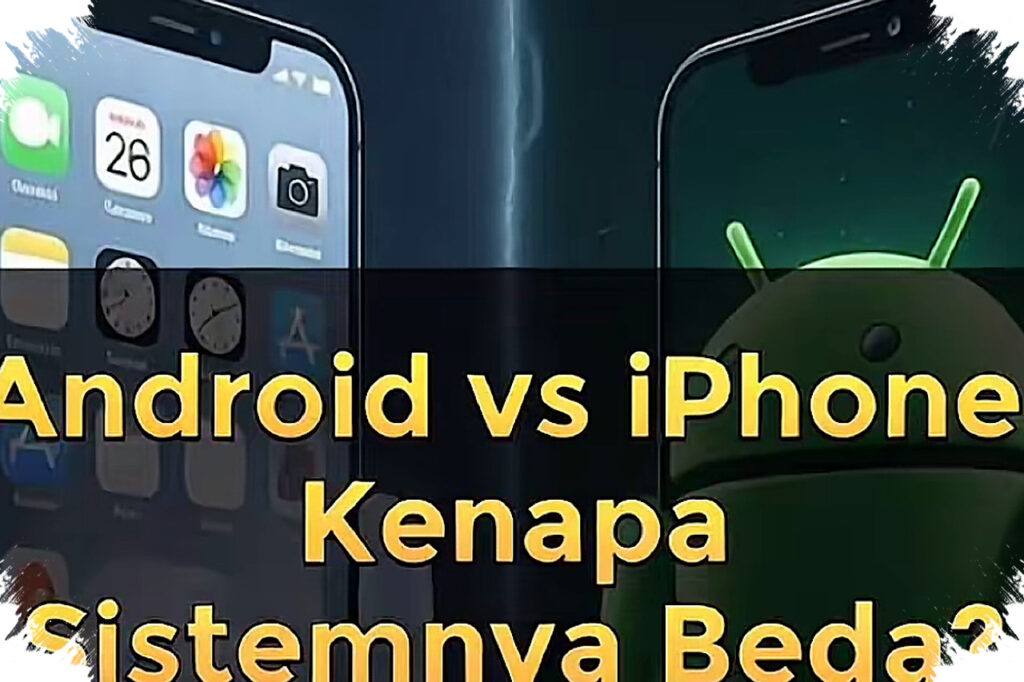
Android and iPhone reflect two different philosophies in smartphone use. Android gives users more room to customize, while iPhone offers a more controlled experience built around Apple’s rules.
On Android, users can install a wider range of apps, change the look and feel of the interface, and choose devices across a broad price spectrum. That flexibility makes Android attractive to buyers who want more control over their phone and budget.
iPhone works differently. Apple limits how the system can be changed, but those limits help keep the experience consistent. For users who prefer a phone that works in a predictable way, that structure can feel easier and safer.
Why many users prefer Android
Android’s biggest strength is freedom. Users can pick from many brands, many price points, and many styles of user interface.
Here are some of the main reasons people choose Android:
- More device options across budgets.
- Greater customization for themes, layouts, and apps.
- Wider flexibility in setting up the phone the way they want.
- Less dependence on a single ecosystem.
This openness is one reason Android remains the world’s most widely used mobile operating system. According to StatCounter’s global mobile OS share data, Android has consistently held the largest share of smartphone users worldwide, while iOS remains strongest in premium markets and in countries where Apple devices are more affordable relative to income.
Why iPhone feels simpler
iPhone users often describe the device as easier to use, more stable, and more polished. That experience comes from Apple’s tighter control over hardware, software, and app distribution.
Apple’s model reduces variation across devices, which helps keep performance more uniform. That is why many users say iPhone feels smoother over time, especially when compared with lower-end Android phones that may receive fewer software updates.
The trade-off is clear. Apple gives users less freedom, but it also reduces complexity. For people who want a phone that does not require much adjusting, that limitation can feel like a benefit.
What the rules mean in practice
Kisen Kumar’s point can be understood as a basic user psychology issue. Some people enjoy managing settings, changing interfaces, and testing different apps. Others want the phone to stay out of the way and simply work.
The difference often looks like this:
| User need | Android | iPhone |
|---|---|---|
| Customization | High | Low |
| App flexibility | High | Moderate |
| Interface control | High | Limited |
| Simplicity | Depends on device | High |
| System consistency | Varies | Strong |
This is why debates about Android versus iPhone are often less about technical specs and more about personal habits. The same phone can feel empowering to one user and annoying to another.
Stability is not always the same as freedom
One common claim in favor of iPhone is that it is more stable. That is often true in everyday use, but the reason matters.
Stability usually comes from Apple’s closed system, where software updates, hardware design, and app approval all follow the same rules. That structure reduces compatibility problems and helps Apple maintain a uniform user experience.
Android can also be stable, especially on flagship devices from major brands. But because Android runs on many different phones from many manufacturers, the experience can vary more widely. A premium Android phone and a budget Android phone can feel like two very different products.
How to choose based on your habits
The better choice depends less on hype and more on how you actually use a phone. If you value control, customization, and more choices, Android is the stronger fit.
If you value consistency, simplicity, and a system that asks less from you, iPhone may be the better match. The key is to understand that both systems make trade-offs, and those trade-offs are intentional.
For buyers in 2026, the discussion is also shaped by price. Android still offers more entry-level and midrange options, while iPhone continues to position itself in the premium segment. That difference matters for users who want to balance features with total cost.
In the end, the Android versus iPhone debate is not just about which phone is better on paper. It is about whether you want a device that lets you do things your own way, or one that keeps things neatly arranged so you can use it with fewer decisions every day.