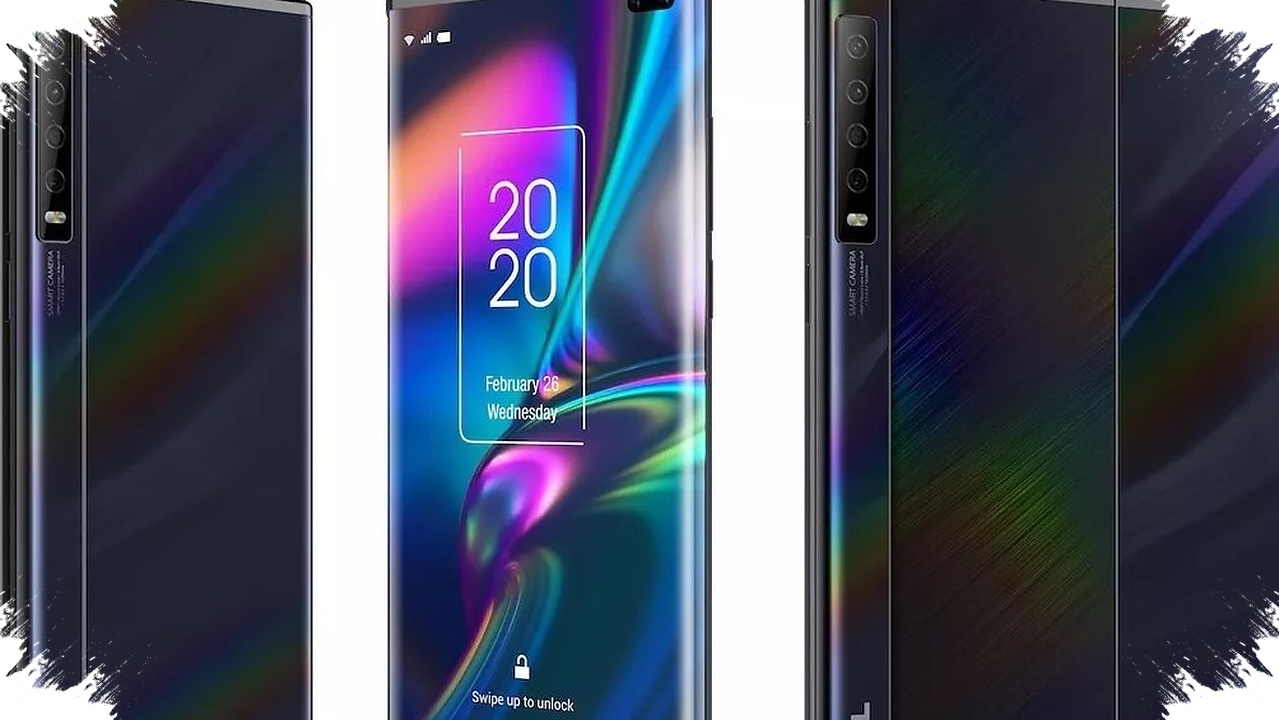
Rollable phones are shaping up to be one of the most closely watched smartphone trends of 2026. Unlike foldables that bend on a hinge, these devices are designed to extend their display from a compact phone into a larger tablet-like screen.
That concept makes them attractive for users who want one device for messaging, streaming, gaming, and productivity. Based on the reference report and current industry direction, the first wave of rollable phones could arrive with flagship-grade hardware, premium pricing, and a design that tries to solve one of the biggest limits of today’s smartphones: screen size.
What makes a rollable phone different


A rollable phone uses a display that slides or rolls inside the body of the device. In compact mode, it behaves like a normal smartphone, but when expanded, it reveals a much larger screen for media and multitasking.
This makes the form factor less about folding in half and more about dynamically changing size. The appeal is clear, because users can carry a pocketable device without giving up the comfort of a larger display when they need it.
Expected screen size and display quality
Industry chatter suggests the screen could start at around 6 inches in its compact state and expand beyond 7 inches, with some estimates reaching 8 inches. That would place the device close to tablet territory while still keeping it portable.
To match flagship expectations, the display will likely use high resolution and a fast refresh rate. Those two elements matter because a rollable panel needs to look sharp in both modes and remain smooth during transitions, scrolling, and gaming.
Likely performance and hardware
If a rollable phone launches in 2026, it will probably rely on a top-tier chipset. That is important because the expanded display will demand stronger graphics performance, faster app switching, and better multitasking support.
Here is a simple snapshot of what buyers may expect:
- Chipset: Latest flagship processor
- Display: Flexible rollable OLED with high refresh rate
- Camera: Premium multi-camera setup
- Battery: Large battery with optimized power management
- Body: Slim design with a hidden rolling mechanism
Manufacturers will need to balance raw power with thermal control. A larger screen can increase power consumption, so efficient chip architecture and smart software tuning will be essential.
Battery life may become a key issue
Battery management is one of the biggest technical challenges for rollable phones. The device must support a regular phone-sized screen and a larger tablet-like mode, which increases power demand during video playback, gaming, and productivity use.
Reference coverage from the source stresses that battery technology must keep pace with the new design. That means brands will likely explore bigger batteries, more efficient panels, and refined power-saving software to protect daily endurance.
Camera systems should stay premium
Even with a futuristic body, camera expectations will remain high. The reference material suggests rollable phones will still use premium photography hardware, which makes sense because this type of product will likely target the flagship segment.
Consumers who pay for a cutting-edge form factor will expect advanced imaging features. That may include improved night performance, strong video stabilization, and AI-assisted processing to keep the device competitive with traditional premium phones.
Price expectations in USD
Rollable phones are expected to launch at a very high price point. The source notes that early prices will likely stay steep because the technology is still new and production remains complex.
For readers trying to estimate the market position, the first generation could easily sit in ultra-premium territory, likely above $1,500 and possibly much higher depending on brand strategy and launch market. As production improves and supply scales up, prices may slowly come down over time.
Why brands are interested in this format
The rollable design gives manufacturers a fresh way to stand out in a crowded smartphone market. Traditional slab phones have become visually similar, while foldables already occupy the premium innovation space.
A rollable phone offers a different promise: one device that can adapt to work and entertainment without exposing a visible hinge. That could appeal to consumers who want novelty, but also want a cleaner design with a more seamless transition between phone and tablet use.
Main challenges before mass adoption
The reference article highlights durability as a major concern. That is logical, because a rolling mechanism must operate reliably through repeated use over years without damaging the flexible panel.
Another concern is thickness. Engineers must hide the moving parts while keeping the phone slim enough to feel premium and practical. If the body becomes too bulky, the concept could lose part of its appeal.
The biggest hurdles for rollable phones are likely to be:
- Mechanical durability over long-term use
- Thin and light industrial design
- Stable display quality during extension
- Battery efficiency under heavier screen loads
- Cost reduction for wider adoption
What 2026 could mean for smartphones
If the rollout goes smoothly, 2026 could become a milestone year for flexible-display phones. The market may see rollables move from prototype curiosity into a real commercial category, especially if major brands decide to invest seriously.
That does not guarantee instant mass adoption, because high prices and technical risks will still matter. But the combination of a pocketable body, a larger display on demand, and flagship-level hardware gives rollable phones one of the strongest innovation stories in the next smartphone cycle.