


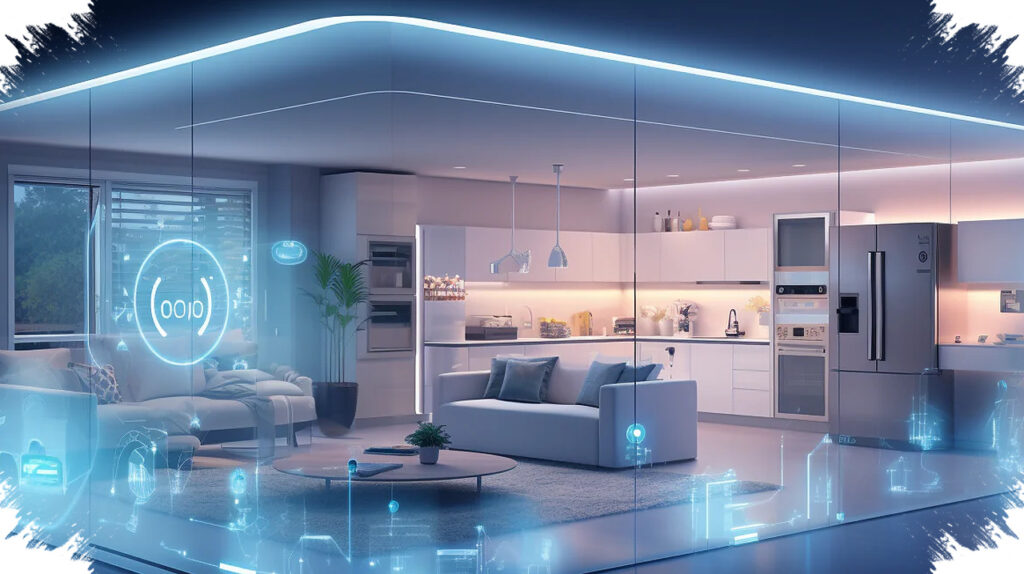
AI Home is moving beyond the idea of a connected house. It is becoming a system that can understand routines, adjust to habits, and reduce the effort required to run a modern household.
That shift is central to LG Electronics’ strategy, which it presented at LG InnoFest 2026 in Busan, South Korea. The company said the next phase of smart living will not be defined by isolated devices, but by an ecosystem that works together around the people inside the home.
A smarter home starts with human behavior
LG describes AI Home as a form of artificial intelligence built from human context, not just from hardware features. Jaeseung Kim, Regional CEO of LG Electronics Asia Pacific, said the company is building a future of smart living that is centered on people and powered by AI.
“AI Home begins with people, not technology. At its core is Affectionate Intelligence — AI that understands context, learns from daily life, and responds with care,” Kim said.
That idea matters because modern homes no longer serve only as places to sleep and store belongings. They now need to support work, rest, family routines, and energy management at the same time, often for several people with different schedules and needs.
From standalone appliances to one connected ecosystem
The key change in AI Home is that devices stop acting like separate tools. A refrigerator, washing machine, air conditioner, robot vacuum, and entertainment device can all connect through the LG ThinQ platform and coordinate tasks automatically.
- A refrigerator can adjust cooling based on usage patterns.
- A washing machine can select an efficient wash cycle on its own.
- A robot vacuum can clean according to household routines without much manual input.
This level of coordination changes the role of the home itself. Instead of waiting for commands, the house begins to respond to daily behavior and support household operations in the background.
Why automation now matters more
Demand for this kind of system is rising because urban life has become faster and more compressed. Many households now face tighter schedules, longer work hours, and higher expectations for convenience, which makes time-saving technology more valuable than simple feature upgrades.
LG frames this goal as a Zero Labor Home, a home that reduces domestic workload through automation. That does not mean removing human control, but it does mean less repetitive management of routine chores, settings, and monitoring.
The practical advantage is clear. Appliances that can detect conditions and adjust themselves can save time, reduce attention needed for basic tasks, and help households manage daily life more smoothly.
Energy efficiency is becoming part of convenience
AI Home is also relevant because it can help control energy use. Devices that learn behavior patterns may optimize performance automatically, which can lower unnecessary consumption and improve overall efficiency.
That is important as more households try to balance comfort with rising energy awareness. Smart cooling, adaptive washing cycles, and coordinated device scheduling can all contribute to more disciplined power use without demanding constant user input.
The following table shows how the concept is expected to affect the home experience:
| Household need | Traditional approach | AI Home approach |
|---|---|---|
| Daily chores | Manual control | Automated support |
| Device operation | Separate and manual | Connected and adaptive |
| Energy use | Fixed settings | Pattern-based optimization |
| User experience | Generic | Personalized |
Why this model fits modern households
AI Home is gaining traction because it matches the way people now live. Homes must adapt to changing routines, different preferences, and the growing expectation that technology should be helpful without becoming complicated.
Several factors explain its rising relevance:
- It improves comfort because devices work more independently.
- It saves time by simplifying repetitive tasks.
- It supports energy efficiency through adaptive settings.
- It creates a more personal experience based on household behavior.
- It fits a lifestyle that values practicality and integration.
This is also changing how appliance makers position their products. They are no longer selling only refrigerators, washers, or cleaners. They are building service layers and connected systems that can deliver a broader living experience.
Industry direction is shifting toward smart life solutions
LG says its long-term transformation is moving toward a Smart Life Solution company. The company’s direction rests on three main pillars: AI-based homes, technology integration into daily life, and more personalized solutions.
That direction reflects a broader trend in the consumer technology market. The next stage of home innovation is likely to focus less on single-device performance and more on how well all devices work together to support real household needs.
As homes become more complex and expectations rise, AI Home is likely to move from a premium concept to a practical necessity. The modern household is increasingly dependent on systems that can understand context, adapt quickly, and reduce friction in everyday life.