


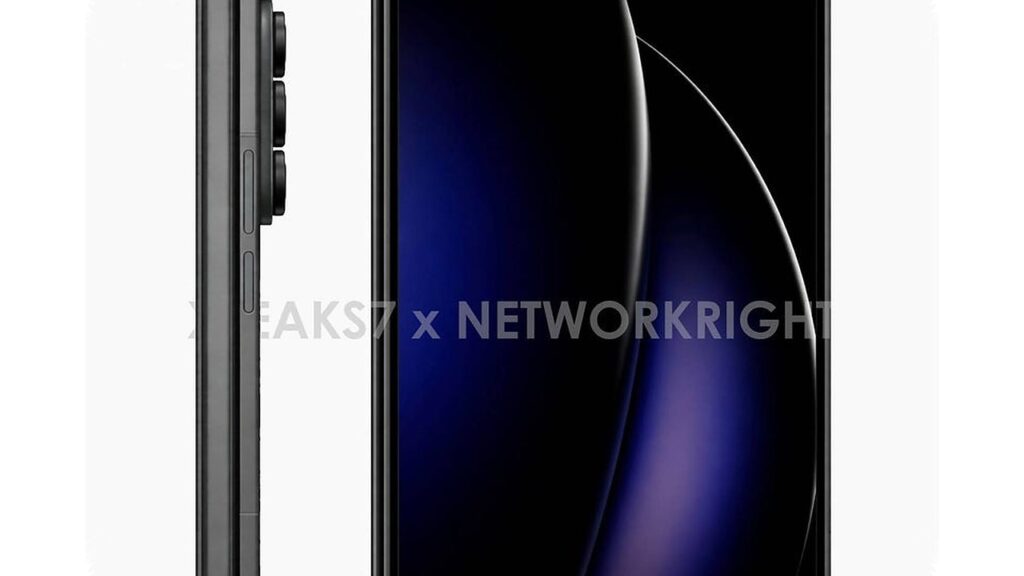
Samsung’s next TriFold device appears to be headed toward a more practical design, with the hinge emerging as the main area of change. The company is reportedly working on the Galaxy Z TriFold 2 with the goal of making the foldable body thinner, lighter, and easier to handle in daily use.
That shift matters because, in a tri-fold phone, the hinge affects far more than the act of opening and closing the screen. It also shapes the device’s thickness, weight, flexibility, and overall feel in the hand, which makes the redesign a central part of Samsung’s next step in foldable development.
A new hinge at the center of the redesign
Reports cited by Medcom say the new hinge solution is being built from the ground up to help reduce the device’s overall thickness. For a product like the Galaxy Z TriFold 2, that kind of redesign is not a minor adjustment but a major structural update.
The first Galaxy Z TriFold was said to measure 12.9 mm when folded. That figure shows why Samsung still has room to narrow the body and move closer to the more comfortable dimensions that users usually expect from foldable phones.
Weight reduction is also a priority
Samsung is not focusing only on thickness. The company is also aiming to lower the weight so the Galaxy Z TriFold 2 does not feel too heavy during everyday use.
The first-generation model was reported to weigh around 309 grams. That level of weight can make a device feel less portable for some users, especially when compared with other foldables that still need to balance advanced hardware with mobility.
This approach suggests Samsung wants the next TriFold to feel less like a technical showcase and more like a device that can be carried and used more naturally throughout the day. In foldables, convenience remains just as important as innovation.
What the changes could mean for Samsung’s foldable line
The hinge work being developed for the TriFold 2 may not stay limited to that model alone. The same slimmer technology is said to have potential for use in other Samsung foldables, including the Galaxy Z Fold and Galaxy Z Flip.
If that happens, the effect could reach across Samsung’s wider foldable ecosystem. A thinner hinge design could serve as a foundation for future refreshes, giving the company a more consistent direction for its next-generation foldable devices.
Such a move would also show that the TriFold project is not just a separate experiment. Instead, its engineering progress could help shape the design language of Samsung’s more established foldable lineup.
Lessons carried over from the first TriFold
The first Galaxy Z TriFold was introduced as an experimental device with a three-fold screen concept that could transform into a 10-inch tablet. It was launched in limited form and discontinued shortly after its restricted market run.
Even so, Samsung appears to have continued refining the idea rather than abandoning it. The next version is described as aiming for a wider shape and a more advanced hinge system, showing that the company is still committed to exploring multi-fold designs.
That direction also suggests the first model served as a testing ground. Experience from that device may now be feeding into improvements in durability, structure, and handling for the next generation.
Why the hinge still matters most
In the foldable market, major gains often come from small mechanical changes that alter the whole user experience. A thinner hinge can reduce bulk without changing the core concept, while also helping a device feel more refined and easier to carry.
For Samsung, that balance is especially important with a tri-fold format that is already more complex than a standard foldable phone. The company appears to be trying to preserve the appeal of the multi-fold idea while removing some of the size and weight concerns that can affect daily use.
If the redesigned hinge delivers on those goals, the Galaxy Z TriFold 2 could become a meaningful step forward in Samsung’s foldable roadmap.