What the Reports Are Saying
The April Windows 11 update has drawn attention after several users reported that their PCs became stuck in a boot loop after installation. The issue has been tied to KB5083769, but the available reports do not suggest that the problem is spreading widely across the Windows 11 ecosystem.
Instead, the evidence points to a narrower issue that can still be severe for affected devices. For the users caught in it, the result can be a machine that repeatedly restarts, fails to recover normally, and becomes difficult to access without removing the update or using recovery tools.
How the Problem Appears on Affected PCs
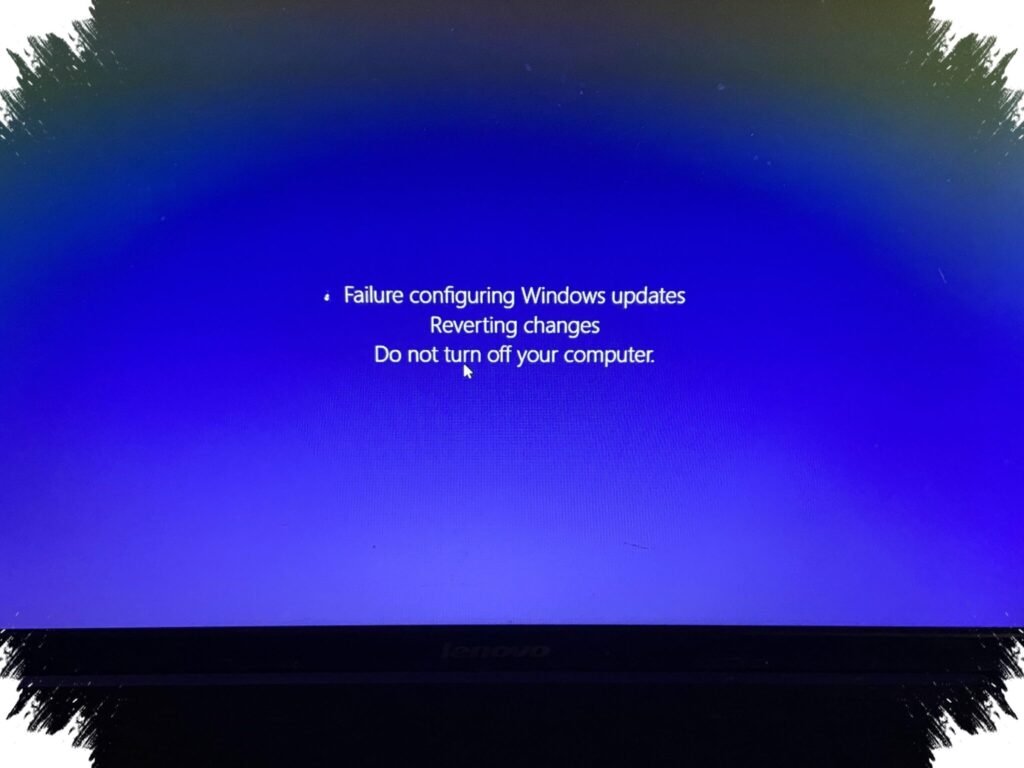
Some reports describe a sequence that begins with the system failing to enter Windows after the update is installed. The computer may restart again and again, show corrupted graphics, and then collapse into a crash before automatic repair can complete.
One of the most widely cited complaints came from a user named Vagabond Superstar on a Microsoft support forum. The post described an endless restart cycle that left the device effectively unusable until the update was removed or the system was restored through recovery options.
BitLocker Also Enters the Picture
The concerns are not limited to boot loops and BSOD reports. Some users also reported a BitLocker-related problem, where the system immediately entered a recovery screen and asked for a recovery key after the April Windows 11 update was applied.
Microsoft is said to have acknowledged this behavior, but the available explanation does not frame it as a flaw affecting every installation. The more likely interpretation is a mismatch involving security settings on certain devices rather than a universal failure in the update itself.
Why the Scope Still Looks Limited
Even though the consequences can be serious, the issue does not appear to affect a large share of Windows 11 users. The reports that have surfaced point more often to specific hardware and configuration combinations than to a broad system-wide pattern.
That distinction matters because many systems appear to continue working normally after the update. The problem seems concentrated in a smaller group of devices, which means the risk is real but not widespread across the entire platform.
Devices Most Often Mentioned
Among the reports circulating so far, HP and Dell devices are mentioned most frequently. That does not mean every PC from those brands is affected, and the available information does not support such a broad conclusion.
The more careful reading is that the issue appears linked to particular units or settings that have not yet been fully clarified. In other words, the update is not being presented as dangerous for all users, but it may interact badly with certain hardware or security configurations.
Why Users Are Still Paying Attention
Even a limited incident can damage trust when it affects access to a computer’s core functions. A boot loop or repeated crash can stop normal work immediately, while recovery may require steps that are not easy for average users.
In rarer cases, the reports suggest that even the repair tools can become difficult to access. That makes the situation more frustrating, because the machine is not only unable to boot properly but also harder to restore without technical help.
For now, the clearest picture is that KB5083769 has been associated with serious problems on a limited set of Windows 11 devices, including boot loops, BSOD behavior, and BitLocker recovery prompts. Most systems still appear unaffected, but the reports involving HP and Dell devices show that the impact can be disruptive when the update meets the wrong configuration.