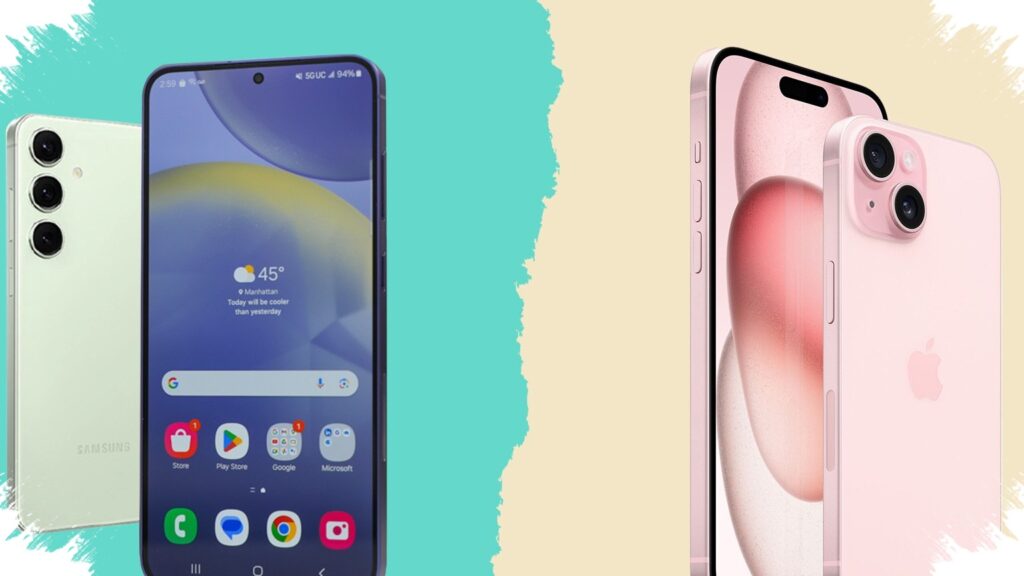
For many young buyers, the choice between Samsung and iPhone is no longer decided by hardware alone. The more powerful question is which phone fits the social image they want to project.
That shift helps explain why iPhone continues to hold a strong pull among Gen Z and Gen Alpha, even as Samsung delivers premium Galaxy models with features that are often ahead of Apple’s. In daily life, a phone now works as both a communication device and a visible marker of identity.
Status Has Become Part of the Buying Decision
In the United States, phone preference can shape how someone is received within a social circle. For younger users, the device in hand may matter as much as the conversation around it.
That social layer gives iPhone an advantage that goes beyond specifications. Many young people see it as an instantly recognizable visual language, while Android can still carry a stigma in some spaces.
One of the clearest examples is the “green bubble” effect in iMessage. For some teenagers and young adults, that simple color difference has become a reason for teasing, turning an ordinary messaging detail into a social signal.
Samsung’s Technical Strength Does Not Solve the Image Problem
Samsung is not short on products that can compete at the highest level. Its Galaxy flagship phones are described as offering many features that iPhone still lacks, and Samsung has also been selling foldable devices at scale for nearly a decade.
The company has also pushed Galaxy AI, which is considered better than Apple Intelligence at present. Even so, those strengths do not automatically change public perception.
That is the core challenge for Samsung. A phone can be impressive on paper, but that does not always make it the device people are eager to show off in public or on social media.
Culture Often Matters More Than Specs
Among younger generations raised with social media, product value is shaped by conversation and visibility. What matters is not only whether a device performs well, but whether it shows up in TikTok clips, group chats, and school lunch tables.
Buying decisions often form through friends, favorite creators, and social environments rather than through long review videos or store promotions. As a result, a product that appears often in everyday conversation has a better chance of becoming the default choice.
Apple has benefited from that kind of cultural repetition. iPhone appears in the same digital spaces as peers, influencers, musicians, and creative figures who often use MacBooks in photos and videos.
Android Carries a Wider Reputation Burden
Samsung also has to deal with the broader image of Android itself. Because Android powers devices across a wide range of quality levels, weaker or cheaper phones can leave a negative impression that spills over onto more premium models.
That means Samsung must do more than prove Galaxy is better than many other Android phones. It also has to separate its image from the general assumptions attached to the platform.
The brand has worked to place Galaxy above the rest of the Android field, but strong cultural relevance has remained difficult to secure. Even a feature-rich flagship does not always become a cultural reference point in the way iPhone does.
Why Hardware Alone Is Not Enough
The gap Samsung faces is not simply a marketing failure. It is also structural, built from social habits, status symbols, and the way younger audiences consume media.
A polished and expensive campaign may still fail if it feels too manufactured. For a generation that has grown up around digital advertising, something that looks overly staged can come across as just another promotion rather than a moment worth talking about.
That is why Samsung may need a genuinely organic cultural trigger. It could come from a product, a collaboration, or a moment that feels natural rather than planned in a long marketing meeting.
Until that happens, Samsung is likely to remain in an unusual position. Its phones can earn respect from tech reviewers, but that does not automatically make them the devices teenagers want to display when they are with friends or posting online.