


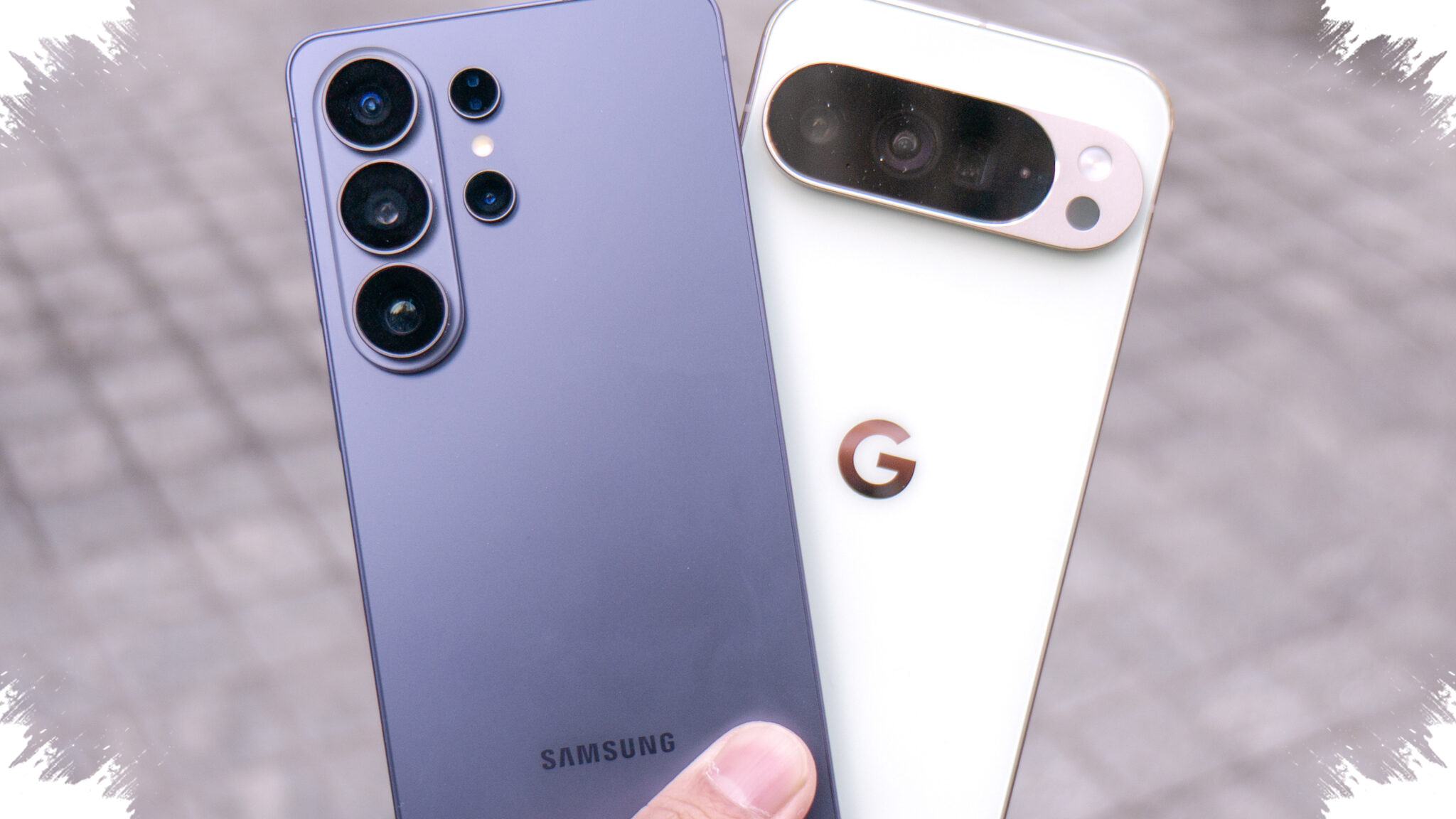
Google’s latest pricing move makes the Pixel 10 family harder to ignore, especially at a time when many flagship phones continue to climb in cost. At the same time, early details around the next Galaxy Ultra and OnePlus’ performance-focused compact phone show how sharply Android makers are diverging in what they want to emphasize next.
The most immediate headline is Google’s price cut across the Pixel 10 lineup through the Google Store. The Pixel 10 now starts at $599, which is $200 below its earlier price, while the Pixel 10 Pro and Pixel 10 Pro XL each drop by $250.
Google pushes Pixel 10 lower
The Pixel 10 Pro Fold gets the largest reduction in the family, falling by $300 to $1,499. This is not an isolated move from Google, since similar discounts have appeared several times since the Pixel 10 series launched.
That pricing approach keeps the line competitive even as rivals raise their own asking prices. It also supports Google’s broader effort to draw more users into its ecosystem, with Google AI bundled on the Pro models remaining part of that strategy.
OnePlus 15T looks unusually strong at the same price level
At around the same price point as the base Pixel 10, OnePlus 15T is drawing attention for a different reason. Marcus Herbrich of NotebookCheck says the phone can challenge even larger and more powerful OnePlus models.
Its main advantage is a 7,500 mAh silicon-carbon battery. OnePlus pairs that with 100 W wired charging and 50 W wireless charging, which gives the device a clear hardware identity centered on endurance and charging speed.
In a practical battery test with screen brightness set to 150 cd/m², the OnePlus 15T lasted almost 1.5 days. The phone is still available only in its China variant for now, although a global launch is expected soon.
Samsung’s Galaxy S27 may drop a familiar camera setup
Samsung is already facing scrutiny over the early direction of the Galaxy S27 camera system. The phone is still in the early stages of development, but the first details suggest a meaningful change in the Ultra model’s optics.
IceUniverse says the Galaxy S27 Ultra will remove the 3x telephoto camera. That lens has often been criticized for being small and unconvincing, but the leak suggests Samsung is not merely changing its specifications and is instead removing it from the setup entirely.
No replacement configuration has been detailed yet. Even so, the reported shift points to a broader rethink of how Samsung wants to shape its next flagship camera hardware.
Silicon-carbon batteries are spreading beyond one brand
The same battery technology that helps define the OnePlus 15T is also heading to Motorola’s next foldables. The Razr Ultra 2026 and Razr Fold are set to bring silicon-carbon batteries to the US market for the first time.
Brady Snyder notes that the two phones will be easier for American buyers to access. Razr Fold will arrive through T-Mobile, Xfinity Mobile, and Verizon in the coming months, and both devices will also be sold through wider retail channels.
Carrier availability matters because many US buyers still rely on operator deals when choosing a phone. That makes the arrival of higher-density battery tech in mass-market devices more relevant for the broader market.
Samsung and Google keep expanding beyond standard phones
Samsung is also moving further into Android XR. Its smart glasses are said to run Android XR and include a camera, speakers, and Google Gemini integration as part of the interface.
The design appears to avoid a display and instead hides the speakers, taking a path similar to Ray-Ban Meta and Oakley Meta products. Samsung is also reportedly working with Warby Parker and Gentle Monster for the frames, and Galaxy Glasses is planned as the company’s second Android XR product to be announced later this year.
On the software side, Google is widening picture-in-picture for YouTube users. The feature is already available to Premium subscribers, but Google plans to extend it more broadly over the next few months.
For non-Premium users outside the US, PiP will be available for long-form non-music content on Android and iOS. Premium Lite will also get PiP for long-form non-music videos, while full Premium access continues to include all content, including music.