


Samsung is pushing smartphone displays beyond simple viewing panels and into something far more active. At SID Display Week 2026 in the United States, the company showed off screen technologies aimed at health monitoring, privacy protection, and stronger image quality.
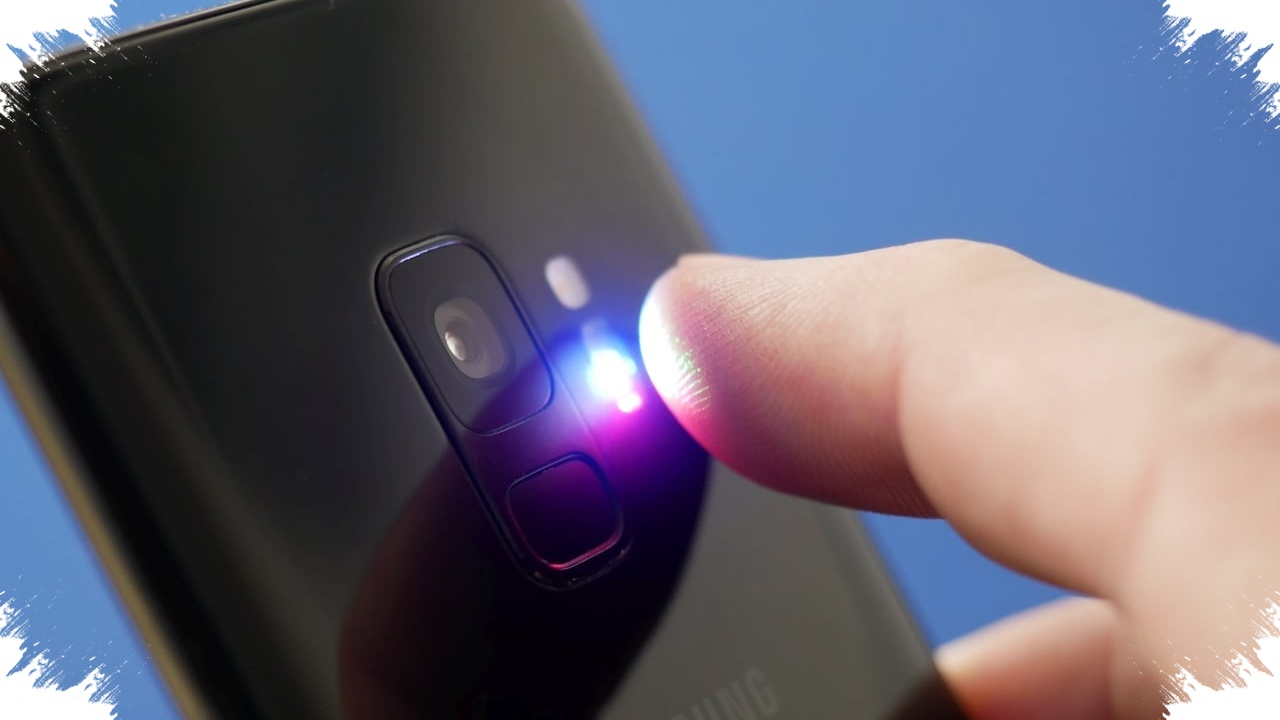
The most attention-grabbing concept was Sensor OLED, a display system that can measure heart rate and blood pressure when a user places a finger on the screen. If it reaches commercial devices, the feature could shift some functions that are usually tied to smartwatches or separate health tools into the phone itself.
A display that can read the body
Samsung said Sensor OLED works by using light emitted from the screen. That light reflects off the skin and is then captured by built-in sensors that read body data.
The idea changes the role of a display from a passive surface into a more interactive interface. Instead of only showing apps and videos, the panel could also support quick health checks without extra accessories.
That approach also fits the way smartphones are used every day. Because the screen is the part users touch most often, integrating health sensing into it could make fast measurements more practical.
Privacy becomes part of the screen
Samsung also highlighted Flex Magic Pixel, a technology designed to narrow the viewing angle so sensitive content is harder for people nearby to see. The feature is meant to be useful when a user opens private messages or health-related information in public.
The company said the viewing restriction is designed without affecting the experience for the main user. That matters as more sensitive tasks move onto phones and demand stronger visual protection.
Privacy control and screen versatility are increasingly linked in this direction. As displays take on more roles, the need to keep information visible only to the intended user becomes more important.
Brightness and color still matter
Alongside those new functions, Samsung introduced Flex Chroma Pixel to improve display quality. The technology focuses on high brightness and better color accuracy for next-generation premium devices.
Samsung said Flex Chroma Pixel can reach up to 3,000 nits of brightness. It also covers 96% of the BT.2020 color range, showing the company’s intent to deliver richer color while maintaining power efficiency.
For users, that combination matters in everyday conditions. Premium screens are still expected to stay bright, sharp, and accurate outdoors as well as when showing complex visual content.
What this says about Samsung’s display strategy
Taken together, Sensor OLED, Flex Magic Pixel, and Flex Chroma Pixel point to a broader plan. Samsung is not only working toward brighter or sharper panels, but toward displays that add new capabilities to the smartphone itself.
That direction is different from the usual focus on refresh rate, resolution, or size. In this case, the display becomes the center of health, security, and image performance all at once.
Samsung also showed a stretchable Micro LED display for automotive use and shared efficiency improvements for EL-QD. But for everyday phone users, Sensor OLED, Flex Magic Pixel, and Flex Chroma Pixel are the most relevant because they affect how a device can sense the body, protect private content, and present images at a higher level.
Samsung has not detailed any commercial rollout from the demonstrations. Even so, the message is clear: the next generation of phone screens may do far more than display what is on them.