


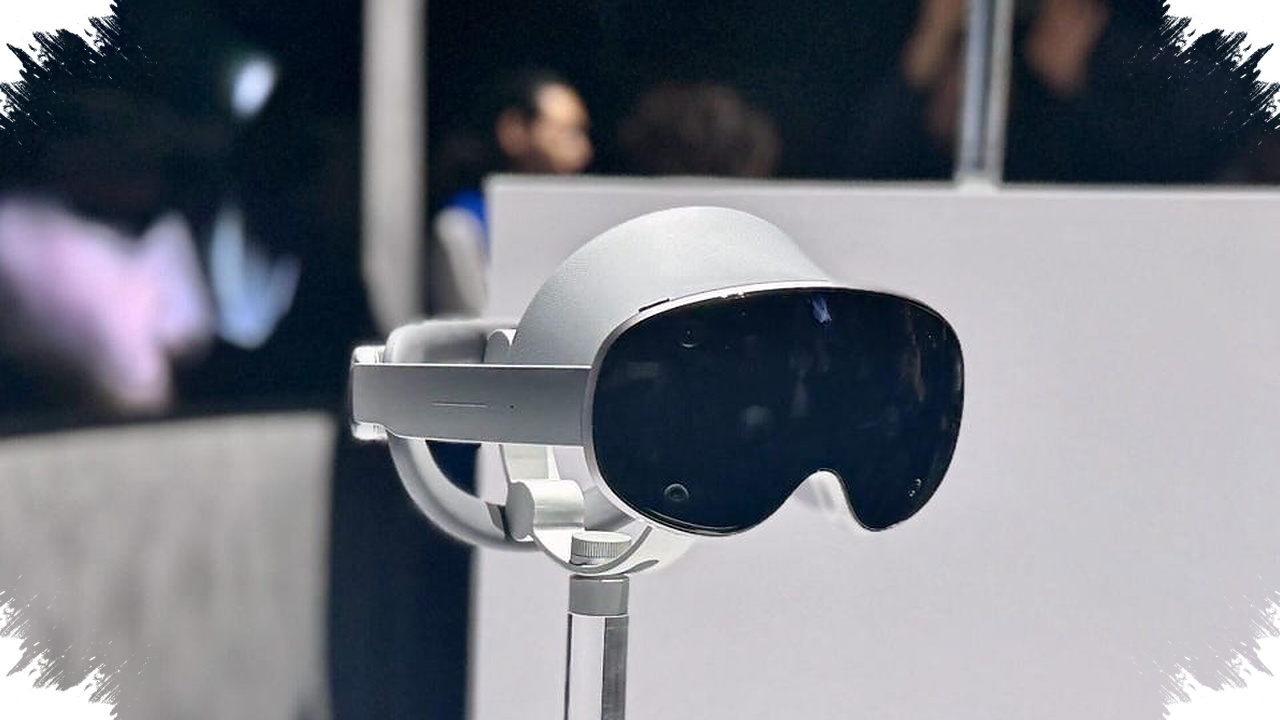
Samsung’s Galaxy Glasses are starting to look less like a rumor and more like a product taking shape inside the Galaxy ecosystem. A clear sign appeared in Samsung’s own software, where the device name now shows up and points to a smarter, faster pairing experience.
The strongest clue comes from Nearby Device Scanning, an app built into One UI on Galaxy phones and tablets. Since the app is designed to help nearby accessories connect, the appearance of Galaxy Glasses inside it suggests Samsung is preparing a serious level of integration.
The clearest detail is in the app’s changelog. It mentions support for “Glasses quick pair” and a pop-up battery indicator for glasses, which implies Samsung wants the connection process to feel as seamless as it already does for other Galaxy wearables.
That approach would fit the pattern Samsung users already know from Galaxy Watch and Galaxy Buds. Those devices can show battery levels directly on a phone or tablet, and Galaxy Glasses appear to be headed into the same convenience-focused system.
What the software clues suggest
The software trail does more than confirm a name. It also hints at how the glasses may behave once paired, with battery status visible on the Galaxy device itself instead of requiring constant checks through a separate app.
That kind of design would make the product feel more like a natural extension of the Galaxy lineup. It would also reduce friction for everyday use, especially if Samsung wants the glasses to work as an accessory that is always ready to connect.
Reports from GSM Arena add more pieces to the picture. The device is said to carry a 12MP camera and a 155 mAh battery, while also using Qualcomm’s Snapdragon AR1 chipset.
Those same details suggest the glasses will not include a display. Instead, they are said to rely on Wi-Fi and Bluetooth, which points to a lightweight smart-glasses concept rather than a display-heavy wearable.
Why the naming matters
The arrival of the Galaxy Glasses name inside official Samsung software gives the product identity more weight. For a device that has been discussed as a rumor for the past year, official ecosystem support is a stronger signal than design leaks alone.
Render images have also circulated, adding to the impression that Samsung is working on its first smart glasses. Still, the final version can change before any official reveal, so the current signs should be treated as early indicators rather than fixed specifications.
At the same time, Samsung’s foldable lineup is also attracting attention through leaked dummy units. Sonny Dickson shared photos on X showing three devices: Galaxy Z Fold 8 Wide, Galaxy Z Fold 8, and Galaxy Z Flip 8.
The Galaxy Z Fold 8 and Galaxy Z Flip 8 reportedly keep a design close to earlier renders. The Galaxy Z Fold 8 Wide stands out more, since it appears shorter and wider than the standard Galaxy Z Fold 8.
Foldables hint at Samsung’s broader strategy
The wider model is said to be linked to a 4:3 folding screen ratio. That layout could make the display feel more spacious for reading, watching video, multitasking, and opening apps.
The dummy units also show a circular pattern on the back of all three devices. That detail is believed to relate to a magnetic system or coil for Qi2 wireless charging, bringing a MagSafe-like magnetic approach to Samsung’s next foldables.
If that interpretation is correct, Samsung may be building a more organized accessory experience across both wearables and phones. The same ecosystem logic that appears to support Galaxy Glasses would then extend to its next-generation foldables as well.
For Galaxy Glasses, the likely launch window is now being tied to a summer Unpacked event in July 2026. If that schedule holds, Samsung would be introducing not only new foldables but also an AR-focused wearable that connects more tightly to Galaxy phones and tablets.