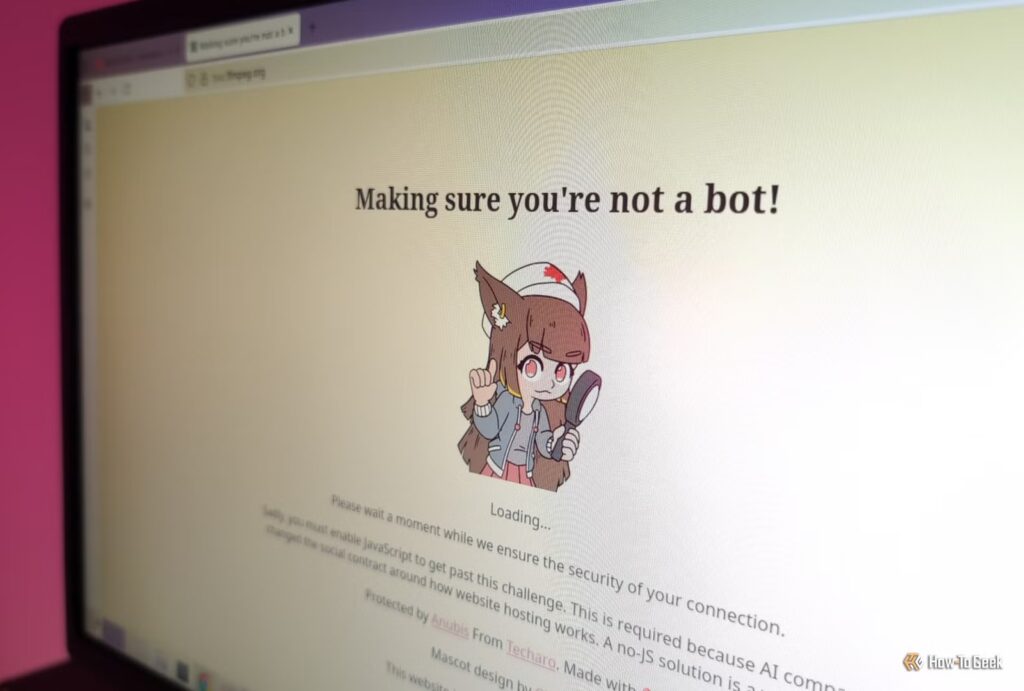
“Pardon Our Interruption” is a browser security message that appears when a website suspects unusual traffic. It usually means access has been temporarily blocked while the site checks whether the visitor is a real person or an automated tool.
The message explains that several browser settings or behaviors can trigger the interruption. Common causes include disabled JavaScript, disabled cookies, very fast browsing behavior, or browser extensions such as Ghostery or NoScript that stop scripts from running.
Why the message appears
Websites use this type of page to protect their systems from bots and other automated activity. The warning suggests that the browser may not be sending the signals the site expects, so the page asks the user to reload after enabling the needed features.
The notice also points to a support article for more information. That indicates the block is not always a final denial, but often a temporary check that can be resolved by adjusting browser settings.
What the page asks users to do
The instruction is direct: make sure cookies and JavaScript are enabled before reloading the page. The site also shows a “Please stand by” message, which signals that the page is being prepared and access may return shortly.
This kind of interruption is common on sites that want to balance accessibility with protection against suspicious traffic. For users, the key issue is usually the browser configuration, not the content of the page itself.
Typical triggers listed by the site
- JavaScript is turned off in the browser.
- Cookies are disabled.
- A browser extension blocks scripts from running.
- Browsing speed looks automated or unusually fast.
Because the notice is generic, it does not identify a single exact cause. Instead, it gives the most likely reasons so users can check their browser settings and try again.
The result is a temporary pause rather than a full explanation of what was being accessed. In practice, the page serves as a security checkpoint that asks the visitor to verify normal browser behavior before continuing.
Read more at: www.zacks.com