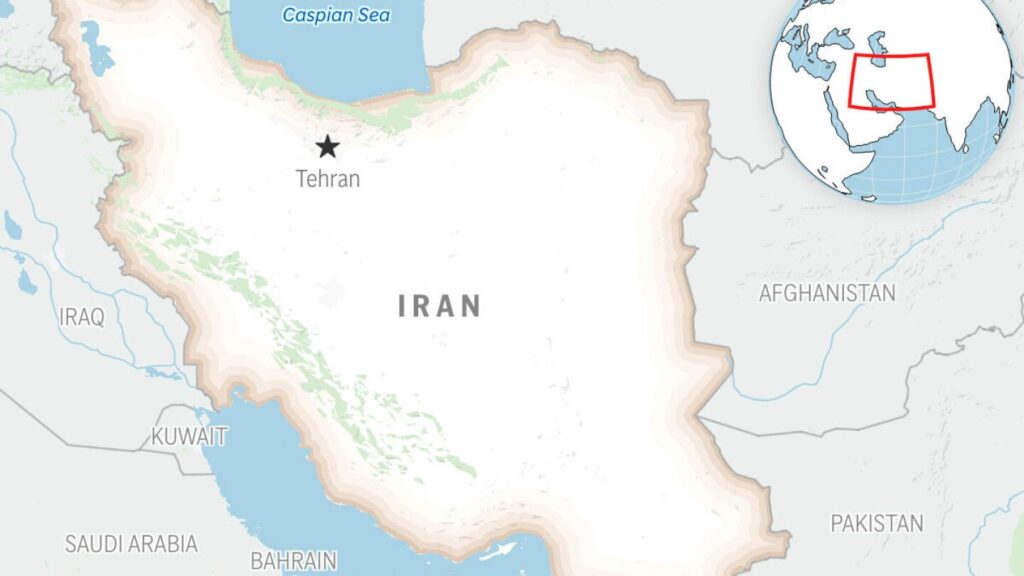
Iranian President Masoud Pezeshkian stated that his country is engaged in a full-scale war with the United States, Israel, and Europe. He emphasized that this conflict is more severe and complex than the Iran-Iraq war of the 1980s.
Pezeshkian made these remarks ahead of Israeli Prime Minister Benjamin Netanyahu’s meeting with U.S. President Donald Trump. The meeting, scheduled for Monday, is expected to focus heavily on the situation with Iran.
Comparison to Past Conflicts
Pezeshkian highlighted that the current war surpasses the Iran-Iraq war, which resulted in over one million casualties. He described the present conflict as “more complicated and more difficult” due to involvement from multiple Western powers.
Recent Military Actions
Recent strikes by Israeli and U.S. forces during a 12-day air campaign in June killed nearly 1,100 Iranians, including high-ranking military officials and nuclear scientists. Iran responded with missile barrages that caused 28 Israeli casualties.
Regional Security Implications
The escalation underscores increasing tensions in the Middle East. Iran’s leadership views Western actions as direct threats to national stability and sovereignty.
Key Points on the Conflict
- Iran faces opposition from the U.S., Israel, and European countries simultaneously.
- The conflict involves both military strikes and diplomatic confrontations.
- Casualties include prominent military and scientific personnel on Iran’s side.
- Iran’s retaliatory attacks have inflicted casualties in Israel.
- Talks between Netanyahu and Trump indicate ongoing international concern over the crisis.
The tensions between Iran and Western countries remain critical as diplomatic efforts and military actions continue in parallel. The upcoming U.S.-Israel talks may have significant consequences for the region’s future security landscape.