


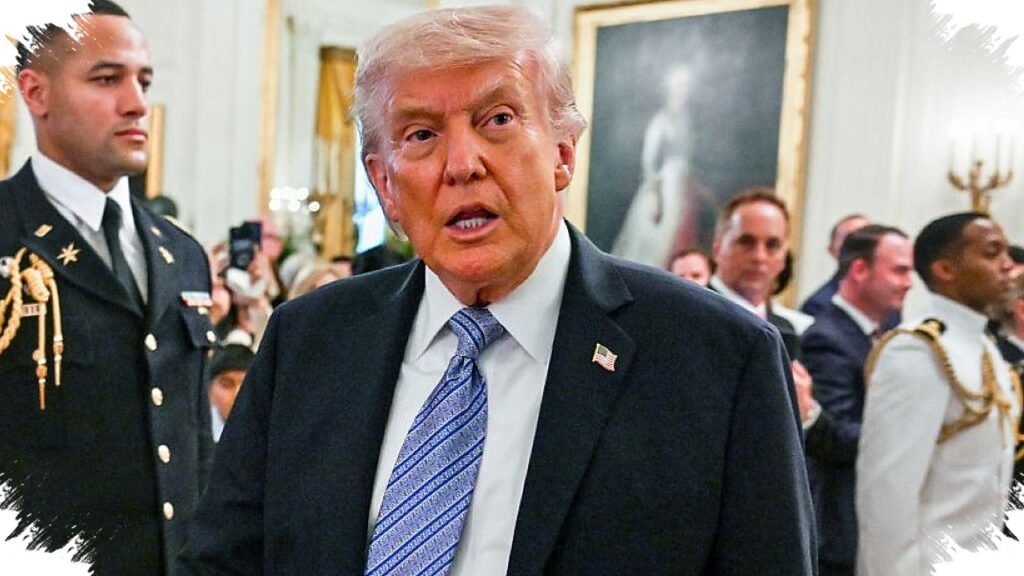
President Donald Trump said a peace deal with Iran could be reached within a week, and he ordered a pause in “Project Freedom” as negotiations continued. The move came after days of heightened tension in the Strait of Hormuz, where U.S. and Iranian forces have exchanged attacks and counterstrikes.
Trump told Fox News’ Bret Baier that the pause was meant to give diplomacy room to work. He also warned that if Iran does not accept the terms under discussion, the United States could launch a new wave of bombing tied to reopening the waterway.
Ceasefire holds as talks advance
Trump said Thursday that a ceasefire was still in effect, even after U.S. forces struck Iranian targets in response to attacks on American warships. Speaking to ABC News, he described the U.S. retaliation as “just a love tap” and said, “the ceasefire is going,” before adding, “It’s in effect.”
U.S. Central Command said American forces carried out “self-defense strikes” after three Navy destroyers came under missile and drone fire while transiting the Strait of Hormuz. CENTCOM said no U.S. assets were hit, and it identified the ships as the USS Truxtun, USS Mason and USS Rafael Peralta.
Strikes and counterstrikes in the Strait
The U.S. also targeted Iranian ports and naval sites along the strait, including Bandar Abbas, Qeshm and Bandar Kargan. Officials said the strikes were not meant as a restart of the war, while also insisting they did not amount to a breach of the ceasefire.
Trump later said on Truth Social that the destroyers passed through the strait “under fire” and that the Iranian drones were destroyed in the air. He added that the U.S. ships suffered no damage, while the Iranian attackers were hit hard.
Project Freedom faces regional friction
Project Freedom was announced as a naval mission to help reopen the Strait of Hormuz and guide ships through the passage. Trump paused the operation after announcing it, and a senior U.S. official said Saudi Arabia and Kuwait were briefly angry over the Pentagon’s response and temporarily halted permission for the U.S. to use their bases and airspace.
That restriction has since been reversed, according to the official. A separate report said the U.S. planned to restart Project Freedom soon after those restrictions were lifted, although no firm timeline was given.
Diplomacy, sanctions and pressure remain in parallel
The White House continues to pair the talks with pressure on Tehran and its network of support. Trump said he had a positive call with European Commission President Ursula von der Leyen and said the U.S. and EU were “completely united” that Iran can never have a nuclear weapon.
At the same time, the administration imposed new sanctions on Iraq’s deputy oil minister, Iran-aligned militias and related businesses accused of helping divert oil revenues to support Iranian-backed operations. Trump also warned that if Iran rejects the current proposal, strikes could become “much higher” in level and intensity.
Iran is now reviewing the latest U.S. proposal, while Pakistani Foreign Ministry spokesman Tahir Andrabi said he expects an agreement “sooner rather than later.” He said the goal should be a “peaceful and sustainable solution” that would support regional stability and international peace.
The wider standoff has also drawn in other actors, with Gulf states urging the United Nations to act against Iran’s closure of the Strait of Hormuz and with reports of a Chinese-owned tanker coming under attack near the same waterway. As the military and diplomatic tracks move at once, the immediate focus remains whether Trump’s pause on Project Freedom will help turn the ceasefire into a longer political deal with Tehran.
Read more at: www.foxnews.com