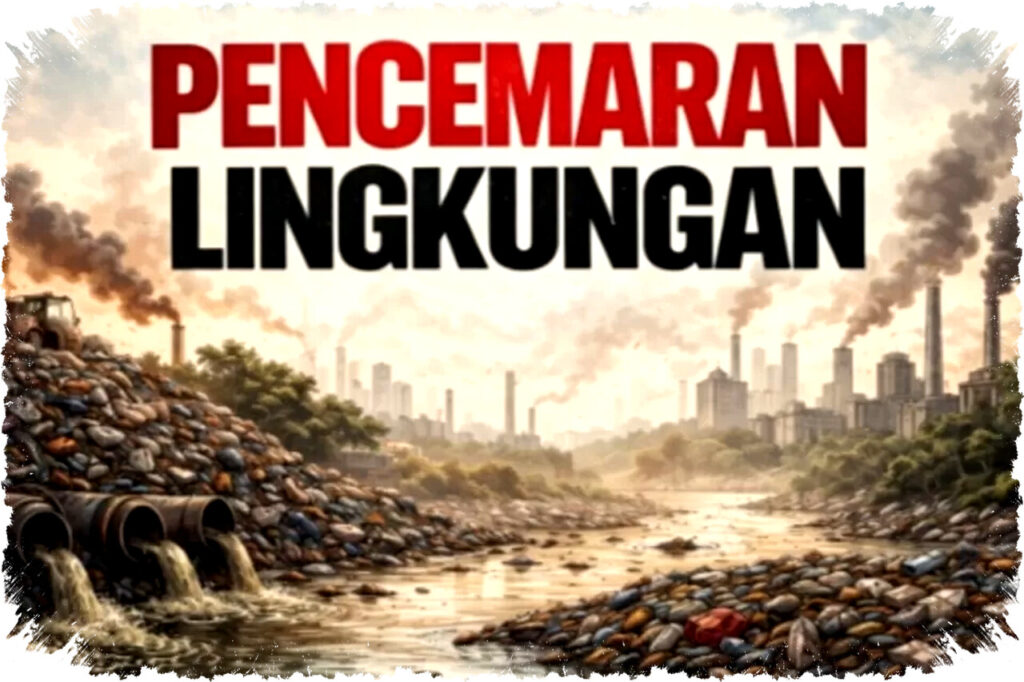
Environmental pollution has escalated into a critical threat affecting the air we breathe, the water we drink, and the soil beneath our feet. Current data from Indonesia’s Ministry of Environment and Forestry indicate alarming pollution levels, underscoring an urgent challenge that transcends mere environmental concerns. This predicament risks handing future generations a damaged planet lacking in essential resources.
Pollution is not just an abstract scientific issue; it directly impacts human life and ecosystems. Understanding the physical principles behind pollution helps contextualize its persistence and harm. Concepts like energy transfer, molecular structure, and matter changes highlight why pollutants remain in the environment for extended periods and disrupt natural balances.
Waste: A Small Problem with Explosive Consequences
Waste generation is a daily activity worldwide, primarily consisting of organic and inorganic materials. Organic waste, such as food scraps and plant debris, decomposes naturally within a short span. In contrast, inorganic waste, especially plastics and metals, resists breakdown due to their stable molecular structures. Hazardous waste, including used batteries and chemical residues, further complicates this issue with toxic properties.
Plastics are a prime example of materials that linger for centuries in soil and waterways. A discarded plastic bottle today may still be polluting the environment when future generations arrive. The persistent presence of such materials creates long-term environmental and health hazards that demand immediate attention.
Air Pollution: The Invisible Threat We Breathe
Air pollution occurs when harmful substances or energy enter the atmosphere, degrading air quality and endangering living organisms. Urban centers like Jakarta face severe air contamination, mainly from vehicle emissions, industrial processes, and biomass burning. Additional contributors are fossil fuel power plants and widespread forest fires.
The consequences of air pollution include respiratory illnesses, global warming, acid rain, and reduced visibility. Physics explains this through processes like diffusion and convection of particulate matter and gases. Notably, carbon dioxide traps infrared radiation, leading to the greenhouse effect, which raises global temperatures. This warming results in melting ice caps and rising sea levels, threatening human habitats worldwide.
To curtail air pollution, reducing private vehicle use and promoting public transportation are essential strategies. Planting trees, avoiding open waste burning, and supporting renewable energy adoption address pollution at its sources. Without such measures, the air we breathe will continue to decline in quality, endangering public health and ecosystems.
Water Pollution: From Vital Resource to Potent Danger
Water pollution involves the introduction of hazardous substances into bodies of water, compromising their quality and usability. Industrial discharges, household wastewater, agricultural pesticides, and oil spills are major pollutants contaminating rivers, lakes, and oceans. The quality degradation transforms water into a vector for diseases rather than a life-sustaining resource.
Impacts of polluted water are severe: aquatic life suffers oxygen depletion and death, ecosystems degrade, and humans face health risks such as skin infections and digestive disorders. Physics explains that industrial thermal pollution increases water temperature, elevating the kinetic energy of particles while reducing dissolved oxygen. This imbalance disrupts aquatic life, threatening biodiversity.
The visible signs of contamination include the discoloration of rivers and the absence of fish or aquatic plants. Such symptoms highlight the urgent need for effective water pollution control and sustainable waste management to preserve these critical ecosystems.
Key Sources and Effects of Environmental Pollution
Waste Pollution
- Sources: Domestic garbage, plastics, hazardous waste.
- Effects: Land contamination, long-term toxicity, disruption of biodegradation.
Air Pollution
- Sources: Vehicle emissions, industrial activities, burning of waste and forests.
- Effects: Respiratory problems, global warming, acid rain, reduced visibility.
- Water Pollution
- Sources: Industrial effluents, agricultural runoff, sewage discharge, oil spills.
- Effects: Aquatic life mortality, decreased oxygen levels, waterborne diseases.
A comprehensive response requires understanding these sources and their physicochemical impacts on environmental health.
Harnessing knowledge from physics clarifies how pollutants interact with natural elements, persist in environments, and accumulate harmful effects. Recognizing these mechanisms enhances efforts towards mitigation and remediation.
The interconnectedness of air, water, and soil pollution means each affects the other, magnifying overall environmental decline. For instance, airborne particles can settle into water bodies, contaminating them further. Addressing environmental pollution comprehensively necessitates integrated policies and community engagement.
Analyzing pollution through the lens of science provides insight into the urgency for sustainable development. It emphasizes the need for cleaner technologies, waste reduction, and ecosystem restoration to mitigate ongoing damage.
Efforts to combat pollution must prioritize education, infrastructure improvements, and strict enforcement of environmental regulations. Public awareness drives behavioral change, while technological innovation offers cleaner alternatives.
Though the present situation is concerning, informed actions and global collaboration can steer efforts toward restoring environmental quality. The future livability of our planet hinges on addressing these growing pollution threats decisively and persistently.