Microsoft is moving to retire SMS verification codes for personal accounts, and the company is framing the change as a security necessity rather than a convenience update. The shift reflects a broader push toward passwordless sign-in, with passkeys and verified email now taking center stage.
That decision also signals a clear change in how Microsoft views two-factor authentication. SMS once served as a familiar extra layer of protection, but Microsoft now treats it as one of the biggest sources of fraud.
Why SMS is being pushed out
For years, SMS-based 2FA was popular because it was simple. A user signed in, received a text message with a code, and entered it as a second check.
Microsoft now says that approach no longer offers the level of protection users expect. In the company’s view, a method that stayed in place for so long without major updates has become an easier path for cybercriminals to exploit.
The company also points to a broader shift in the threat landscape. What was once seen as a safeguard is now considered a major attack route for account compromise.
Microsoft’s new direction
Documentation viewed by Windows Latest shows that Microsoft wants the future of sign-in to be passwordless, secure, and still easy to use. That goal is driving the company’s support for alternatives that reduce dependence on text messages and passwords.
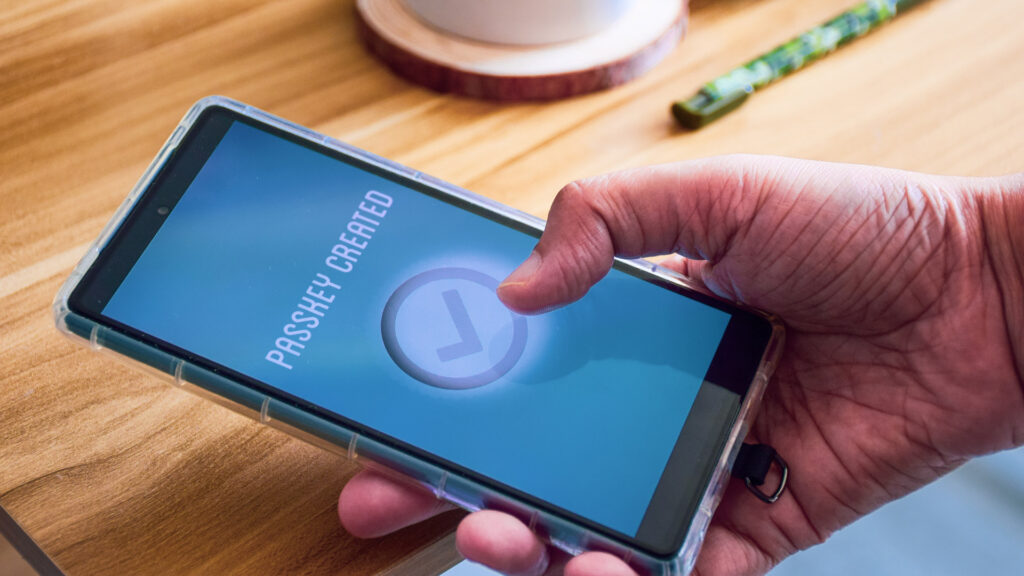
Passkeys are at the center of that transition. They use verification between the user’s device and the service being accessed, which removes the need to type or send a password during login.
Microsoft also includes verified email in the move away from SMS. Together with passkeys, it is part of a broader plan to make account access safer while keeping the process straightforward.
What passkeys change
Microsoft sees passkeys as a better fit for modern account protection because they are designed to be harder for phishing attacks and credential theft to abuse. Without a traditional password in the login flow, there is less for attackers to steal or reuse.
That is also why the company is pushing further into a passwordless ecosystem. Microsoft has said that new Microsoft accounts no longer use a password by default, which shows how far the company is willing to move away from older sign-in methods.
The goal is not only stronger security. Microsoft also wants the login process to feel less burdensome for users, so protection does not come at the cost of convenience.
What this means for users
For personal Microsoft account holders, the removal of SMS 2FA is a sign that older security habits are no longer enough on their own. Methods that once felt secure can become weak points as attack techniques evolve.
Users who still rely on text-message codes will need to prepare for different sign-in options. Microsoft is clearly encouraging the use of passkeys as the primary alternative.
Even so, the company is not arguing that 2FA is useless. The message is more specific: not all second-factor methods offer the same level of defense, and SMS is now seen as too easy to misuse.
By reducing its reliance on text-based verification, Microsoft is trying to shrink one of the most commonly abused attack surfaces. The company’s current direction makes it clear that SMS is no longer being treated as a modern foundation for account security.
Source: www.xda-developers.com