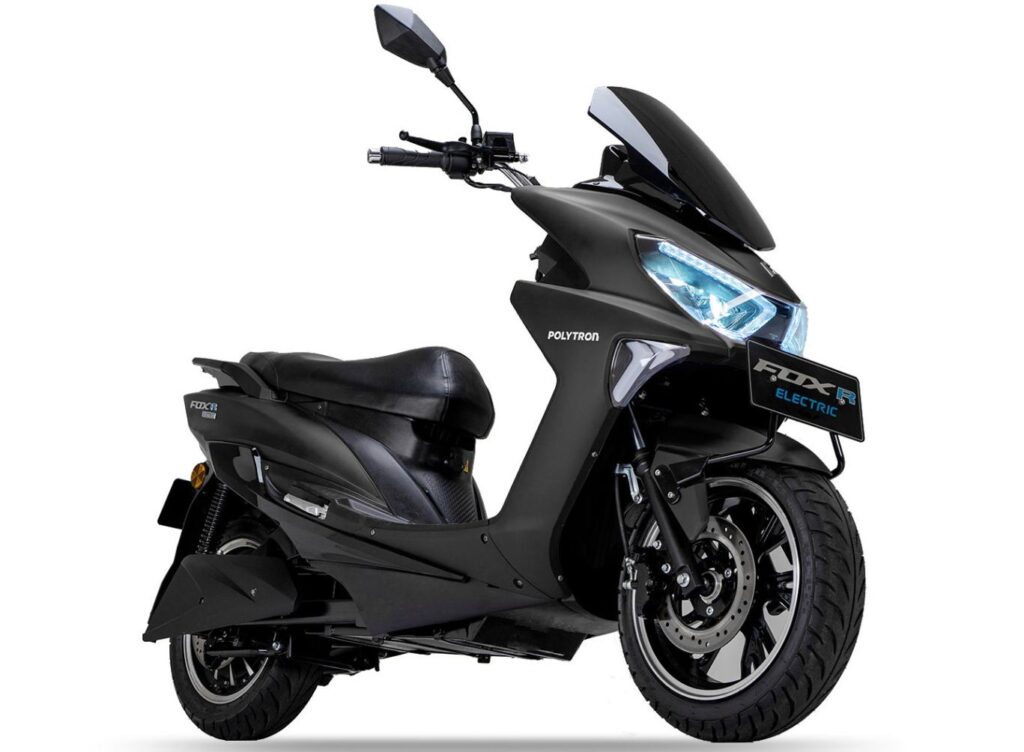
Polytron’s move into electric motorcycles adds a new layer of pressure to an already crowded Indonesian EV market. The company is no longer limited to consumer electronics, and its expansion signals that mobility has become a serious growth arena.
The timing matters because electrification is gaining momentum across the country, and more brands are entering the same space. In that setting, a familiar consumer name like Polytron can quickly influence how buyers and competitors view the electric motorcycle segment.
A familiar brand enters a new battlefield
Polytron has long been known for household electronics, but its latest step shows a broader business direction. By moving into electric motorcycles, the company is aligning itself with a transport sector that is expanding rapidly and attracting more attention from industry players.
That shift also reflects how the line between electronics and automotive businesses is getting thinner. Technology, energy efficiency, and device integration now overlap in ways that encourage companies to enter mobility markets.
Efficiency becomes a major selling point
One of the clearest advantages highlighted in Polytron’s electric motorcycle push is energy efficiency. Electric motorcycles are increasingly seen as a practical response to the need for cleaner transport and lower long-term use costs.
This focus fits a wider global trend toward electric vehicles aimed at reducing carbon emissions. For consumers, the appeal is not only about moving from one place to another, but also about spending less over time.
Battery technology sits at the center
Battery development is one of the most important parts of Polytron’s approach. The battery determines range and plays a major role in everyday riding experience.
That emphasis suggests the company is not treating its entry as symbolic. Instead, the product development appears aimed at making the motorcycle relevant for daily use, where convenience and sufficient travel distance matter most.
Lower running costs may attract buyers
Beyond energy savings, lower operating costs are another key advantage of electric motorcycles. This is often one of the strongest reasons consumers compare electric models with gasoline-powered motorcycles.
Maintenance costs can also be lighter because electric motorcycles have fewer mechanical components than conventional vehicles. With a simpler structure, routine servicing can be reduced, which strengthens the appeal for buyers seeking practical and economical mobility.
Competition is expected to intensify
Polytron’s entry is likely to make the electric motorcycle market in Indonesia even more competitive. More players usually push the market to become more dynamic, both in product variety and in innovation.
Existing brands may feel stronger competitive pressure as new names arrive. At the same time, consumers gain more options when deciding whether to switch to electric transport.
Brand recognition may help the transition
Polytron’s long-standing presence in the Indonesian market could become an important asset. Familiarity can help build trust, especially when a company expands into a sector that is different from its core business.
That advantage may matter in automotive mobility, where consumers often pay close attention to reliability and product relevance. In this case, the brand’s recognition may support its effort to gain a foothold in the electric motorcycle segment.
A sign of a bigger industry shift
The move also shows that Indonesia’s electric vehicle market is no longer driven by a small group of players. As more companies cross from consumer electronics into mobility, the industry is entering a more serious competitive phase.
For the market, that could accelerate broader adoption of electric motorcycles. The more choices available, the easier it becomes for consumers to find a product that fits their needs and budget.