A motorcycle tire can look perfectly fine on a hot day and still carry a hidden risk. For riders of automatic scooters, the real issue is often not the visible condition of the tire, but the air pressure inside it, which can change as the road surface heats up and friction increases.
That matters because many riders still judge safety by whether the bike keeps moving normally. In daily use, especially during midday travel on hot asphalt, the wrong pressure can quietly reduce stability and make the motorcycle less comfortable to control.
Why heat changes the situation
When temperatures rise, tire pressure usually increases as well. The effect comes from the hotter road surface and the extra friction created while the tire is rolling.
If the pressure becomes too high, grip can drop. The ride may feel less comfortable, traction becomes harder to maintain, and the tire faces greater risk of damage when it meets uneven road contours.
This is why checking tire pressure before riding is treated as a simple but important habit. For riders who depend on automatic scooters for everyday mobility, the need becomes even more relevant during hot afternoons when the asphalt is already warm.
The correct pressure is not the same for every scooter
Ideal tire pressure for daily scooters such as Honda Vario or Yamaha NMAX is not meant to be copied from one rider to another without adjustment. Load matters, and so does the way the motorcycle is used.
A scooter used alone for light mobility may need different pressure settings from one that often carries goods or covers longer distances. In hot weather, that adjustment becomes more important because pressure tends to rise during use.
Attention to the front and rear tire pressure is also a frequent concern for riders during the dry-to-wet seasonal transition. That search trend shows that awareness of tire stability is growing, but it does not replace direct checks on each motorcycle.
Pressure is only part of the picture
Tire safety in hot weather does not depend on air pressure alone. Tire tread condition and tire age also need attention because high asphalt temperatures can make problems appear faster when the tire is no longer in prime condition.
A tire with a thin tread is easier to lose grip, according to motorcycle workshop observers. The risk can increase further when road conditions change suddenly, including when rain arrives after a period of heat.
Longer trips add another layer of stress because the tire works for a longer time on a hot road surface. For that reason, checking the motorcycle before departure is seen as a safer step than waiting until the tire begins to show trouble on the road.
Small components that also deserve inspection
The valve stem should not be overlooked. This small part is easy to ignore, yet it affects how well the tire keeps pressure stable.
The wheel rim also needs inspection to help ensure the tire remains safe across different road conditions. Suspension matters as well because it helps the motorcycle stay stable when the tire absorbs loads and impacts from the road surface.
When tire pressure, rim condition, and suspension are all in good shape, the motorcycle is more likely to remain steady. That becomes especially important when hot weather makes the road feel harsher for the tire.
Portable gauges are making checks easier
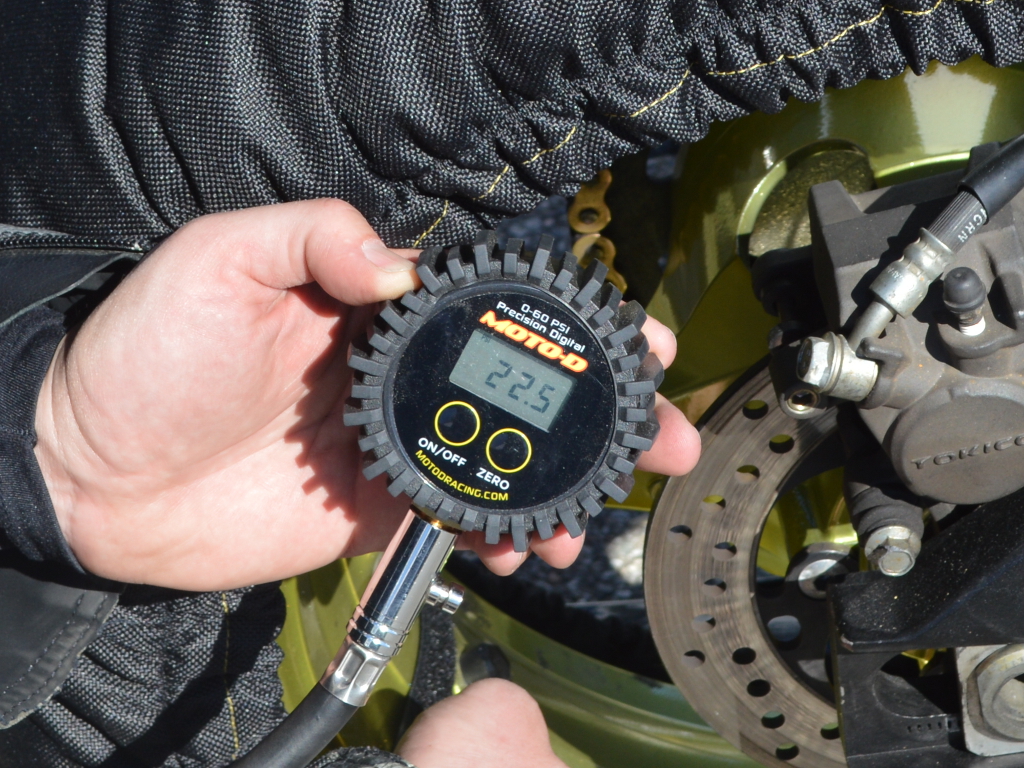
Many riders now share self-check tire care tips on social media, and one of the most discussed tools is a portable pressure gauge. It is practical to carry on touring trips and helps riders inspect pressure more regularly.
That kind of tool makes quick checks easier without waiting until the tire feels excessively hard or the motorcycle starts to feel unstable. In hot weather, that habit can help keep travel safer, more comfortable, and more efficient.
For scooter users, tire pressure should be treated as a basic need rather than an extra maintenance task. When temperatures are high, the condition of the tire, tread, valve stem, rim, and suspension should all be confirmed before the motorcycle goes back on the road.