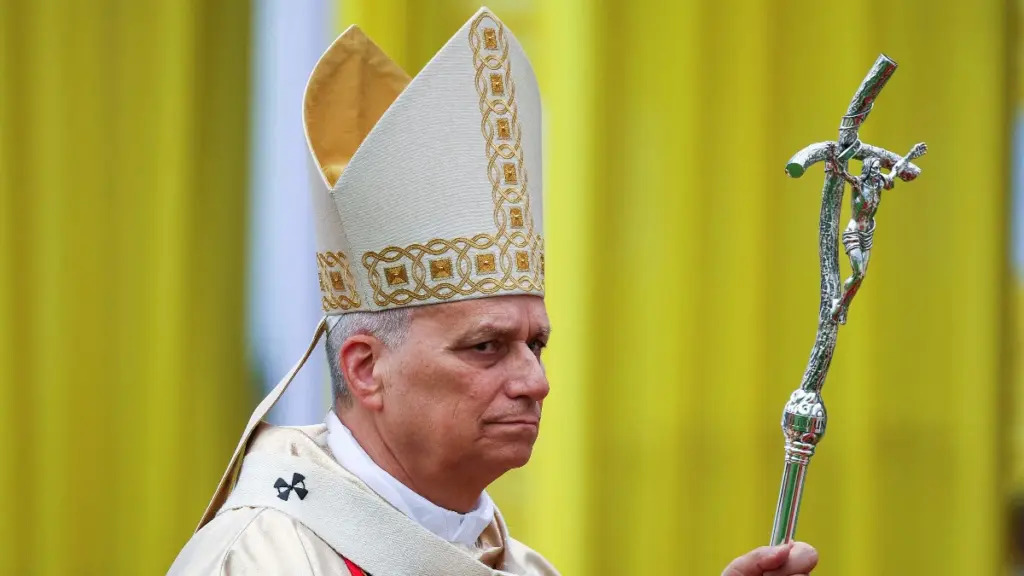
Pope Leo XIV is sharpening the Vatican’s warning that artificial intelligence is not just a technical issue, but a test of what it means to remain human. His concerns are expected to take center stage as the Vatican prepares to release its first encyclical focused specifically on AI.
The document, titled Magnifica Humanitas, is scheduled for publication on Monday and is being positioned as one of the Vatican’s most significant statements on the technology so far. It is expected to address AI’s impact on human dignity, social relationships, education, and civic life.
A moral question, not only a digital one
At a one-day conference called “Preserving Human Faces and Voices,” Pope Leo argued that the world is facing something deeper than a simple need to adjust to new tools. In his view, the real issue is that society is losing sight of what it means to be human.
That framing places AI in an anthropological debate rather than a purely technological one. The pope has stressed that technology must remain in service of people and must never become the final goal that pushes human values aside.
Concerns over connection, truth, and identity
One of the strongest points in his warning is the rise of chatbots and other AI systems that can exploit people’s need for real connection. He criticized the uncontrolled promotion and use of such technology when it comes at the expense of human dignity.
He also pointed to the risk of technology replacing or imitating personal closeness without creating genuine human relationships. That concern moves the AI debate beyond efficiency and innovation and into emotional and social life, where authenticity matters just as much as function.
Truth is another theme running through the pope’s message. His warning suggests that the spread of AI is not only about more advanced tools, but also about whether people can still distinguish what is authentic, what is true, and what is genuinely human.
The Vatican’s response and the role of education
Pope Leo said the Church has a responsibility not only to help shape the direction of digital technology, but also to guide society in using it wisely. That expectation is tied directly to the upcoming encyclical, which he hopes will help address the anthropological challenges raised by AI.
He also called on schools, universities, and religious institutions to strengthen media literacy and AI literacy programs. Special attention was given to young people, who live closest to digital technology in everyday life.
That emphasis shows that the response to AI is not being framed only as a matter of regulation or high-level ethics. Education is being treated as a practical way to help people understand the risks, limits, and responsible use of technology.
Big Tech engagement and wider concerns
As the encyclical nears publication, major technology companies have also been reported to be in active contact with Pope Leo XIV and Vatican officials. The discussions show that the AI debate is now taking place not only in academic and government circles, but also at a major global moral center.
Representatives from Meta, Google, and Amazon recently took part in an hour-long discussion in Rome focused on AI and child protection. The meeting included technology executives, Pope Leo XIV, and the Vatican’s top communications official.
The talks reportedly covered responsible AI development and deployment, along with the protection of children and teenagers online, human dignity, and workers’ rights. Concerns about surveillance technology and autonomous weapons were also raised, underscoring how broad the debate has become.
That range of issues shows that the Vatican’s concern is not limited to chatbots or automation. It reaches into human rights, security, and the governance of technology, with Pope Leo’s position keeping people at the center of every decision about AI.
Source: www.indiatoday.in