


Apple is signaling a different future for Siri, and the clearest clue is not coming from a flashy new assistant demo. Instead, it is emerging through a major update to Voice Control on iPhone and iPad, where devices are becoming better at responding to natural language in ways that match what is visible on the screen.
That shift matters because it points to a larger change in Apple’s approach to voice interaction. Rather than forcing users to memorize exact commands, the company is moving toward a system that understands intent, context, and everyday speech.
A more natural way to control what is on screen
The updated Voice Control feature allows users to issue instructions in ordinary language and trigger actions on screen without needing rigid phrasing. In practice, that means a user can say something like “tap the guide about the best restaurants in Maps” or “tap the purple folder in Files” and expect the device to act accordingly.
This is a notable change from older voice systems that relied heavily on exact wording. Apple’s direction now appears to be less about matching keywords and more about identifying what the user wants to do.
For everyday use, that creates a smoother interaction model. People no longer need to adjust their speech to fit a narrow command format, which makes navigation feel more direct and less mechanical.
Why accessibility is at the center of the shift
Although the update sits inside Apple’s accessibility ecosystem, its value is not limited to users who need assistive tools. It can be especially helpful for people with mobility limitations or visual impairments, since they can interact with the device more naturally.
Apple has often taken features built for accessibility and turned them into tools that benefit a much wider audience. VoiceOver and Live Text are two examples of that pattern, where specialized features eventually became useful in routine daily use.
Voice Control appears to be moving in the same direction. If it can understand both the screen and the spoken request more effectively, it becomes useful not only for accessibility needs but also for general productivity.
What this suggests about Siri’s next stage
The most important implication is what this may mean for Siri. A system that can interpret what is happening on the screen could help Siri move from a literal command tool into something that responds to context.
In one example, a user could say “add this to the calendar” while viewing an event. In another, the user could say “share this photo with John” without needing to restate which photo is being discussed.
That kind of interaction would change Siri’s role significantly. Instead of waiting for exact instructions, the assistant would become more capable of handling tasks in a way that feels closer to natural conversation.
Apple’s advantage lies in integration
Apple’s ecosystem remains one of its strongest assets in this effort. Context from apps such as Maps, Calendar, and Photos can make Siri responses more relevant and more personal.
That tight integration could help Siri become a central productivity layer across Apple devices. The ability to link what is on the screen with actions in other apps may end up being a key differentiator in the crowded AI assistant market.
At the same time, the company is still under pressure to deliver on earlier promises around AI. Siri’s broader next generation has already been a point of scrutiny, which makes execution especially important.
Privacy and competition will shape the rollout
The challenge is not only technical. A more context-aware assistant needs deeper access to personal data, and that raises familiar questions about privacy and security.
Apple will need to balance smarter features with the protection of user information. That balance is central to maintaining trust, and it also helps distinguish Siri from rival conversational AI systems.
Competition is already intense, with Google and Amazon moving ahead in their own voice and AI efforts. Apple still has room to stand out, but only if it uses its hardware and software integration effectively.
A gradual launch with broader ambitions
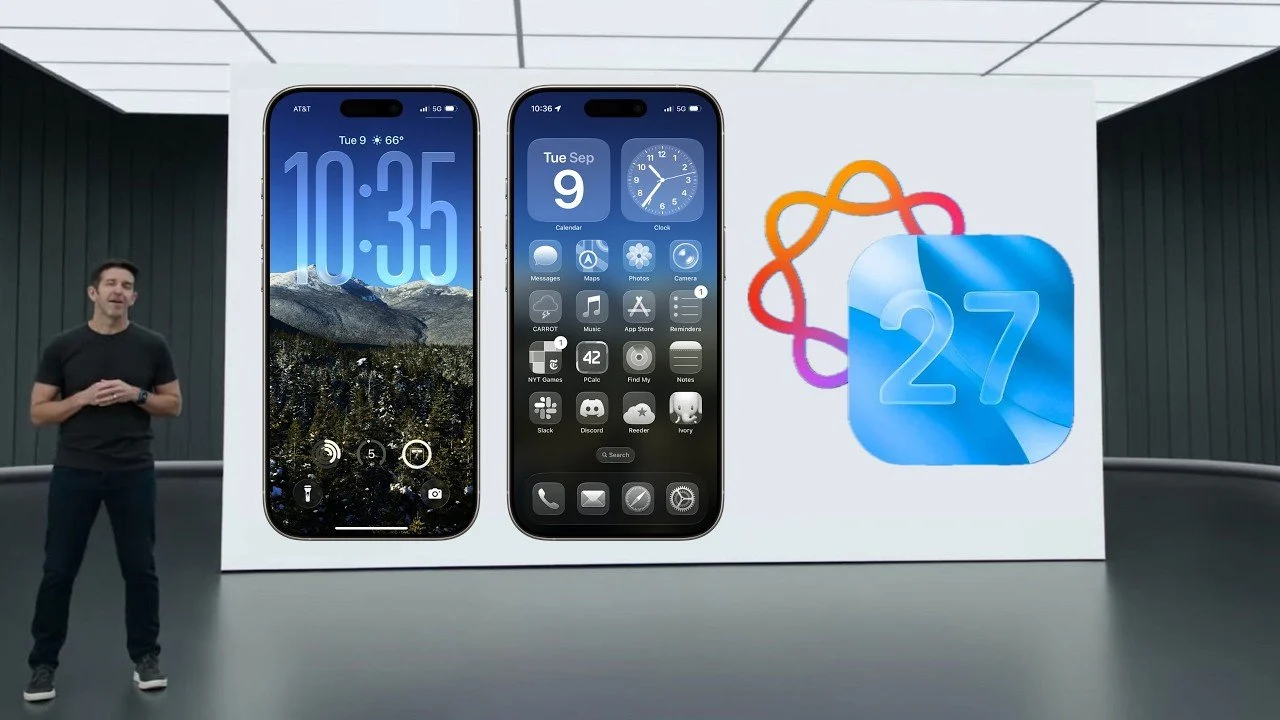
The new Voice Control update is set to arrive first in English, with the initial rollout covering the United States, Canada, the United Kingdom, and Australia. It is expected to ship alongside iOS 27, iPadOS 27, and macOS 27.
That staged release gives Apple time to collect feedback and refine the experience before expanding it further. It also suggests that the company is treating this as the beginning of a larger evolution, not just a single feature update.
Future development may go beyond Voice Control and include deeper third-party app integration, broader multilingual support, and stronger context understanding. For now, though, the clearest signal is that Apple is laying the groundwork for a Siri that understands what users see, what they mean, and how they naturally speak.