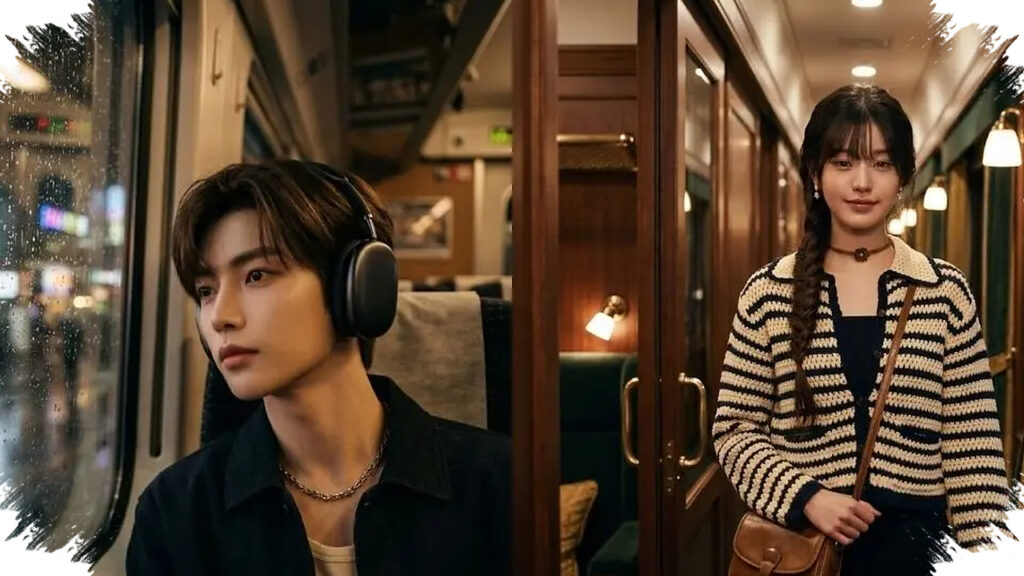
For creators looking to make AI-generated visuals feel more immersive, a night train cabin offers one of the strongest settings available. The combination of soft seats, warm lighting, large windows, and a quiet carriage gives Gemini AI prompts a natural cinematic foundation without sacrificing realism.
This theme has become especially appealing on social media because it feels intimate and emotional while still looking polished. It also works well for users who want the final image to preserve facial detail and avoid the flat, artificial look that often appears in AI-edited portraits.
Why the night train cabin works so well
A train interior at night already carries a built-in mood. Reflections on the window, dim cabin lights, and the calm atmosphere of the carriage help create a scene that looks like a frame taken from a film.
That visual strength also makes the theme suitable for personal branding. The setting is often associated with reflection, travel, and quiet emotional storytelling, which helps the image connect more easily with viewers.
Keeping the result natural
Many AI edits lose realism when the eyes look empty or the face changes too much. To avoid that, the prompt needs to describe expression, gaze direction, and lighting clearly.
Gemini AI can help users shape that mood without professional editing skills. With detailed instructions, the system can preserve the original face more effectively while still building the desired atmosphere.
Color tone matters as well. Warm cabin lights, a soft dark background, and gentle blur can strengthen the emotional feel without making the image look exaggerated.
6 prompt directions for a cinematic night train scene
One prompt works well for a calm mood near the window. It places the subject in a relaxed seated pose, looking outside as city lights reflect across the glass and the modern cabin adds an elegant touch.
Another option creates a more dramatic frame. The subject stands in the aisle under low warm lighting, while window reflections help the image resemble a film scene.
A third direction is more personal and intimate. It shows the subject sitting alone with a cup of hot coffee, wearing a relaxed expression and appearing slightly lost in thought.
The fourth prompt adds a more reflective tone. The subject leans near the window while looking at a phone screen, with warm yellow lights inside and moving city light outside reinforcing the sense of night travel.
A softer and more emotional variation uses headphones, a natural glance toward the window, and light rain on the glass. The warm and slightly dark tone makes the result feel calm but still dramatic.
The sixth prompt brings a more confident energy. It shows the subject walking slowly inside the carriage with a small bag, subtle motion blur, and a cinematic camera angle that gives the image a more professional finish.
Details that matter most in the final image
Across all six prompts, face shape, hair, and eyes should remain natural. Instructions that preserve the original facial structure, skin texture, and lively eye contact are important if the result is meant to avoid a digital appearance.
Lighting remains the main factor in this theme. Soft cabin lamps, reflections from outside the window, and the quiet atmosphere of the carriage all help the scene feel both realistic and emotionally layered.
Careful composition also improves the final result. When the framing is clean and the visual elements are balanced, the output looks closer to a professional camera shot than a simple AI edit.
Because of that, the night train cabin continues to stand out as one of the most effective visual concepts for modern content. It combines realism, mood, and cinematic detail in a way that is easy to adapt across platforms.
Source: radartasik.id