The biggest gaming controversies of the 2020s have not come from small, obscure releases. They have often involved major titles with strong anticipation, only to spark backlash over technical failures, design choices, ethics, or legal disputes once they reached players.
That pattern has made controversy almost as important as quality in shaping a game’s reputation. In some cases, the dispute began at launch; in others, it started with an announcement, a policy decision, or a lawsuit that pulled the game into a much larger debate.
When a remake turns into a liability
Grand Theft Auto: The Trilogy – Definitive Edition was expected to be a safe win. The remaster package for GTA III, Vice City, and San Andreas instead became a public embarrassment after players encountered bugs that made some missions impossible to finish.
The criticism did not stop at technical problems. Many players felt the visual upgrades and new systems damaged the atmosphere of the original games, while Grove Street Games was accused of rushing the project in pursuit of a quick result.
The gap between hype and reality
Cyberpunk 2077 carried enormous expectations long before release. CD Projekt Red had built a strong reputation with The Witcher 3, so the game entered the market as one of the most anticipated titles of its era.
What followed was a sharp collapse in trust, especially on last-gen consoles such as PS4 and Xbox One. Players faced severe bugs and poor performance, and the fallout became serious enough that Sony removed the game from the PlayStation Store for six months.
The situation also led to compensation tied to legal action from players. That made Cyberpunk 2077 one of the clearest examples of how launch issues can damage even a highly promoted blockbuster.
Not every controversy came from broken code
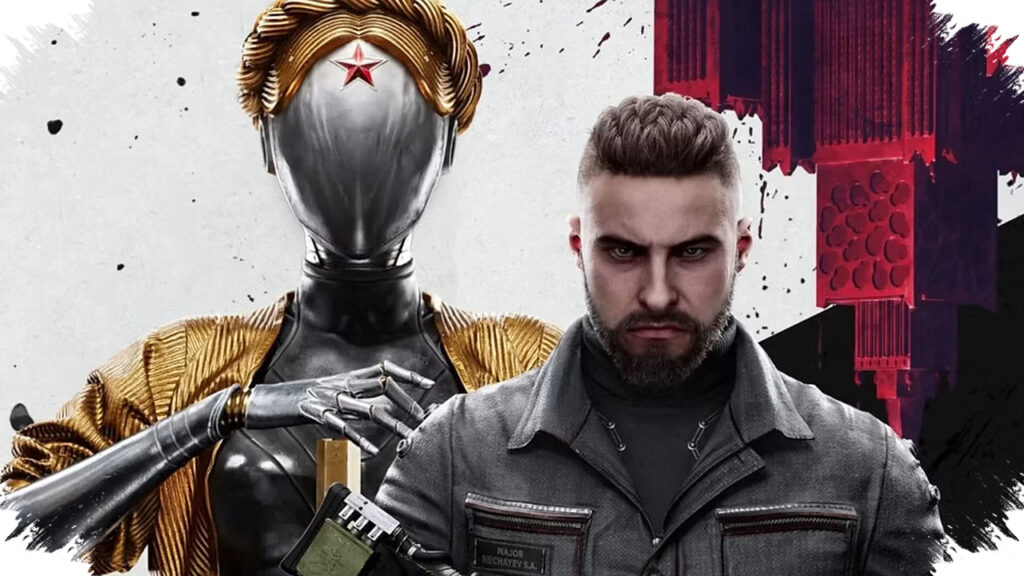
Some disputes were less about performance and more about what a game seemed to represent. Atomic Heart drew attention not only for its presentation, but also for the studio’s behavior around the war in Ukraine.
Mundfish was criticized for staying silent about Russia’s invasion of Ukraine and for avoiding obvious links to Russia in official communication. Ukraine’s Ministry of Digital Transformation went further and said the game romanticized communist and Soviet ideology.
Its release timing intensified the criticism because it arrived one year after the invasion began. Even so, the game still sold more than 10 million copies.
When a series changes too much
Dragon Age: The Veilguard did not face the same level of technical backlash as some others on this list. The argument around it was different: many players felt it moved too far away from the gameplay identity associated with Dragon Age.
The strongest complaints focused on its heavier action emphasis and the reduced role of strategy. Its mission design also drew criticism for feeling generic and repetitive, which made some fans see the game as less consistent than earlier entries.
That reaction stood in contrast to the generally positive critical reception. The divide showed how a game can be praised by reviewers while still disappointing a large part of its audience.
A military shooter tied to real tragedy
Six Days in Fallujah has carried controversy for a long time. First announced in 2009, the military shooter focused on the Iraq War from the perspective of the United States, and many critics argued that turning a real tragedy into entertainment was deeply insensitive.
The project later collapsed when Atomic Games went bankrupt in 2011, but Highwire Games revived it and released it in early access in June 2023. The newer version attempted to include an Iraqi perspective, yet resistance remained strong.
CAIR was among the voices calling for major platforms not to sell the game. The dispute showed that even a revised approach does not always erase the concerns raised by a subject rooted in real-world conflict.
A creature-catching hit that ended up in court
Palworld became controversial almost as soon as it arrived in early access in January 2024. The game was quickly labeled “Pokemon with guns,” which pushed it into a debate over the line between inspiration, parody, and plagiarism.
Some Pal designs were seen as too similar to Pokemon, and accusations followed that Pocketpair had stolen designs, although the studio denied that claim. The criticism then moved beyond resemblance when Nintendo and The Pokémon Company sued Pocketpair in September 2024 over alleged patent infringement.
Its labor mechanics also drew scrutiny because Pal could be exploited as workers. That combination of design accusations and gameplay controversy made Palworld one of the most heavily debated releases of the 2020s.
Across these six cases, the source of controversy changes, but the pattern is the same. Bugs, design direction, politics, and legal conflict can all turn a highly anticipated game into a much bigger public argument than the publisher likely expected.
Source: www.idntimes.com