


Wearable devices are getting better at collecting health data, but many users still struggle to understand what the numbers actually mean. Vilo is trying to close that gap with Signal OS, a smart ring operating system built around context rather than raw charts alone.
The company wants the platform to tell users what changed, what matters most, and what action may be worth paying attention to. That approach places Signal OS in a growing category of wearables that aim to interpret health data instead of simply displaying it.
A shift from measurement to meaning
According to co-founder Gee Gu, working with Andy Xu, wearable hardware has become strong at measurement but still lacks meaning. Signal OS is intended to push that experience beyond dashboards and scores toward a system that responds more intelligently to the body’s signals.
Vilo says the platform is designed for “wellness guidance and self-understanding, not diagnosis or treatment.” That boundary matters because consumer health wearables operate in a space where deeper medical claims can become complicated without approval from regulators such as the FDA.
| Signal OS Component | What It Does | Purpose |
|---|---|---|
| Signals | Card-based system that highlights changes in user statistics | Offers guidance on what users may want to do next |
| Pulse | Dashboard for historical data and trends | Helps users see patterns over time |
| Vibes | AI chatbot | Makes health data easier to understand through conversation |
| Women’s health layer | Dedicated feature set for female health use cases | Adds more specific context to the platform |
How Vilo is packaging the experience
Signal OS combines familiar wearable elements such as charts, scores, and data with an additional layer of interpretation. The aim is not to flood users with more numbers, but to explain body signals in a way that feels more useful day to day.
That direction also mirrors broader moves in the wearables industry. Fitbit, for example, has been moving toward AI-based interpretation through products such as AI Coach and Fitbit Air, showing that the value of wearables is shifting toward explanation as much as collection.
Vilo also appears to be preparing a more structured consumer model around the platform. A preview site suggests that a membership fee will be part of the experience, which points to a likely subscription-based business model similar to what has become common with Fitbit, Whoop, and Oura.
Built for Vilo Ring first
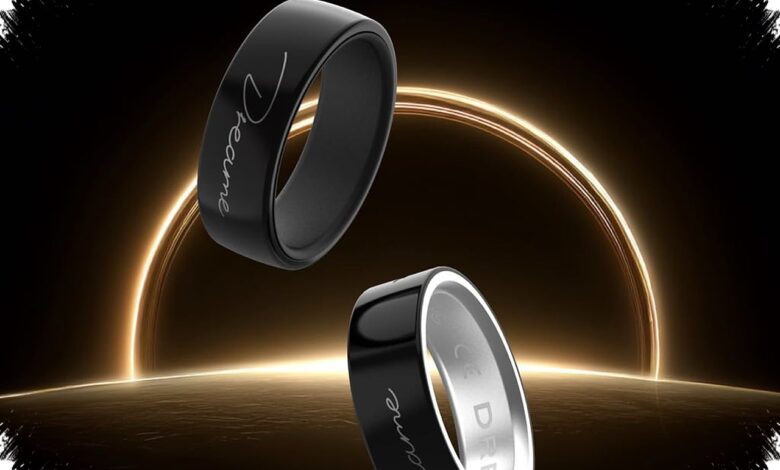
Signal OS is described as a ring-first platform, meaning it is designed to debut on Vilo’s own smart ring. The company has not yet revealed full details of the device, but the preview site gives an early look at the Vilo Ring itself.
That site says the ring starts at $349 and is scheduled to be available in October 2026. The same preview also suggests a design that looks different from Oura Ring 5 and Samsung Galaxy Ring, which may help Vilo stand out in an increasingly crowded market.
The hardware and software strategy seems tightly linked. By placing interpretation, guidance, and AI interaction at the center of the ring experience, Vilo is betting that users want more than sensor readouts and daily scores.
For consumers, that could make the difference between a device that tracks health and one that helps explain it. In a category already crowded with sleep, activity, and body-signal tracking, Vilo is trying to sell the value of clearer understanding.