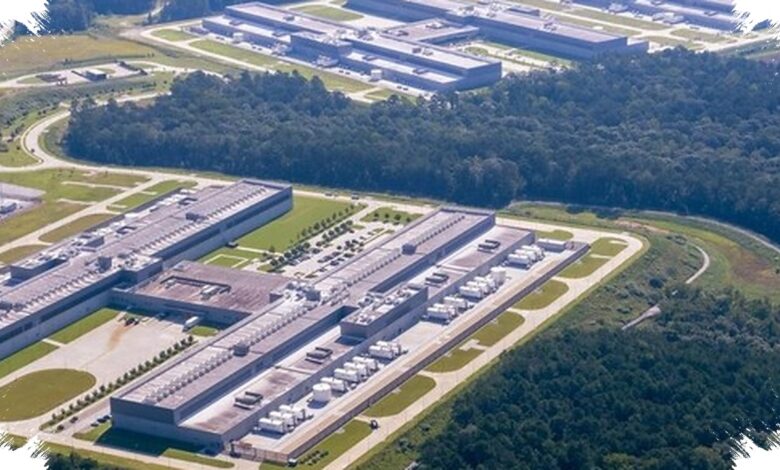
Electricity costs are rising fast across parts of the U.S. Rust Belt as AI data centers consume more power and pressure regional grids. In Ohio and Pennsylvania, industrial electricity tariffs have reportedly climbed as much as 90% over the past year.
The impact is spreading beyond factories. Households and small businesses are also feeling the strain as capacity charges surge and operating costs rise across the region.
Grid charges are driving the spike
According to Reuters, one of the main triggers is the jump in capacity charges on regional transmission networks. PJM Interconnection, which manages the electricity market in the Midwest and Mid-Atlantic, saw capacity prices rise by more than 1,000%.
| Region / Entity | Change | Key Figure | Impact |
|---|---|---|---|
| PJM Interconnection | More than 1,000% | From US$ 28.92 to US$ 329.17 per megawatt-day | Sharp rise in capacity costs |
| Pennsylvania | 31% YoY | Industrial electricity tariffs | Heavy pressure on factories |
| Ohio | 26% YoY | Industrial electricity tariffs | Higher operating costs |
| Households in Pennsylvania | 14% | Electricity tariff increase | Consumers face added strain |
| Households in Ohio | 9% | Electricity tariff increase | Consumers face added strain |
Nearly 40% of the total value of a recent US$ 16.4 billion grid auction was reportedly allocated to support data center demand. That scale shows how strongly AI infrastructure is reshaping electricity spending in the region.
A century-old factory feels the shock
Belden Brick Company offers a clear example of how the surge is hitting older manufacturers. The 141-year-old brick maker from Sugarcreek, Ohio, said its monthly capacity charge rose from US$ 1,600 to US$ 12,000.
The company said it did not add new machines or extra shifts, yet its bill still jumped because the local power network changed around it. Its products have been used in landmarks such as The Alamo and the University of Notre Dame.
For industrial users, the rise has been faster than for households and small businesses. That gap is especially painful in the Rust Belt, where many manufacturers already operate on thin margins.
Manufacturing risk is growing
Reuters, citing a broad review of energy data and interviews with dozens of factory representatives and industry advocates, found no sign of relief yet. If electricity costs are not allocated more fairly, the risk of bankruptcy for conventional manufacturers could become more immediate.
The widening divide between AI power demand and the ability of industrial firms to absorb extra charges is now a central concern. As pressure on regional grids continues, factories in Ohio and Pennsylvania remain among the most exposed to the next round of increases.