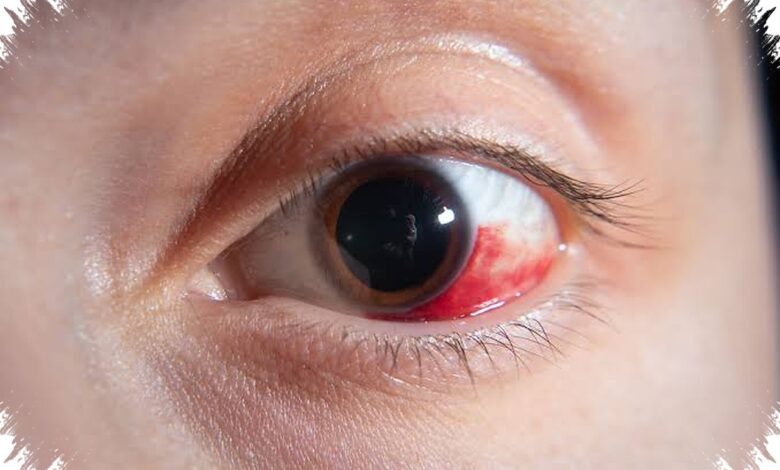
A human donor retina was able to produce electrical responses to light for up to 10 hours after death. The finding could expand the window for preserving donor eyes for vision research and future eye-transplant development.
In tests involving 36 donor eyeballs, 15 produced retinal electrical signals when exposed to light. The 10-hour duration is twice the five-hour result reported in research from 2022.
Keeping Donor Eyes Closer to Their Natural State
The work was led by Eimear Byrne of the Barcelona Institute of Science and Technology. Her team developed a system designed to maintain an eye outside the body in conditions resembling those present while it was still connected to the body.
Called the Eye-in-Care-Box, the device delivers an oxygen-rich solution through the ophthalmic artery to the eye and surrounding tissue. Its sensors automatically regulate pressure and flow, which are important for sustaining tissue metabolism after death.
The approach is intended to limit ischemia, a condition caused by inadequate oxygen supply to tissue. The retina is especially vulnerable because even short periods of oxygen deprivation can cause permanent degeneration in neuronal sensitivity and light-processing circuits.
| Test | Donor Eyes | Main Finding |
|---|---|---|
| Perfusion versus no perfusion | 6 donors | Perfusion preserved retinal structure and nearby tissue for up to 24 hours. |
| Electrical response to light | 36 eyeballs | 15 eyes showed a retinal response to light. |
| Eyes treated with perfusion | 21 eyeballs | The reason some did not show similar responses remains unknown. |
More Than a Matter of Preserving Tissue
In an early experiment, one eye from each of six donors received perfusion while the other eye did not. Eyes without the oxygen-rich flow deteriorated more quickly than those supported by the system.
The perfusion method preserved retinal structure and the health of surrounding tissue for as long as 24 hours. That result suggests the technology can protect more than visible anatomy alone, although functional responses were not detected in every treated eye.
Among the 21 eyeballs that received perfusion, researchers have not yet established why some did not produce an electrical response to light. This unanswered question remains important for refining the method and understanding differences among donor eyes.
The Optic Nerve Remains the Central Barrier
The result does not mean that a full eye transplant can already restore sight. The largest obstacle is reconnecting the retina to the recipient’s brain through the optic nerve.
Thomas Johnson of Johns Hopkins University in Baltimore said a donor eye cannot send visual sensations to the recipient’s brain without regeneration of severed optic-nerve fibers. He described the preservation of light responses in an eye outside the body as an extraordinary achievement.
Partial face and whole-eye transplantation have been performed since 2023, but these procedures have not restored vision in recipients. Corneal transplantation can improve sight when damage affects the clear front layer of the eye, yet the retina is part of the visual neural pathway and presents a far more complex challenge.
A Human Model for Vision Therapies
Liputan6.com, citing New Scientist, reported that more than one million people in the United Kingdom live with blindness or visual impairment caused by permanent damage, including retinal macular degeneration. A system that keeps donor eyes healthier for longer could provide a more useful setting for studying such conditions.
Byrne’s team believes the Eye-in-Care-Box could be used to test vision therapies directly on human eyes rather than relying only on animal models. Johnson added that the technology could serve as an in-vitro model for testing medicines and therapies while investigating human eye biology and disease pathology.
The advance therefore offers a stronger foundation for research into restoring vision, rather than an immediate solution for whole-eye transplantation. Regenerating the optic nerve and restoring its connection to the brain remain essential steps before donor-eye transplantation can return sight.