A long mountain descent can leave a vehicle’s brake pedal feeling less responsive, even when no issue was obvious before the trip. Repeated braking raises heat throughout the system and can increase stopping distance when key components are not in proper condition.
Brake fluid and brake pads require close attention after routes with frequent climbs, bends, and long downhill sections. Their condition directly affects braking response, while excessive heat can also affect the discs and hydraulic system.
Why Downhill Braking Creates a Risk
Brakes work far harder on sustained descents than they do on flat roads because the vehicle must repeatedly slow against gravity. The discs, pads, and fluid can all reach higher temperatures when the brake pedal is used continuously.
A reduction in braking performance caused by excessive heat is known as brake fade. It can make the pedal feel empty or less responsive, particularly when a vehicle is repeatedly braked on a downhill road.
Brake fluid is hygroscopic, meaning it can absorb moisture from the air over time. More water content lowers the fluid’s boiling point and raises the possibility of vapor bubbles forming as braking temperatures climb.
Vapor bubbles can interfere with the hydraulic pressure needed for effective braking. Fluid that has turned dark brown or appears dirty should therefore be replaced according to the vehicle manufacturer’s maintenance interval.
| Component | What to Check | Warning Sign |
|---|---|---|
| Brake fluid | Fluid level and colour | Low level, dark colour, or visible contamination |
| Brake pads | Friction material thickness | Squealing, vibration, or longer braking distance |
| Brake discs | Disc surface | Cracks, uneven surface, or deep scoring |
A Low Fluid Level Should Not Be Topped Up Automatically
The brake fluid reservoir is generally located in the engine bay and usually uses a transparent container. Its level can be checked without opening the cap, and the fluid should sit between the minimum and maximum marks.
A lower level does not always mean the system simply needs more fluid. It may result from thinning brake pads, but it can also indicate a leak within the hydraulic system.
Even a small leak needs inspection because it can reduce hydraulic pressure. A workshop check can cover the brake hoses, calipers, and other parts involved in the braking system.
Brake Pads and Discs Show Recognisable Symptoms
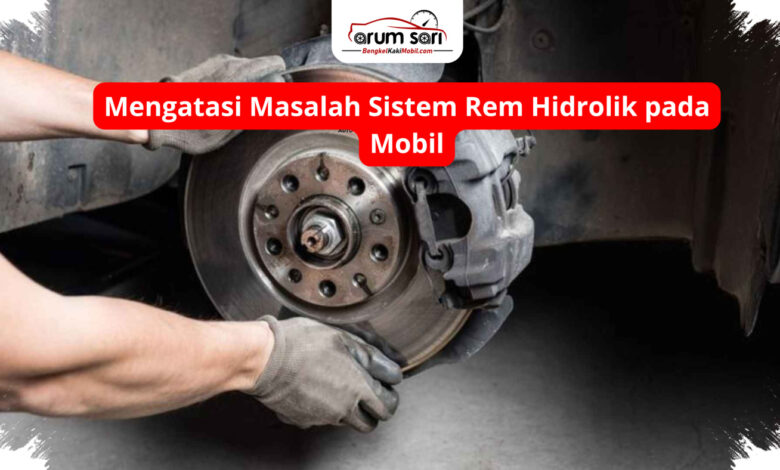
Brake pads gradually wear down because they rub against the disc or drum whenever the driver brakes. On some vehicles, pad thickness can be viewed through the caliper opening without removing a wheel.
Replacement is needed when the friction material approaches the manufacturer’s minimum limit. Squealing during braking, pedal vibration, a longer stopping distance, or an illuminated brake warning light can all signal that inspection is necessary.
A burning smell from the wheel area after a long descent should also not be ignored. It may indicate that brake temperatures rose too high, so the vehicle should be allowed to rest until the braking system returns to a normal temperature.
Disc condition matters alongside the condition of brake pads and fluid. Cracks, warping, and deep grooves can reduce braking effectiveness and require further assessment.
Use Engine Braking on Long Descents
Drivers can reduce reliance on the brake pedal by using Engine Braking and selecting an appropriate gear on downhill sections. This helps control vehicle speed while limiting the heat generated by repeated pedal braking.
Modern automatic vehicles may offer this function through manual mode or paddle shifters when those features are available. The approach can reduce excessive heat and help extend brake pad life.
Indonesia’s Ministry of Transportation and the Traffic Corps of the Indonesian National Police identify the braking system as a component that must remain in optimal condition. Sumeks.disway.id reported that vehicles frequently used on mountain roads should receive workshop inspections after demanding trips, including checks of pads, fluid, discs, calipers, hoses, and ABS where fitted.