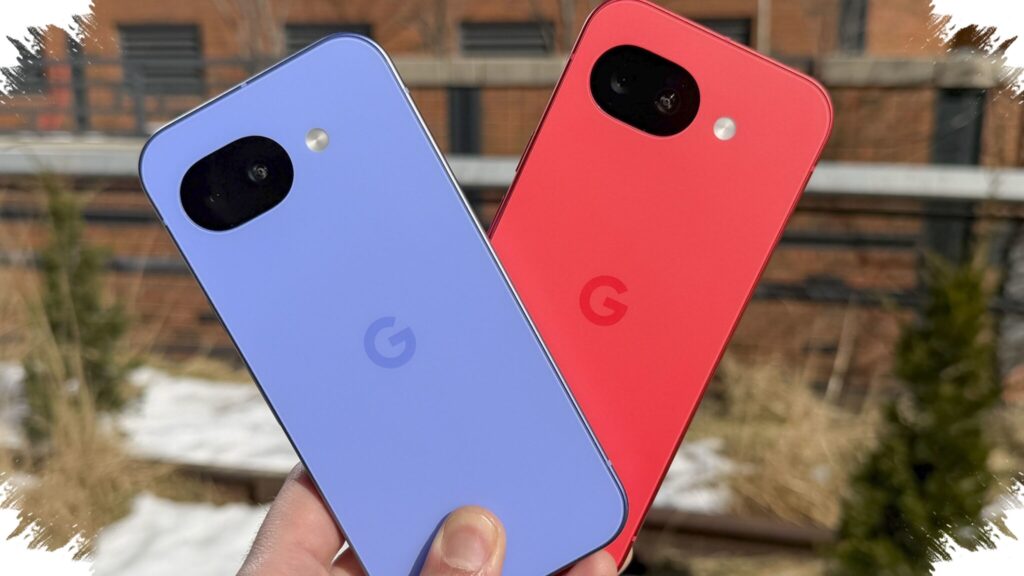
Google Pixel 10A appears to be a more polished mid-range upgrade, with Google focusing on the features people feel every day rather than chasing headline benchmark gains. The biggest changes are a brighter display, a cleaner body design, and faster charging, which together make the phone look more mature than the Pixel 9A.
For users who want a practical “A-series” phone, the Pixel 10A seems built around usability in real conditions. That includes better outdoor visibility, tougher screen protection, improved power efficiency, and small but meaningful updates that can improve daily use.
Brighter Screen for Outdoor Use
One of the most noticeable improvements is the display brightness. The Pixel 10A is said to reach around 3,000 nits, which is roughly 10% higher than the Pixel 9A and should make the screen easier to read under direct sunlight.
That kind of upgrade matters for people who often check navigation, reply to messages, or watch videos while outside. The thinner bezels also help the front side look more modern and give content a more spacious feel.
Cleaner Design and Better Protection
Google also made the back of the phone look more refined. On the Pixel 10A, the rear camera module sits flush with the body, unlike the more raised design on the Pixel 9A.
The screen protection also gets a step up. Google reportedly uses Gorilla Glass 7i on the Pixel 10A, replacing Gorilla Glass 3 from the previous model, which should improve resistance against scratches and minor daily impacts.
What Changes Under the Hood
The Pixel 10A still uses the Tensor G4 chipset, the same processor found in the Pixel 9A. That means users should not expect a major jump in raw speed, and the upgrade is clearly not centered on performance numbers.
Instead, Google appears to have emphasized efficiency with the Exynos 5400 modem. A more efficient modem can help with better battery use and more stable network reception, especially during mobile data use, streaming, or switching between connections.
- Chipset: Tensor G4
- Modem: Exynos 5400
- Main benefit: better efficiency and more stable connectivity
- Daily impact: smoother practical use, not a dramatic benchmark boost
Faster Charging Makes a Difference
The charging upgrade may be one of the most useful changes for everyday users. The Pixel 10A supports up to 30W wired charging, up from 23W on the Pixel 9A, so top-ups should take less time.
Wireless charging also improves from 7.5W to 10W. While that is still modest compared with premium phones, it adds convenience for people who charge on a desk or beside the bed.
Extra Features That Raise the Value
Google is also bringing Satellite SOS support to the Pixel 10A in select regions. That feature could be important in emergencies when cell service is unavailable, especially for users who travel or spend time in remote areas.
The phone is also expected to use more recycled materials, reflecting Google’s wider sustainability push. This may not change performance, but it adds to the device’s appeal for buyers who care about environmental impact.
Pixel 10A vs Pixel 9A: Key Differences
| Aspect | Pixel 9A | Pixel 10A |
|---|---|---|
| Display brightness | Lower | Around 3,000 nits |
| Screen protection | Gorilla Glass 3 | Gorilla Glass 7i |
| Wired charging | 23W | 30W |
| Wireless charging | 7.5W | 10W |
| Camera design | Raised module | Flush design |
| Chipset | Tensor G4 | Tensor G4 |
| Modem | Older modem | Exynos 5400 |
| Satellite SOS | No | Yes, in select regions |
A More Mature A-Series Direction
Taken together, the Pixel 10A looks less like a radical overhaul and more like a careful refinement of the formula. The phone improves the parts that matter most in daily life, especially screen visibility, charging speed, and overall handling.
For Pixel 9A users considering an upgrade, the Pixel 10A could feel like the more complete option because it delivers practical gains without changing the core identity of the device. In the mid-range market, that kind of focused improvement often matters more than a flashy spec sheet.