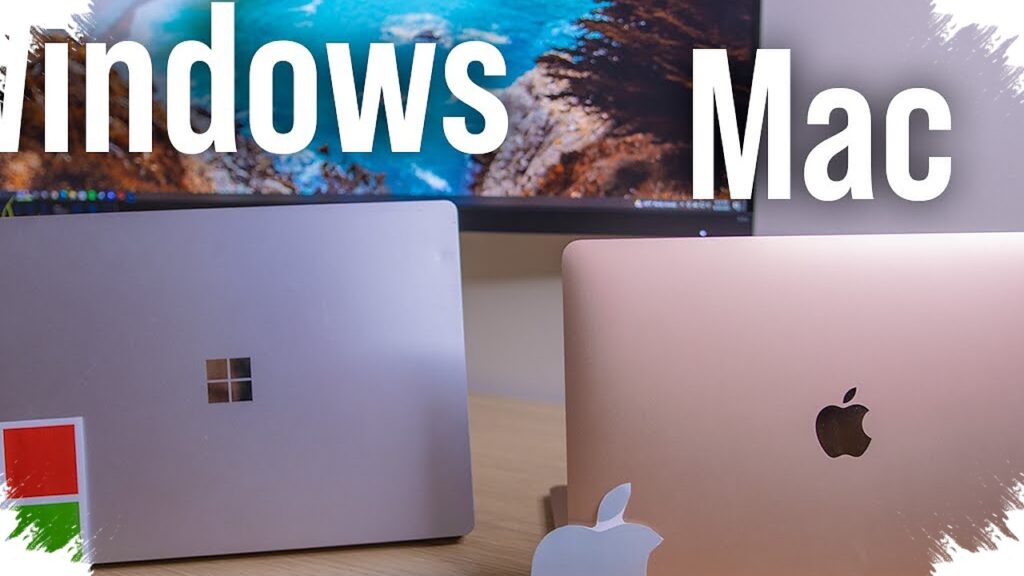
The surge in AI demand is reshaping laptop pricing in a way that is difficult for buyers to ignore. In a market where memory costs keep climbing, some MacBook models are starting to look more reasonable than many Windows laptops, even though Apple has not made them cheap.
That shift is not happening because Apple has suddenly become a budget brand. It is happening because rival Windows machines are rising into price ranges that are increasingly hard to justify, with products like Microsoft’s Surface Laptop 13-inch now starting at $1,199 after a price increase this month.
Memory costs are driving the market
The most important pressure point is not branding or design, but components. Gartner expects DRAM and SSD prices to rise 130% by the end of 2026, and the firm says that could push PC prices up by 17%.
The same report also suggests that the entry-level PC segment below $500 may disappear by 2028. If that happens, the lower end of the market could become far less accessible for mainstream buyers.
TrendForce describes the situation as a memory supercycle. AI demand is pushing DRAM makers to focus on HBM and server-grade products, and that leaves consumer devices exposed to the side effects of tighter supply and higher costs.
Why MacBook prices now look less extreme
Apple is not discounted, but its pricing now lands differently against the broader market. The MacBook Air with the M5 chip still starts at $1,099 with 16GB of memory and 512GB of storage, yet that figure can appear more defensible when compared with rising Windows laptop prices.
Microsoft’s latest Surface lineup makes the contrast especially sharp. Some models have reportedly climbed by as much as $500, and several now sit above $1,000, placing them directly against devices that once occupied a more clearly premium tier.
This is changing the way buyers judge value. A laptop that used to seem expensive can now look balanced when competing products move even higher without offering an obvious pricing advantage.
Windows ARM has not reversed the trend
There was hope that Windows laptops based on ARM could help reset expectations. Qualcomm gained attention for thin designs, better efficiency, and battery life that could come closer to Apple’s standards.
But the market response has been less encouraging. ASUS launched the Zenbook A14 and A16 in the United States using Snapdragon chips, yet the prices later moved up after reviews began to appear.
The Zenbook A14 rose to $1,349, while the Zenbook A16 climbed to $1,699. Similar increases were also reflected in other regions, weakening the idea that efficient Windows laptops would arrive with clearly lower prices.
AI PCs are not escaping the pressure
Many vendors had hoped AI PCs would mark a new chapter for Windows laptops. AMD Ryzen AI and Intel Core Ultra were positioned as combinations that could deliver stronger performance and better efficiency.
That promise has run into the memory problem. Gartner noted that vendors and distribution channels increased inventory in the first quarter because they expected higher prices in the second quarter due to memory inflation.
The point is not that the price shock arrived without warning. The industry could already see the trend, but the direction of travel still moved toward more expensive devices.
In practical terms, AI is not only raising demand for servers and high-end memory. It is also making consumer laptops feel tied to a market that is losing control of costs, which is why MacBook now appears to be the more rational choice in the current laptop landscape.