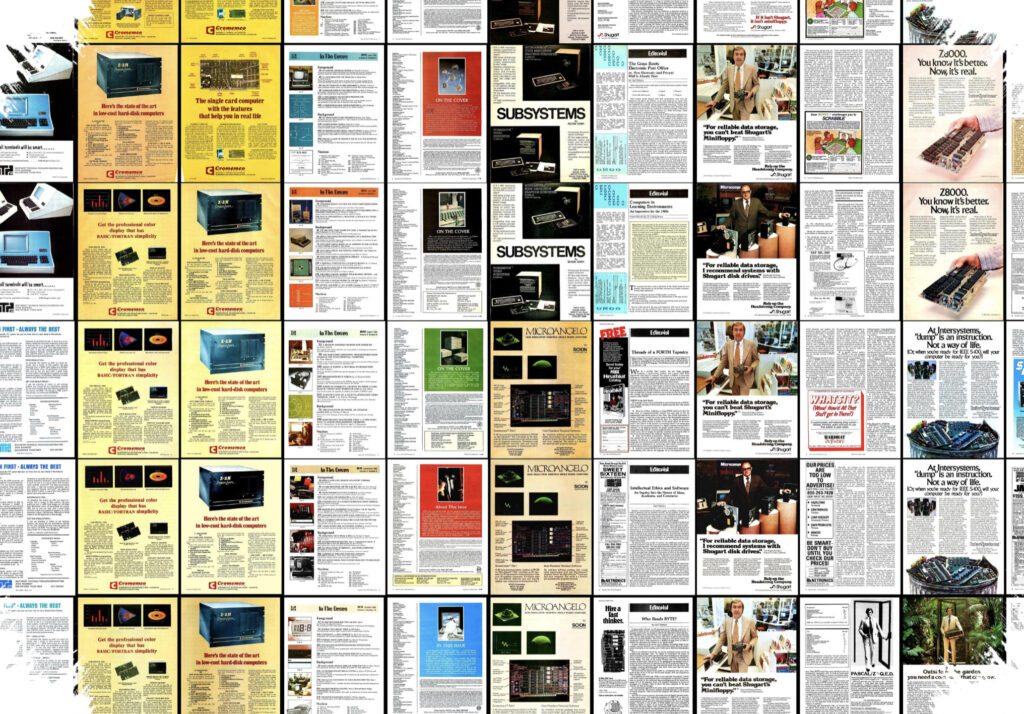
Internet Archive has opened up a large free collection of Byte magazine, giving readers access to more than 200 issues of a publication that helped define how personal computing was understood in its early years. The archive offers more than old pages to browse; it preserves a moment when computers still carried a sense of novelty and wonder.
For modern readers, that makes Byte feel different from today’s technology coverage. Instead of treating computing as a fast-moving industry dominated by constant competition, the magazine reflects a period when personal computers were still emerging as something new, promising, and far from ordinary.
A magazine that grew alongside personal computing
Byte first appeared in 1975 and quickly became an important name in the history of personal computing. It developed during a time when home computers were only beginning to enter public awareness, and digital devices still felt experimental to many people.
The magazine was spearheaded by Wayne Green, who was already known for editing an amateur radio magazine. That background helped shape Byte’s identity, giving it a strong connection to hobbyist culture, technical curiosity, and hands-on experimentation before computers became a normal part of everyday life.
Why the archive stands out
The Internet Archive collection is not only valuable because it is free. It also captures how an earlier generation talked about computers while the technology itself was still being formed.
That historical value is what makes the archive more than a simple repository of back issues. It shows a time when computers were often approached as gateways to new possibilities rather than as part of today’s complex ecosystem of algorithms, massive data centers, and digital policy debates.
The cover art remains a major attraction
One of the most memorable parts of the Byte archive is its cover design. Many of the illustrations by Robert Tinney use humor, surreal imagery, and playful absurdity to present computers as symbols of exciting progress rather than cold machines.
The collection includes several striking examples of that approach. Some covers feature a giant hand opening a computer screen, a chess knight floating above a floppy disk, or visual metaphors that turn digital themes into imaginative scenes.
A useful archive, but not a perfect one
Search results on Internet Archive show 224 English-language entries for Byte, although that number includes duplicates and special issues. As a result, it should not be treated as the exact count of monthly editions that were originally published.
The collection also appears incomplete in some areas because of metadata problems in certain uploads. The final Byte issue from July 1998 is noted as one edition that does not appear in the archive, which means the collection is still missing some material.
Why readers still turn to Byte today
The appeal of this archive goes beyond nostalgia. It gives current readers a chance to see how optimism shaped early personal computing, at a time when the public was still discovering what computers might become.
That contrast is part of what makes the collection compelling now. In a technology landscape often associated with cost, complexity, and skepticism, Byte offers a reminder of an earlier era when computers were as much a source of amazement as they were a tool, and when the future still seemed open in a very literal sense.