Suzuki Karimun is being discussed again as a potential return model for Indonesia in 2026, and the strongest appeal is not nostalgia alone. The compact city car is reportedly preparing a mild hybrid setup that could make it far harder to ignore in an increasingly efficiency-driven market.
If the projected plan becomes reality, the Karimun name would come back with a more relevant brief for urban drivers. The focus is said to be on low fuel consumption, easy daily use, and the kind of compact footprint that still matters in crowded cities.
Hybrid assistance at the center
The main technical update is expected to come from Suzuki’s K-Series engine family, with 1.0L to 1.2L options paired with SHVS, or Smart Hybrid Vehicle by Suzuki. That mild hybrid system is designed to assist the engine during acceleration while also helping reduce fuel use and emissions.
This combination could place the new Karimun among the more efficient cars in its class. For many city buyers, that matters as much as styling because the vehicle is aimed at short trips, routine commuting, and stop-and-go traffic.
Transmission choices are also expected to stay practical. The reported lineup includes a 5-speed manual and AGS, or Auto Gear Shift, which reinforces the model’s focus on efficiency and everyday convenience.
Compact outside, roomier inside
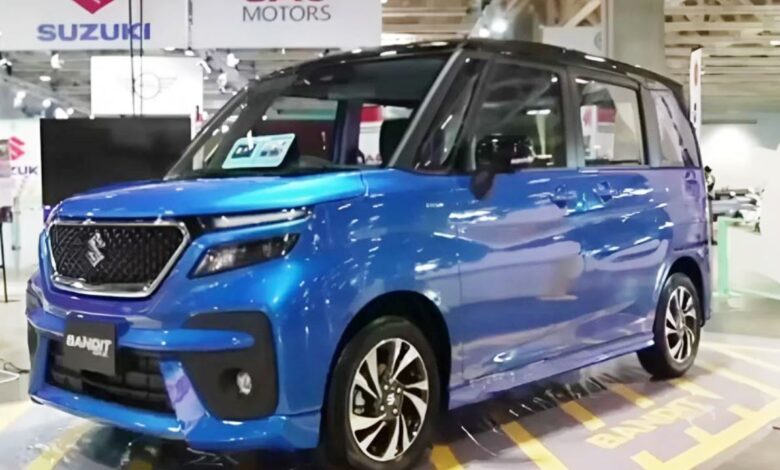
On the outside, the 2026 Karimun is said to retain its tall boy design, a shape long associated with a cabin that feels larger than the car’s footprint suggests. That identity is part of what has always separated Karimun from more conventional city cars.
The updated version is expected to keep that practical formula while adding a more modern and sporty appearance. The front end is rumored to receive sharper LED headlamps and a more aggressive grille to give the car a fresher road presence.
Those visual changes may be modest in size, but they are important in a segment where design freshness often decides whether a model still feels current. In that sense, the new look could help Karimun compete more confidently against newer rivals.
Cabin practicality remains the key draw
Inside, the reported upgrades are aimed at making the cabin feel more connected and usable. A touchscreen head unit with smartphone connectivity is among the features expected to make the interior feel more in line with modern expectations.
What should matter most, however, is that the practical cabin packaging appears to remain intact. Headroom and legroom are said to stay generous, and the rear seats can still be folded flat to create extra cargo space when needed.
That flexibility is one of the reasons compact tall boy cars continue to attract urban buyers. They offer easier parking and maneuvering without giving up the sense of space that many small cars fail to deliver.
Safety equipment and market position
The reported safety package includes dual airbags, ABS, EBD, and parking sensors. While not especially extravagant, the list suggests Suzuki is aiming to cover the essentials expected by mainstream buyers in this segment.
Pricing for Indonesia has not been officially announced, but the model is expected to stay competitive in the city car and LCGC space. Early estimates circulating in the market place the manual Karimun GA at around Rp182 jutaan, which indicates a strategy aimed at affordability.
That positioning could make the comeback easier to notice, especially if Suzuki delivers the promised balance of efficiency, cabin utility, and familiar compact dimensions. For buyers who value simple city usability, the Karimun formula still appears to have a clear audience.