
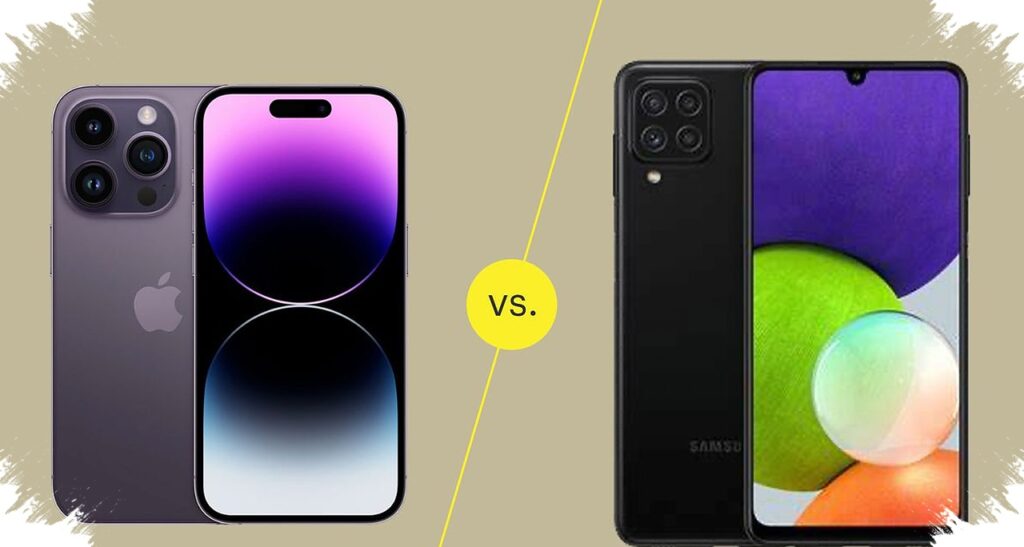
The latest survey paints a familiar but still striking picture of the smartphone market: iPhone users remain far less likely to switch brands than Android users. The gap is wide enough to keep Apple in a separate category, not just in market presence but in customer retention.
SellCell, a device trade-in platform, surveyed 5,000 smartphone users in the United States and found that loyalty to smartphone brands remains strong overall. Even so, Apple continues to stand out, with iPhone users showing a level of attachment that is much harder for rivals to match.
iPhone loyalty remains exceptionally high
According to SellCell, iPhone loyalty reaches 96.4% in 2026. That figure is higher than 91.9% in 2021 and means only 3.6% of iPhone respondents said they would move to another brand.
The main reason is not only habit, but also affinity. About 60.8% of respondents said they stay because they simply like Apple, while 17.4% pointed to the Apple ecosystem as the key reason they remain with the iPhone.
Among the smaller group considering a switch, the most common complaints were rising device prices and the view that some iPhone features still lag behind competitors. Those concerns did not outweigh loyalty for most users, but they do show where dissatisfaction begins to build.
Android users are more willing to move
Android loyalty is still solid, but it sits well below Apple’s level. SellCell reported Android loyalty at 86.4%, with about 13.6% of respondents saying they are considering a change.
That means Android users are nearly four times more likely to switch devices than iPhone users in the survey. The data does not suggest Android is losing its base, but it does show that its hold on users is less stable.
The interesting part is where Android users go if they leave. Most of them still stay within the Android world, usually moving to brands such as Samsung or Google. A sizeable group, however, is drawn to iPhone, showing that Apple remains attractive even to users outside its ecosystem.
Samsung and Google are the main alternatives
For iPhone users who do decide to leave, Samsung is the most popular destination. SellCell found that 69.7% of would-be switchers chose Samsung, while 20.2% said they would consider Google next.
A similar pattern appears among Android users, although the path is less one-directional. Many remain within Android, but 26.8% of those planning a switch said they were interested in moving to iPhone instead.
That detail matters because it shows Apple is not only holding onto its own users, but also continuing to draw interest from rival platforms. At the same time, Samsung and Google remain the most relevant options for users comparing alternatives on the Android side.
Longer ownership also favors Apple
Brand loyalty becomes even clearer when device ownership length is considered. SellCell’s findings show that 83.8% of iPhone users keep their phones for more than five years.
Among Android users, the figure is much lower at 33.8%. That difference suggests iPhone users tend to stay inside the same ecosystem for longer periods, while Android users are more open to replacing their devices or changing brands.
The survey also shows that loyalty within Android has improved over time. Samsung reached 90.1% loyalty in 2026, up from 74% in 2021, while Google rose to 86.8% from 65.2% over the same period.
Even with those gains, Apple still holds the clearest advantage. The survey results suggest that while Android remains a large and durable platform, iPhone users are more deeply anchored by ecosystem, preference, and long-term habits.