


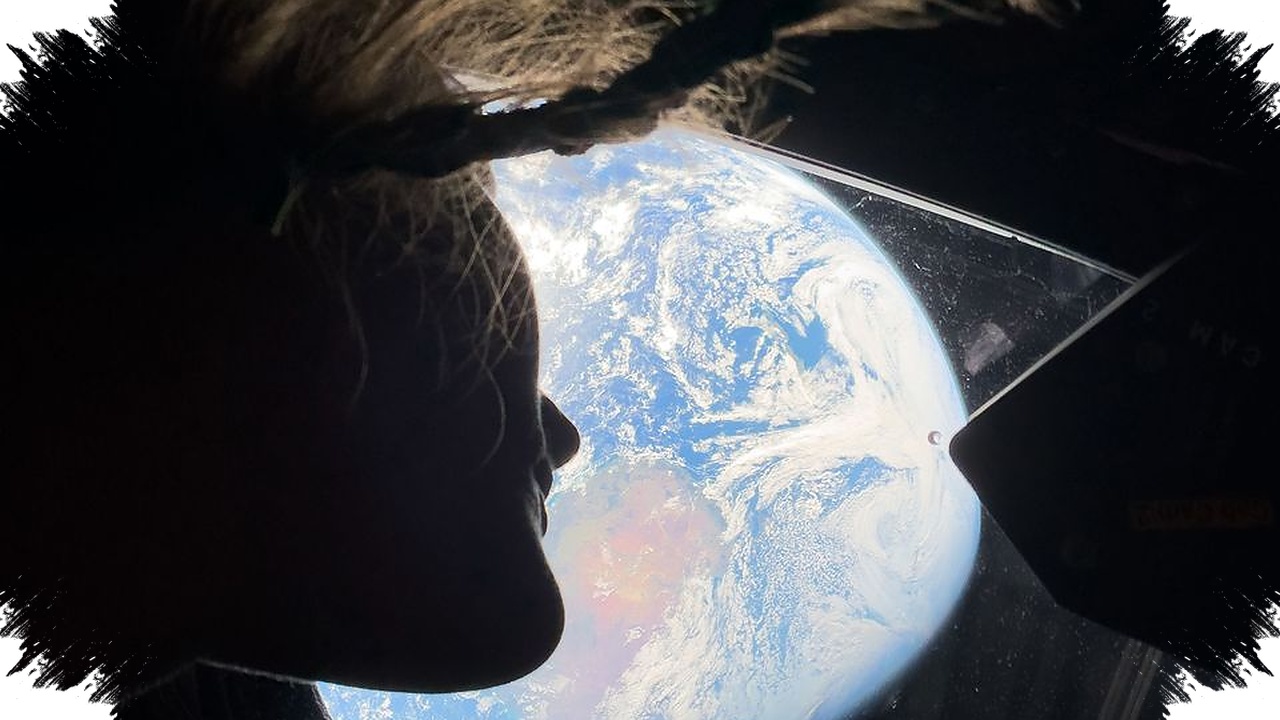
NASA’s decision to bring an iPhone 17 Pro Max into the Artemis 2 mission has drawn attention well beyond the space sector. The device is not serving as the spacecraft’s main communication tool, but as a dedicated image and video capture device inside the Orion capsule.
That distinction matters, because the phone’s appearance in a high-profile mission quickly raised questions about whether Apple was quietly gaining promotional value from the flight. Based on the available information, however, there has been no official announcement of a NASA and Apple marketing partnership tied to Artemis 2.
A camera role, not a communication role
The clearest detail from the available reports is that the iPhone 17 Pro Max is being used for documentation. NASA has reportedly published three Flickr photos taken with the phone’s front camera, and the post included technical details such as ISO, shutter speed, aperture, and focal length.
That public posting confirms the device was not included as a rumor or a symbolic accessory. It was used in a real mission setting to produce visual records that NASA later shared officially.
Modified for spaceflight conditions
Before the phone could be used in the mission, it had to pass NASA safety testing and certification. That screening is essential because any device entering a spaceflight environment must meet strict safety standards.
A New York Times report cited in the reference also said the unit had been modified. Internet access, Bluetooth, and cellular connectivity were disabled, which left the iPhone focused only on documentation duties.
Not the only imaging tool on board
Even with all the attention around the iPhone 17 Pro Max, Artemis 2 is not relying on a single camera system. The reference also mentions other equipment in use, including a Nikon D5 and a GoPro Hero 11.
That mix helps explain NASA’s approach: the mission uses several tools for different visual needs. The iPhone fills one specific role, rather than replacing the broader imaging setup already in place.
Four units, one purpose
The reference says four iPhone 17 Pro Max units were brought along, matching the number of astronauts on the journey around the Moon. That detail suggests the devices were assigned with limited but deliberate planning.
Astronauts reportedly used them to capture Earth and other visual moments from the trip. The resulting images drew wide discussion because of their high quality.
Marketing talk remains unproven
Because the device name appeared in NASA’s published material, many observers naturally linked the situation to Apple branding. Space imagery often creates strong public attention, so the idea of indirect exposure is easy to understand.
Still, the available reference material does not support claims of an official campaign. Apple Insider, as cited, indicates that NASA has not announced any partnership with Apple for promotional purposes in the mission.
A broader shift in NASA’s device policy
The use of the iPhone also reflects a more flexible attitude toward smartphones in space, according to the reference. That marks a shift from NASA’s earlier, stricter stance on mobile devices.
Even so, the process was tightly controlled. Photo data were transferred to the main computer through a modified USB-C cable, not through iCloud or any wireless connection. That setup shows NASA is allowing modern consumer hardware in specific roles while keeping technical oversight firmly in place.
The result is a carefully managed use case: an iPhone 17 Pro Max was approved for visual documentation in Artemis 2, but it remained one tool among several, with no confirmed Apple marketing tie-in and no sign that it was meant to function as a headline promotional stunt.