


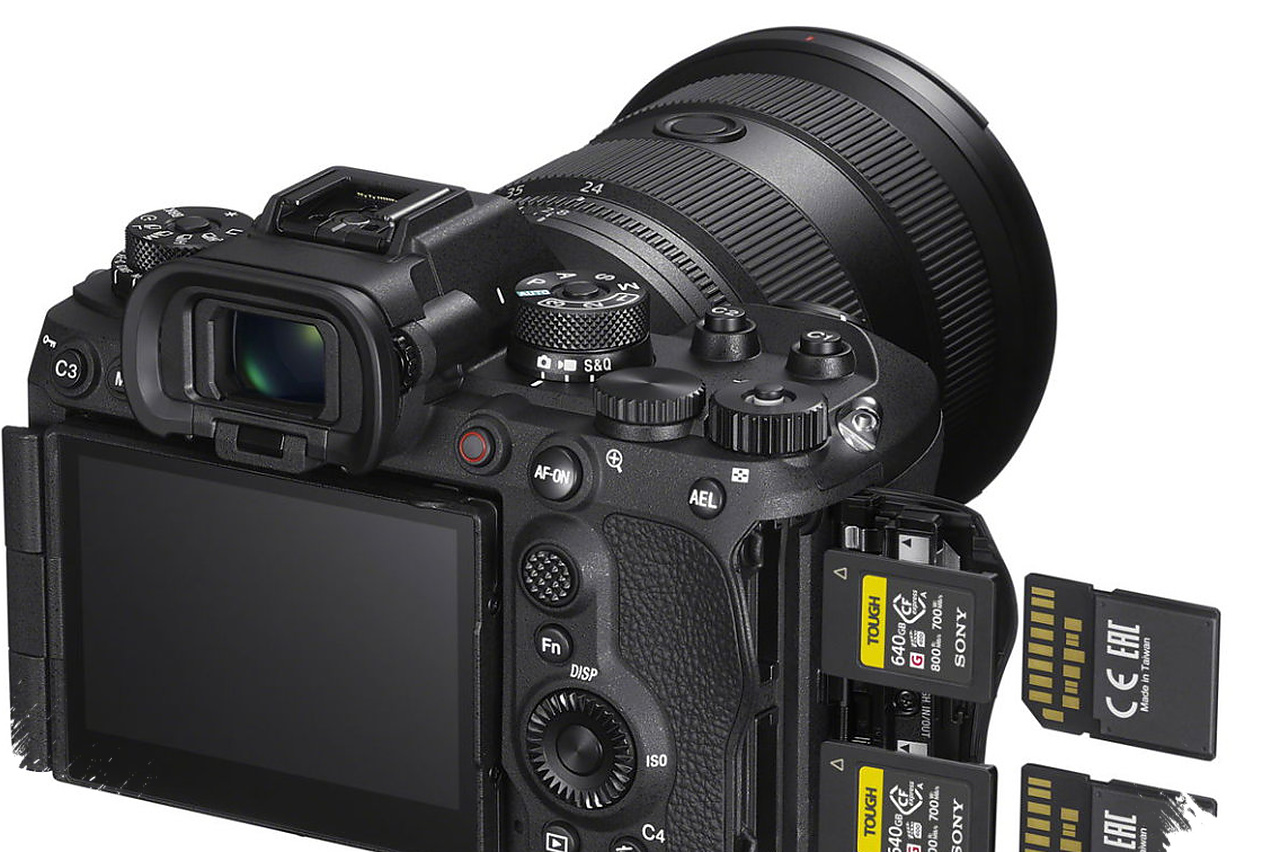
Sony Alpha 9 III is drawing attention because it brings global shutter technology into a full-frame body, a development that changes how professional cameras handle motion. The feature is being viewed as a major step in mirrorless imaging because it aims to solve one of the most persistent problems in fast-action photography: rolling shutter distortion.
At its core, the difference comes from the sensor readout method. Global shutter captures the entire frame at once, while rolling shutter scans the image line by line from top to bottom, which can cause warped shapes when subjects move quickly.
Why rolling shutter matters in real-world shooting
Rolling shutter becomes most noticeable when motion is abrupt and unpredictable. Straight lines can appear tilted, moving objects can look broken, and the original shape of a fast subject can be distorted in the final image.
That issue becomes even more visible when photographers work with athletes, wildlife, or sudden movement passing across the frame. In some situations, similar distortion can also appear under artificial lighting, which adds another challenge for professional use.
Sony positions the Alpha 9 III as a camera built to reduce those risks through simultaneous sensor readout. The goal is to produce cleaner and more accurate captures when timing matters and the subject is not staying still.
Built for rapid professional work
The Alpha 9 III is intended for photography fields that demand speed and precision. Sports, wildlife, journalism, and action shooting are among the areas where the camera is expected to be most useful.
Those kinds of assignments often leave no room for delay, because the decisive moment can disappear in an instant. Continuous high-speed shooting without blackout becomes an important advantage in that environment.
That capability helps photographers keep tracking the action without losing visual information between frames. For fast-moving subjects, reducing the chance of missing the critical shot can matter as much as raw burst speed.
Autofocus designed to keep up
Speed alone does not solve everything, which is why the autofocus system is a central part of the Alpha 9 III’s appeal. Sony equips the camera with AI-based tracking that can identify and follow people, animals, and birds with high accuracy.
This matters because fast shooting is only useful when focus remains dependable. When a subject changes direction suddenly, responsive tracking helps keep the main subject locked in place instead of drifting away from the focus point.
That combination of fast capture and consistent tracking is what makes the camera relevant in demanding field conditions. For professional users, maintaining focus while the subject moves unpredictably can be just as important as eliminating shutter distortion.
A DSLR-style working body in a mirrorless format
Sony keeps the Alpha 9 III aligned with the familiar ergonomic approach of the Alpha line. The body is built to be durable, weather-resistant, and easy to operate when the pace of work is high.
Professional control layouts, a high-resolution viewfinder, and an optimized cooling system support longer shooting sessions. These details help keep the camera practical for extended assignments where equipment stability matters.
The design also reinforces its position as a tool for serious production work rather than casual use. In fast-paced visual workflows, access to controls and dependable handling can affect how efficiently a photographer or videographer works on location.
Video use also remains part of the package
Sony does not position the Alpha 9 III as a stills-only camera. It is also prepared for professional video needs, including high-quality recording with accurate color, wide dynamic range, and minimal motion distortion.
That makes the model relevant for filmmakers, content creators, and production teams that need a compact body without giving up performance. For mobile field work, that balance can be a practical advantage.
The broader significance of the Alpha 9 III lies in how it pushes sensor innovation into a space long dominated by rolling shutter limitations. By introducing global shutter in a full-frame camera, Sony offers a different approach to professional imaging that focuses on cleaner motion handling, faster response, and dependable results in demanding photo and video work.