


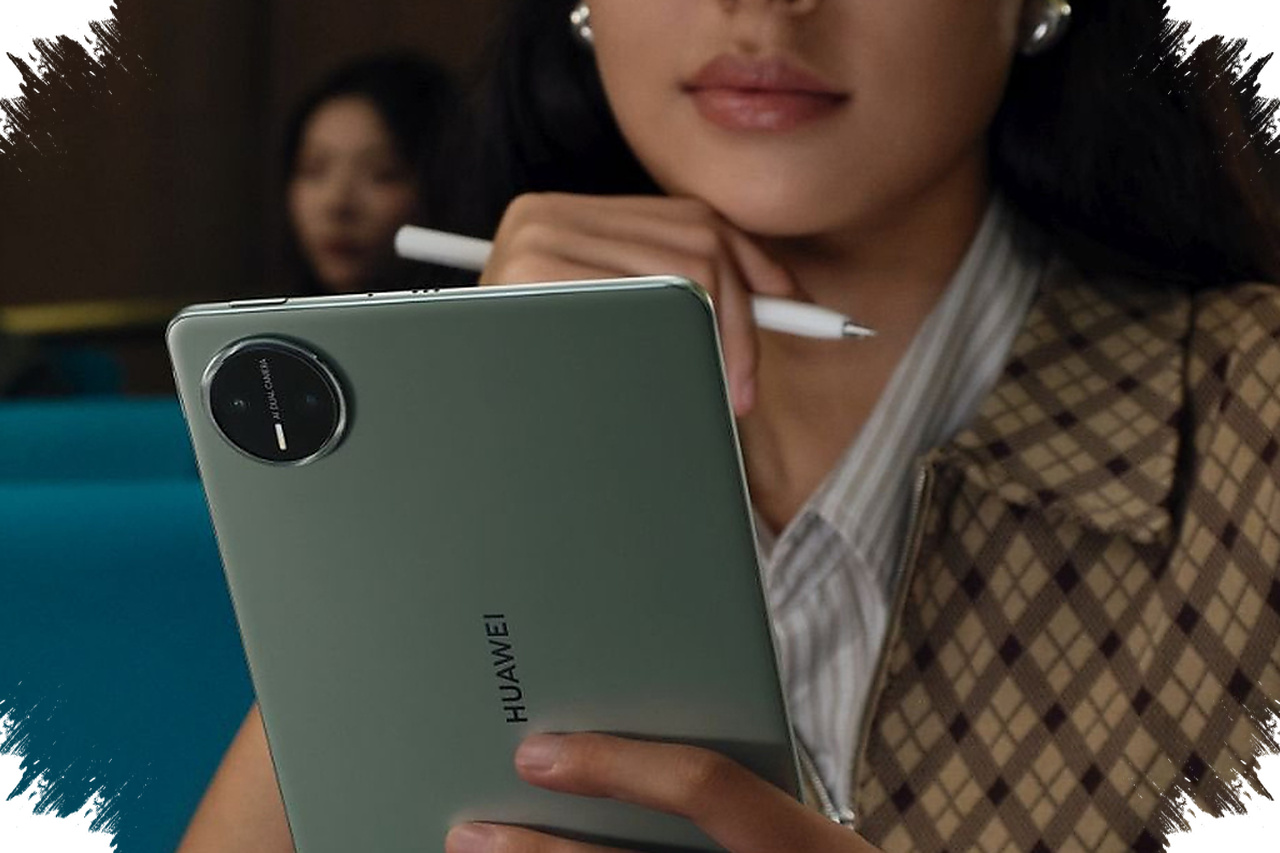
Huawei MatePad Mini 2 is emerging as one of the more closely watched compact tablet rumors, mainly because it appears to double down on portability rather than chase a larger-screen formula. Early leaks point to a thinner body, slimmer bezels, and a design direction that keeps the tablet small while making the display feel more expansive.
That approach positions the device as a successor to the MatePad Mini, with a clear emphasis on users who want a lightweight companion for reading, light productivity, and quick on-the-go interaction. If the leaked details prove accurate, Huawei seems intent on strengthening its place in the small-tablet segment at a time when portable devices remain relevant for tasks that phones do not handle as comfortably.
A thinner frame is the main attraction
Among the reported changes, the most noticeable one is the body design. Huawei is said to have reduced the thickness while tightening the bezels, a combination that should make the screen area feel larger without significantly increasing the tablet’s overall footprint.
That kind of tuning often matters most in daily use. A lighter device is easier to hold with one hand, especially when the tablet is used for reading e-books, reviewing documents, or switching between apps while moving around.
A compact display with a smoother feel
The screen itself is still unconfirmed, but the leak suggests a panel in the 8.7-inch to 9-inch range. It is also expected to use either OLED or LCD technology with a 120Hz refresh rate, which would place the tablet in a familiar but very practical category for compact devices.
A high refresh rate is not only a spec for benchmark charts. It usually makes scrolling, menu navigation, and visual transitions feel more fluid, which can be especially useful on a smaller screen where responsiveness matters just as much as size.
Kirin chip and HarmonyOS remain the leading possibilities
On the internal side, the tablet is reportedly lined up with a newer Kirin-series chipset, although the exact model has not been verified. The software picture is also still based on leaks, with HarmonyOS 4.2 or a newer version mentioned as the likely operating system.
Other rumored features include Wi-Fi 6, Bluetooth 5.2, and support for the M-Pencil stylus. If those pieces arrive together, the MatePad Mini 2 would not just be compact, but also capable of handling quick note-taking and light creative or productivity work.
Who the tablet is likely aimed at
The leaked profile suggests a clear audience: users who want a secondary device rather than a laptop replacement. That usually includes readers, commuters, and people who need a practical screen for annotations, reference material, or content access between other tasks.
Huawei’s Super Device integration may also add value for those already using the brand’s ecosystem. In that scenario, moving tasks between devices could feel more seamless, which is often an important selling point for users who already rely on Huawei phones or accessories.
Still missing are the details that matter most
Despite the growing interest, several important questions remain unanswered. There is still no official pricing, and availability for Indonesia has not been confirmed, so the market picture remains incomplete.
The app situation also deserves attention. The circulating information indicates that the device may still rely on AppGallery and may not include Google Play Services by default, which means some users will need to think carefully about app compatibility before considering a purchase.
What the leaks suggest so far
So far, the MatePad Mini 2 looks designed around a simple idea: keep the tablet small, but improve the feel of the display and the comfort of everyday use. The rumored thinner chassis, narrower bezels, 120Hz screen, and stylus support all point in that direction.
The remaining unknowns, especially battery room and software flexibility, will likely shape how practical the tablet feels in real use. For now, Huawei’s compact tablet is emerging as a promising option for users who prioritize mobility, screen comfort, and light productivity in one portable device.